


BY MBONO MDLULI
MBABANE– Eswatini’s government has demonstrated strong fiscal discipline in the first half of the 2025/26 financial year, setting the stage for sustainable economic growth.
Total recurrent expenditure, excluding interest payments, stood at E10.1 billion, representing 45% of the approved recurrent budget, a level slightly below the half-year mark.
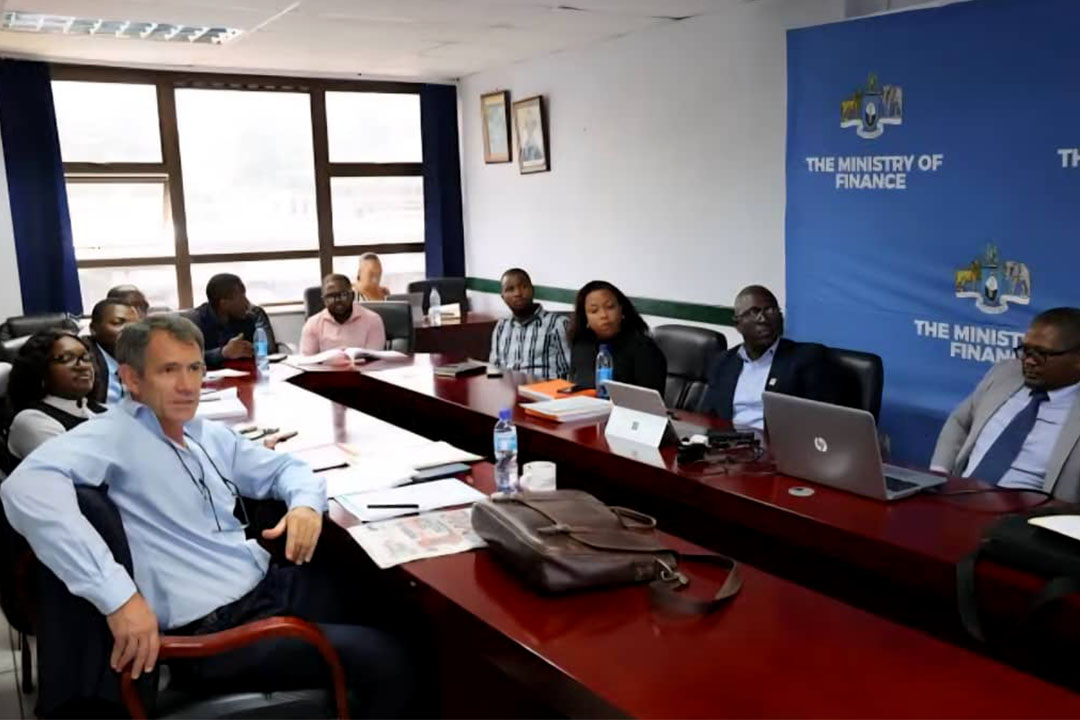
According to the Ministry of Finance’s Quarter Two Budget Outturn Report, this achievement reflects the Budget Department’s continued efforts to restore fiscal discipline and safeguard macroeconomic stability.
Balanced Spending Across Key Sectors

During the reporting period, the government released E11.2 billion for recurrent spending and E2.98 billion for government-financed capital projects. These figures account for 34.2% and 9.1% of the total appropriated budget, respectively.
The Ministry of Economic Planning and Development led in expenditure, utilizing 81% of its allocation. It was closely followed by the Ministry of Home Affairs at 79%, and the Ministry of Public Works and Transport at 74%. The Royal Eswatini Police Service and the Ministry of National Defence and Security also recorded notable spending levels of 70% and 56%, respectively.
Education and Health Maintain Strong Investment
Education remains a major government priority. The Ministry of Education and Training spent 48% of its budget, over E2 billion—while the Ministry of Health used 44% of its E2.8 billion allocation, driven mainly by personnel and medical supply costs.
Parliament recorded 52% expenditure, while the Ministry of Foreign Affairs and International Cooperation showed the lowest spending level at 20%, reflecting prudent prioritization of resources.
Expenditure Control Remains Firm
A breakdown by control item revealed that personnel costs continue to dominate spending, accounting for E4.55 billion or 52% of the recurrent budget. Travel costs stood at 68%, while consumables and professional services reached 56% and 49%, respectively.
The Ministry of Finance emphasized that these spending patterns align with efforts to manage recurrent costs efficiently and ensure that public funds directly support national development goals.
Reforms Reinforce Fiscal Stability
“The Budget Department continues to strive in re-establishing fiscal discipline, which remains key to macroeconomic sustainability,” the report noted.
Government reiterated its commitment to implementing fiscal reforms, strengthening monitoring mechanisms, and prioritizing growth-oriented spending. These measures are designed to maintain stability while supporting economic and social development initiatives across the Kingdom.
Budget and Economic Affairs Department: Key Objectives
- Provide a sound regulatory framework for public finance management.
- Maintain fiscal discipline through effective financial planning and advice.
- Ensure efficient allocation of resources aligned with national priorities.
- Monitor budget implementation and evaluate performance regularly.
(Courtesy Pic)