BY NONCEDO SHABANGU
MBABANE – A strong delegation from Eswatini is participating in the SADC Capacity Building Training on the International Code of Marketing for Breast Milk Substitutes, which runs from 22 to 25 September 2025 in Swakopmund, Namibia. The meeting is designed to help member states put in place effective regulations, policies, and guidelines to monitor the marketing of breast milk substitutes.
The ultimate goal is to ensure that substitute products are not promoted in ways that undermine breastfeeding, thereby supporting improved child nutrition across the region.
Day one of the programme introduced participants to two central areas of focus: understanding the provisions of the Code itself and exploring practical steps towards developing firm national laws that can uphold its standards.
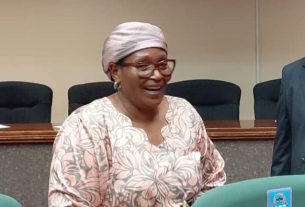
Eswatini’s team reflects a multi disciplinary approach, with representatives drawn from the Ministry of Health, the Eswatini National Nutrition Council, World Vision, and UNICEF Eswatini. Their collective presence underscores the country’s commitment to advancing breastfeeding as the cornerstone of infant health and development.

According to national data shared at the training, Eswatini still faces challenges in complementary feeding and child nutrition. Only 14.4 percent of children meet the minimum acceptable diet, while dietary diversity is at 30 percent and meal frequency at 58.5 percent. For infants aged 6–8 months, 95.2 percent receive solid, semi solid, or soft foods.
A snapshot of infant and young child nutrition shows that stunting remains at 20 percent, underweight at 5 percent, wasting at 1.8 percent, and overweight at 12.5 percent. These figures highlight the importance of strengthening breastfeeding practices and ensuring appropriate complementary feeding.
To address these issues, Eswatini has committed to several action plans, including finalising food-based dietary guidelines, updating complementary feeding guidelines, developing Code regulations, and monitoring enforcement. The country will also conduct legal landscape analysis and Baby-Friendly Hospital Initiative (BFHI) assessments to strengthen child nutrition and protection measures.
Breastfeeding is globally recognised as one of the most effective ways to safeguard the health and survival of infants. According to the World Health Organization, children who are exclusively breastfed for the first six months of life have stronger immunity, fewer infections, and improved growth outcomes compared to those who are not.
Across the SADC region, governments are intensifying efforts to promote breastfeeding as a public health priority. This includes community awareness campaigns, health worker training, and the adoption of supportive workplace policies that make it easier for mothers to continue breastfeeding after returning to work.
( Courtesy Pic)