



BY MFANUFIKILE KHATHWANE
MBABANE – Eswatini’s diplomatically Taiwan, President Lai Ching-te says Taiwan is ready to contribute more to global healthcare systems, disease prevention and medical innovation if granted membership in the World Health Organization (WHO).
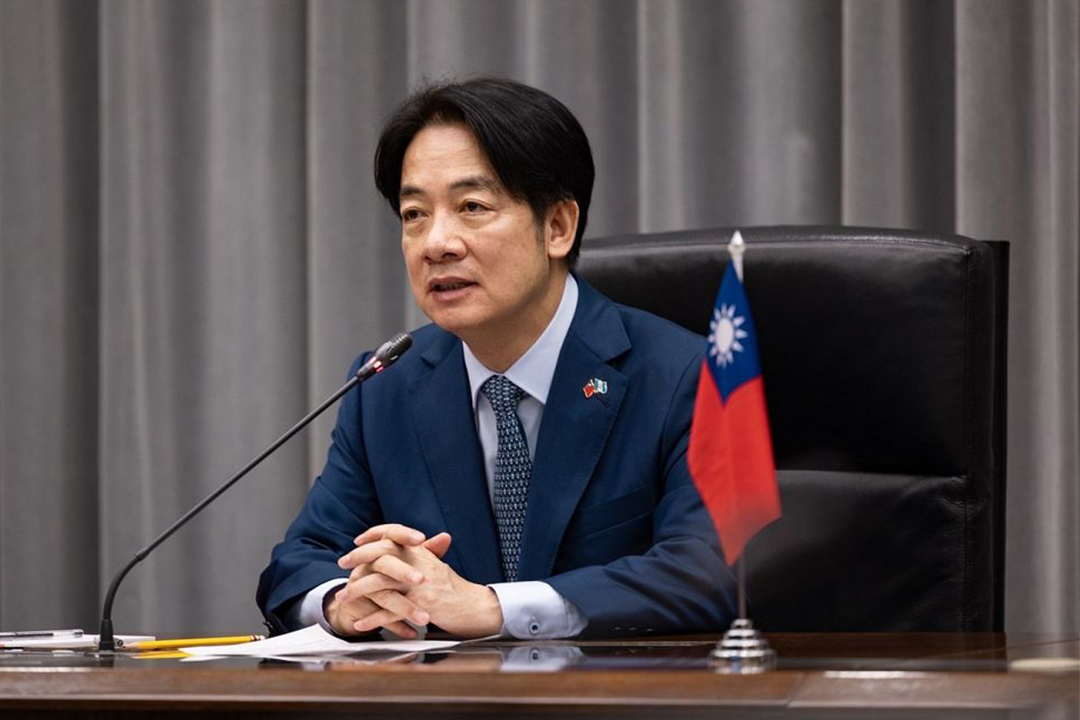
The President was quoted on a video aired by Focus Taiwan on May 18, 2026 during the Taiwan Global Health Forum Series, which coincided with the 79th World Health Assembly (WHA).
Taiwan, one of Eswatini’s closest diplomatic allies, said it possesses valuable medical experience and advanced health technology that could strengthen international cooperation in addressing emerging global health challenges.
“Our world is seeing many profound changes. Technology is developing fast, populations are aging, and new infectious diseases continue to emerge. Therefore, we bear greater responsibilities than ever before,” Lai said.

The Taiwanese leader, who is the country’s first president with a medical background, said he was eager to work with global partners to build what he described as a “Healthy Taiwan.”
Lai said Taiwan was prepared to share its expertise in three major areas discussed during the forum, namely digital health and artificial intelligence (AI) governance, cancer policy and innovation, and the elimination of hepatitis C.
He said digital health and AI were rapidly transforming healthcare systems around the world and Taiwan was building a governance framework to ensure medical AI remains safe, effective and trustworthy.
“Taiwan’s booming digital health industry will keep driving innovation. With tools like medical AI and robotics, and even the medical metaverse, we can enhance precision health and quality of care in every way,” Lai said.
On cancer treatment, Lai said Taiwan was strengthening prevention and treatment through early screening, precision medicine and improved access to innovative therapies.
He added that Taiwan had established a fund for new cancer drugs while also updating the National Health Insurance (NHI) system to ensure affordable, timely and high-quality healthcare services for patients.
Lai further highlighted Taiwan’s success in eliminating hepatitis C five years ahead of the WHO’s 2030 target, crediting strong governance and the NHI system for integrating screening, treatment and prevention into one strategy.
He said Taiwan intended to share its experiences with international partners while also learning from other countries, stressing that global cooperation remained essential in tackling future health challenges.
“By joining the WHO, Taiwan could better ensure the right to health for all our people, and do even more to support the rest of the world,” Lai said.
#WorldHealthAssembly #TaiwanWHO #HealthInnovation #DigitalHealth


