



… New Bill targets copper thieves and infrastructure vandals with tougher penalties.
… Eswatini Telecommunications loses over E300 million to theft and vandalism.
… Govt says stronger laws will protect essential services and drive national development.
BY MFANUFIKILE KHATHWANE
EZULWINI– Individuals convicted of vandalising or stealing critical government infrastructure could face hefty fines ranging from E500 000 to E5 million under the proposed Critical Infrastructure Protection Bill of 2025, as government intensifies efforts to safeguard national assets and essential services.

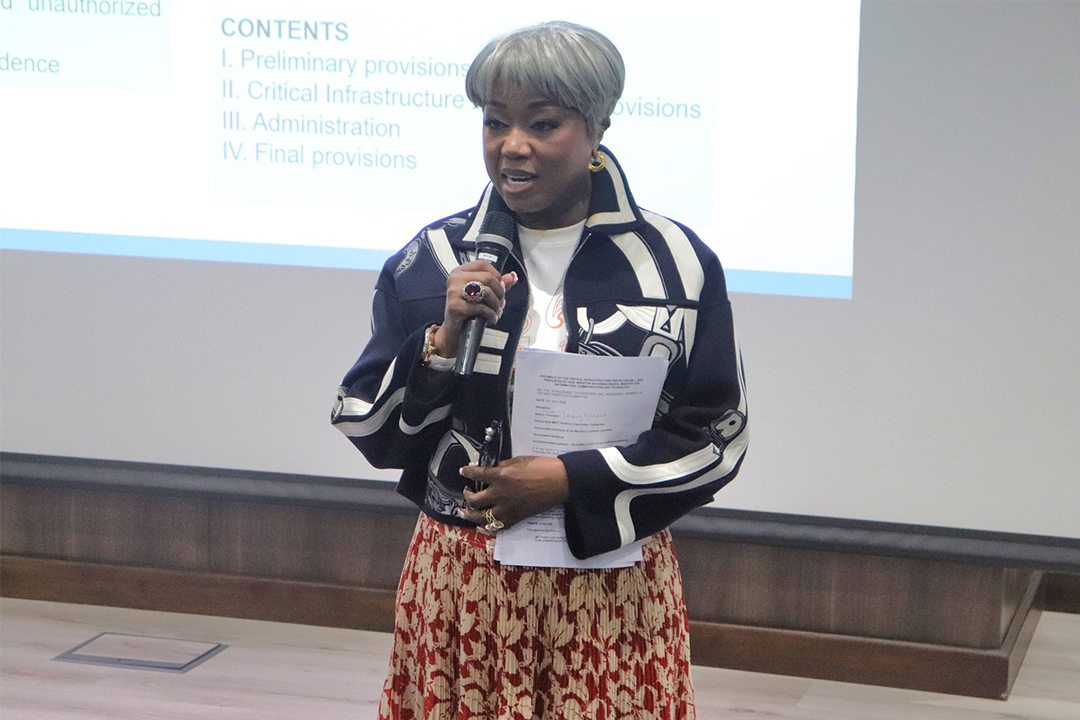
The proposed legislation was unveiled by Information, Communications and Technology Minister Senator Savannah Maziya during a capacity-building workshop for senators held at the Eswatini Water Services Corporation Auditorium in Ezulwini. The workshop focused on strengthening the protection and resilience of critical infrastructure that supports economic growth, public services and national development.
Maziya said the Bill is designed to curb rising incidents of infrastructure theft and vandalism, which continue to undermine development projects, disrupt service delivery and impose significant financial burdens on both government and businesses.
According to the Minister, the Eswatini Electricity Company (EEC) loses more than E2 million annually due to copper theft, while Eswatini Telecommunications has suffered losses exceeding E300 million from vandalism and theft of infrastructure over time. These losses divert resources that could otherwise be invested in expanding services and improving the quality of life for emaSwati.
“Such criminal activities undermine the country’s development agenda and slow progress towards achieving first-world status,” Maziya said. She added that the proposed law would provide stronger legal mechanisms to combat theft, unlawful destruction and illegal possession of strategic infrastructure materials and equipment.
The workshop brought together members of the Senate Portfolio Committee, government officials and sector experts to explore practical measures for protecting essential national systems in an increasingly digital and interconnected world. Discussions also centred on building a robust legal and policy framework capable of responding to emerging threats while supporting innovation and economic expansion.
Senate President Lindiwe Dlamini described infrastructure vandalism and theft as a national disaster, highlighting the widespread impact of copper theft on communities and public services across the country.
Meanwhile, Senator Chief Prince Mphatfwa suggested that those involved in copper theft may possess specialised technical knowledge, noting that handling electrical infrastructure without expertise poses serious safety risks.
If enacted, the proposed Bill is expected to strengthen the protection of strategic national assets, reduce costly disruptions and help create a safer environment for investment, service delivery and sustainable development in Eswatini.
(Courtesy Pic)