


BY SIFISO NHLABATSI
MBABANE – Eswatini’s debt position remains within manageable levels as government continues to maintain fiscal stability while addressing outstanding supplier payments through strategic funding interventions.
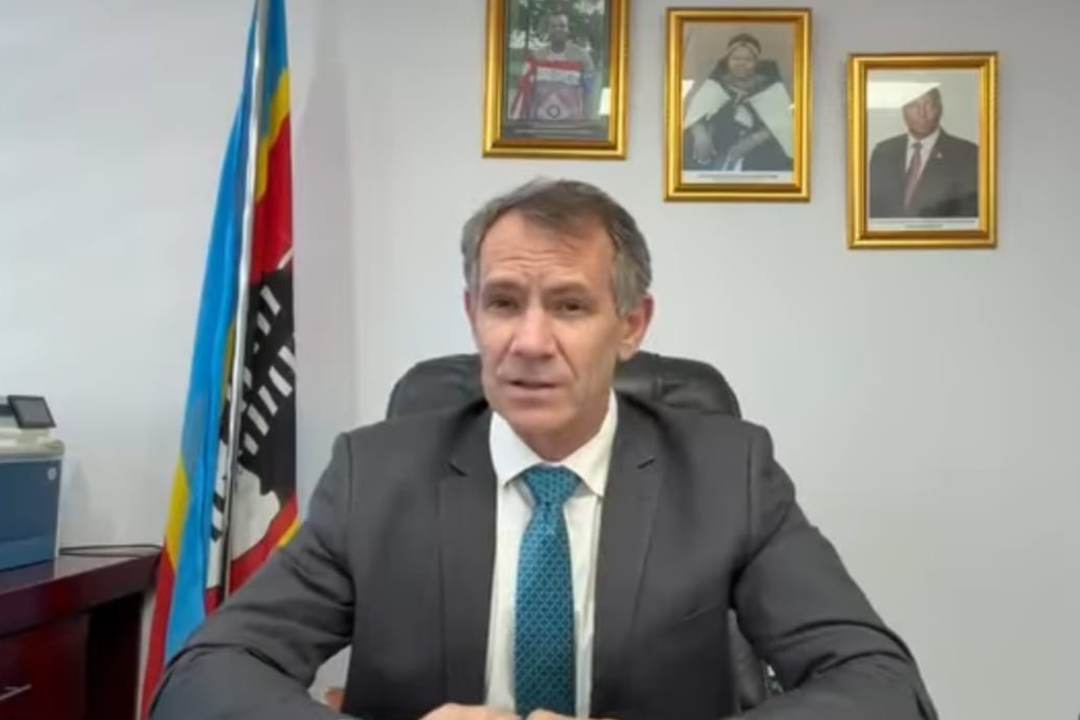
The Minister of Finance Neal Rijkenberg has moved to reassure the nation that although government continues to borrow to meet its obligations the country remains in a safe financial position with its debt-to-GDP ratio currently standing at 45 percent.
Speaking during his latest Finance in Focus update the minister said Eswatini was carefully managing its borrowing levels while ensuring that debt remained sustainable and supportive of economic growth.
He said the country’s debt ratio remained below the levels experienced by many countries on the continent and was also within the limits recommended by regional partners.

“As a country we are on 45 percent debt-to-GDP. From that perspective we are still in semi-safe territory and we would actually like to keep it that way as a country,” the minister said.
He explained that government’s approach was to maintain a conservative debt position which would continue to strengthen confidence among international lenders and investors.
According to the minister a responsible debt position allows government to access funding when required while ensuring that borrowing costs remain affordable.
“As a country if we are seen as conservative it means that all the banks in the world are wanting to loan money to Eswatini and they want to try and maintain that so that the private sector can thrive parastatals can thrive and government can continue to loan money when they need money,” he said.
The minister highlighted that Eswatini’s foreign debt position remained favourable as the country does not have commercial debt with international entities.
He said Eswatini was among the few countries on the continent where all foreign debt was concessional which helped reduce pressure when repaying loans.
“We are one of the very few countries on the continent that all of our foreign debt is concessional debt and so we manage to maintain that and that stands us in good stead when it comes to repaying our debt,” he said.
Meanwhile government has continued working to improve its financial obligations to suppliers with the minister revealing that payments amounting to about E500 million were made over month-end.
He said the payments demonstrated government’s commitment towards supporting businesses that provide goods and services to the public sector.
“Currently over month-end we managed to pay about half a billion Emalangeni’s worth of suppliers,” he said.
The minister however noted that supplier payments remained an ongoing process as new invoices continue to be submitted.
“Unfortunately you pay suppliers and more payments come through. It is a constant rolling of suppliers,” he said.
He said the current situation was improving and government was not significantly behind in settling supplier obligations.
“At the moment we are semi-healthy from a suppliers’ perspective. We are not that far behind,” he said.
The minister added that government was working on raising additional funding to strengthen its ability to settle outstanding supplier payments and support the implementation of capital projects.
He said some projects had experienced delays due to cash flow challenges but the planned funding would assist in bringing them back on track.
“We are busy trying to raise funding as we speak to actually again try and get suppliers fully under control as well as our capital projects,” he said.
The minister’s remarks come amid public discussions around government debt levels following reports suggesting that the country’s borrowing could be increasing.
He clarified that borrowing was part of normal government financial management as countries continue to borrow and repay loans as part of their development strategies.
Eswatini’s debt management approach remains focused on maintaining stability while ensuring that government can continue financing essential services and development programmes.
The minister also highlighted that regional comparisons showed Eswatini remained below the average debt burden on the African continent which currently stands at about 66 percent debt-to-GDP.
SADC countries have recommended that member states should avoid exceeding a 60 percent debt-to-GDP ratio.
#FinanceInFocus #EswatiniEconomy #DebtManagement #FiscalStability #PublicFinance #EconomicGrowth #SupplierPayments #BuildingEswatini #PositiveNewsEswatini