



BY GCWALISILE MHaLABANE
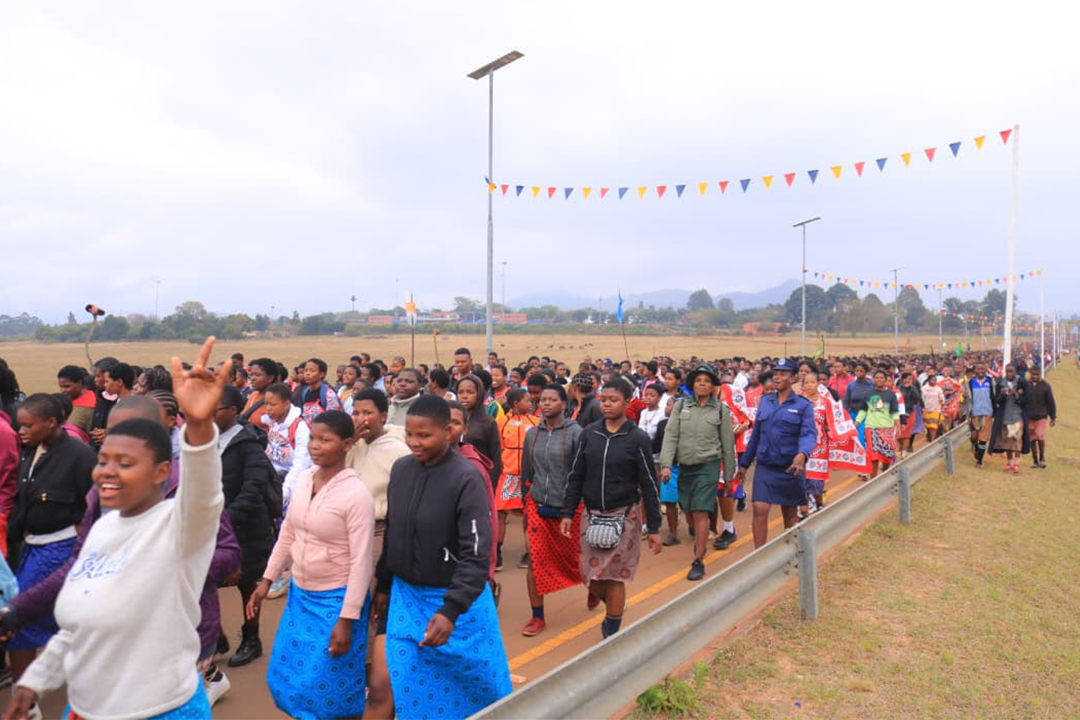
NGABEZWENI – As Umhlanga 2026 gathers momentum, a team of trained young peer educators is ready to take vital health and social messages to thousands of young people participating in the annual Reed Dance Ceremony.
The peer educators underwent a three-day intensive training programme from August 18 to 20, 2026, at Caritas in Manzini, where they were equipped with knowledge and practical skills to promote HIV prevention, sexual and reproductive health and rights (SRHR), adolescent health and gender-based violence (GBV) awareness.
The training was designed to create a multiplier effect. Rather than keeping the knowledge gained within the training group, the trained peer educators will use a peer-to-peer approach to educate and train other young people during Umhlanga 2026.
This means the information shared during the three-day programme will reach a much wider audience as the peer educators engage their fellow young people throughout the ceremony.
The programme strengthened participants’ communication, leadership and teamwork skills, preparing them to become confident educators and positive role models within their communities.
Through interactive role plays, the young leaders also had an opportunity to practise peer-to-peer engagement and build confidence in discussing sensitive issues in a respectful, informed and supportive manner.
The training covered key areas affecting young people, including HIV prevention, adolescent health, GBV, rights and decision-making. These areas are expected to form part of the peer education activities during Umhlanga.
Participants were further equipped with tools for monitoring and reporting peer activities, helping ensure that their engagements are properly documented and that the reach and impact of the programme can be assessed.
With thousands of Imbali coming together for Umhlanga, the peer educators are expected to provide an important platform for young people to access relevant information, ask questions and engage in conversations about issues that directly affect their wellbeing.
The peer-to-peer model is particularly important because it allows young people to learn from fellow young people, creating an environment where conversations around HIV, sexual health, GBV and personal decision-making can be approached openly and responsibly.
The commitment displayed during the training demonstrated the readiness of the young leaders to take their newly acquired skills beyond the classroom and into the Umhlanga environment.
The initiative received support from Khulisa Umntfwana officers, the Ministry of Health, the National Emergency Response Council on HIV and AIDS (NERCHA), SWAGAA, UNFPA Eswatini and HER Voice Fund, alongside all participants who contributed to the success of the programme.
As the Reed Dance Ceremony continues, the trained peer educators will be expected to engage, educate and empower their fellow young people, while encouraging informed choices and greater awareness around HIV prevention, SRHR, GBV, rights and adolescent health.
The programme demonstrates the power of investing in young leaders. By equipping a group of young people with knowledge and practical skills, that knowledge can be multiplied as they reach and train others.
Now, with Umhlanga 2026 underway, the peer educators are ready to move from training to action — taking health awareness directly to their peers and helping create a safer, healthier and more informed generation.
#Umhlanga2026 #YouthEmpowerment #PeerEducation #HIVPrevention #SRHR #EndGBV #SBCC #Eswatini