


BY THEMBA ZWANE
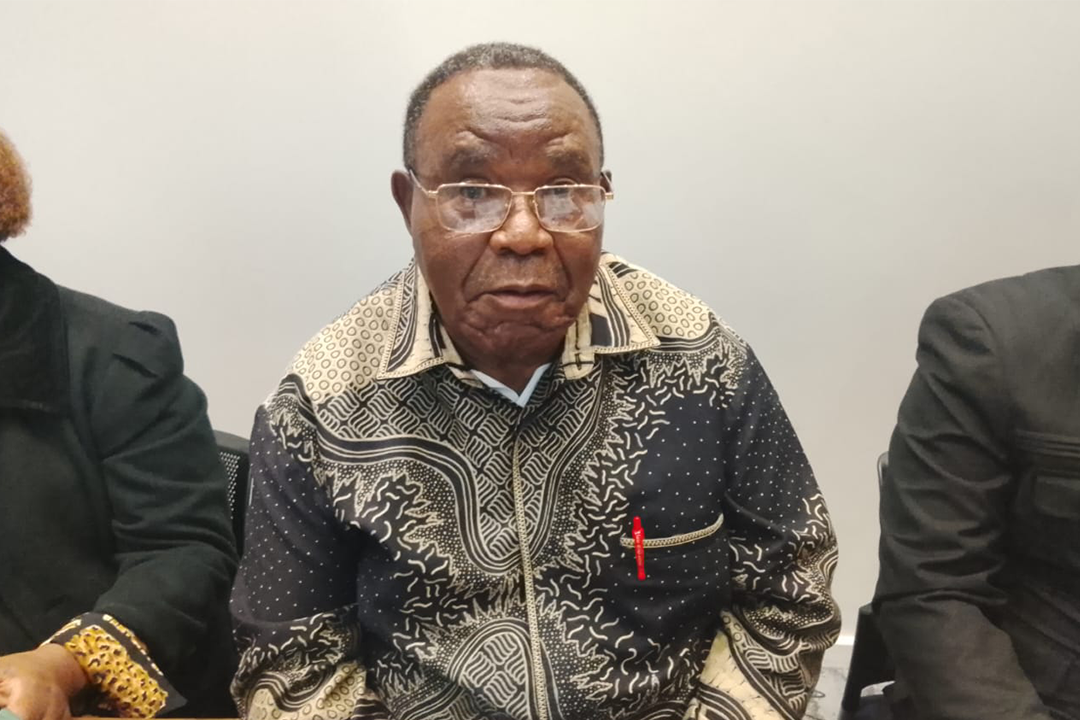
MBABANE – The proposed new whistle-blower protection law could extend protection to people who expose cybercrime, commonly known in Eswatini as ‘bofacata’, following a call by the Ministry of Justice and Constitutional Affairs, House of Senate Portfolio Committee Chairperson Senator Isaac Magagula.
Magagula made the proposal during a three-day workshop aimed at developing a comprehensive framework for the protection of whistle-blowers in Eswatini.
The workshop, taking place at the Hilton Garden Inn from September 8 to 10, 2026, has been convened by the Ministry of Justice and Constitutional Affairs as government moves towards developing a new framework that will protect people who report criminal activities, particularly corruption.
Magagula was invited to the workshop in his capacity as the Ministry of Justice and Constitutional Affairs House of Senate Portfolio Committee Chairperson, giving him an opportunity to contribute to discussions on the proposed framework.

In his contribution, the senator argued that whistle-blowers who expose cybercrime should not be left outside the protection of the proposed legislation.
“In this newly developed legislation, whistle-blowers of cyber crime, commonly known as ‘bofacata’ should be protected under this proposed law. The issue of cyber crime is increasingly becoming problematic in Eswatini and whistle-blowers need protection under the new law.”
His intervention places cybercrime among the criminal activities that stakeholders believe should be covered by the country’s future whistle-blower protection framework.
Magagula also raised concern over the need for a clear distinction between a whistle-blower and a witness under the proposed legislation.
The senator cautioned that the definitions must be sufficiently clear and distinct to prevent potential confusion in criminal proceedings. He raised concern that some people who may be required to appear in court as State witnesses could potentially refuse to testify by attempting to classify themselves as whistle-blowers and rely on protections provided under the new law.
Magagula’s concern was that if the two categories are not clearly distinguished in the legislation, the proposed whistle-blower protection framework could unintentionally create a loophole where a person who is required to testify in court could seek to avoid that obligation by declaring themselves a whistle-blower rather than a witness.
The senator therefore called for clarity in the formation of the framework so that whistle-blower protections do not undermine the criminal justice process or interfere with the obligation of witnesses to assist the courts in determining criminal cases.
The workshop is bringing together national stakeholders to examine how whistle-blowers can safely report wrongdoing while being protected from retaliation, intimidation or other consequences arising from their disclosures.
The process is also informed by the United Nations Office on Drugs and Crime (UNODC) Practical Toolkit for Developing Whistle-blower Protection Frameworks, with participants expected to consider international standards and good practices while developing a system suitable for Eswatini.
Among the workshop’s objectives is an assessment of Eswatini’s existing legal and institutional framework relating to whistle-blower protection, with stakeholders expected to collectively identify legislative and policy gaps.
The discussions are also intended to determine the key elements of a whistle-blower protection framework that responds to Eswatini’s legal, institutional and socio-cultural context.
Technical drafting guidance is being provided to assist in developing possible provisions for a comprehensive whistle-blower protection system aligned with the United Nations Convention against Corruption (UNCAC) and international good practices.
Magagula’s call therefore brings the increasingly problematic issue of cybercrime into the broader debate on how Eswatini can encourage people to expose criminal conduct without fear of reprisals, while ensuring that the new protection framework does not create unintended obstacles to the administration of justice.
The proposed framework is ultimately expected to strengthen the country’s ability to combat crime by creating stronger safeguards for individuals who come forward with information on wrongdoing.
The inclusion of ‘bofacata’ whistle-blowers in the discussions signals that the proposed legislation could have a broad scope, covering emerging forms of criminal activity alongside more traditional offences such as corruption.
At the same time, Magagula’s intervention on witnesses highlights the importance of carefully drafting the legislation so that whistle-blower protection strengthens the fight against crime without compromising the ability of courts and law-enforcement agencies to secure testimony from witnesses.
#Eswatini #WhistleBlowers #Bofacata #CyberCrime #Cybercrime #Justice #Senate #Corruption #AntiCorruption #RuleOfLaw #UNODC #UNCAC #MinistryOfJustice #CrimePrevention