


BY THEMBA ZWANE
EZULWINI – The Supreme Audit Institution (SAI) of Eswatini, which is the office of the Auditor General (AG), has called for the adoption of a three-pillar accountability model that would bring together Supreme Audit Institutions (SAIs), Parliamentary Accounts Committees (PACs) and civil society in a coordinated effort to ensure that public funds translate into tangible benefits for citizens.
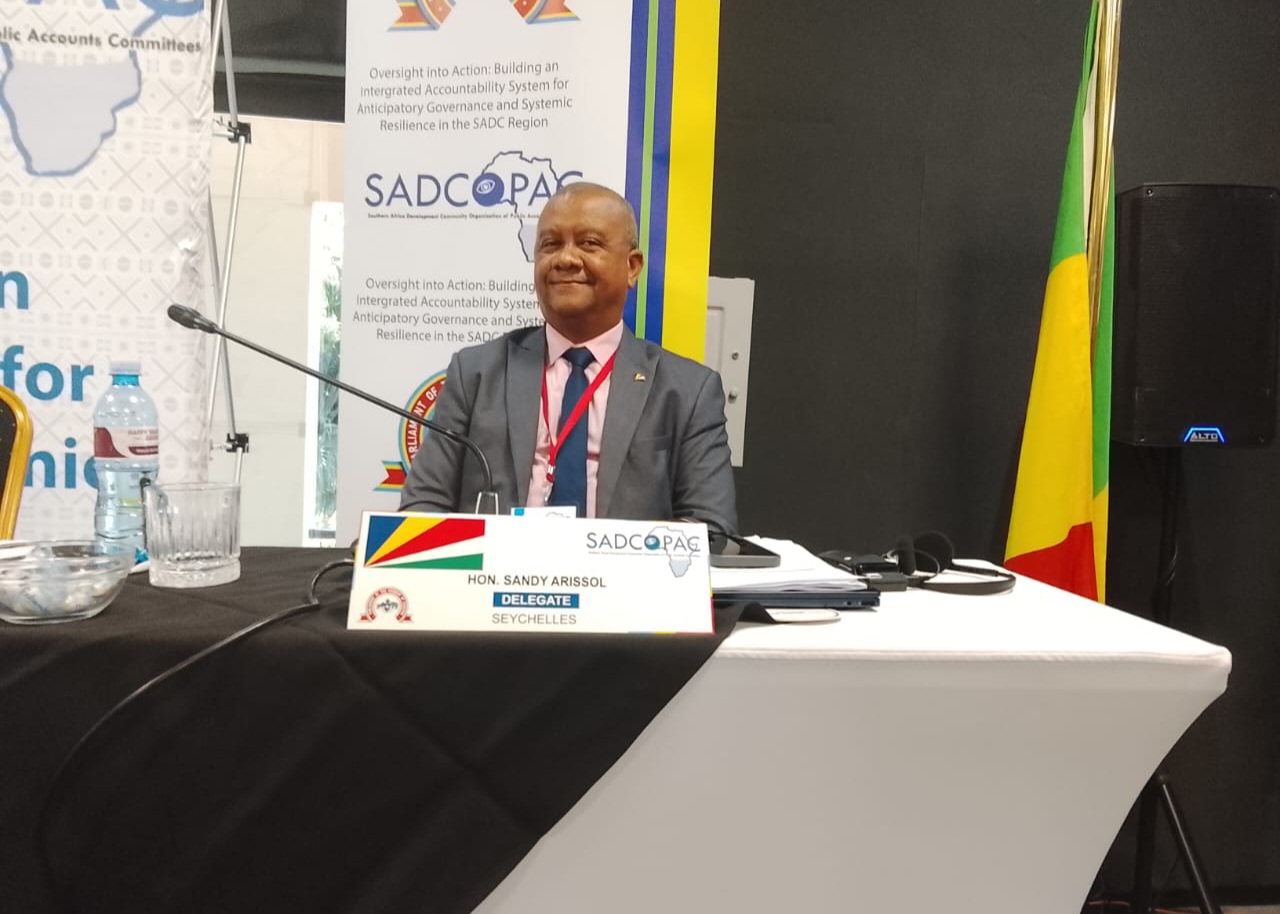
The proposal was presented by Chairperson of Commission 3, Hon. Sandy Arissol of Seychelles, at the Southern African Development Community Organisation of Public Accounts Committees (SADCOPAC) 18th Annual Conference, where delegates focused on strengthening institutional resilience, performance oversight and the wider accountability ecosystem.
The recommendations from the commission are expected to be presented for consideration and adoption at the 22nd SADCOPAC Annual General Meeting (AGM) tomorrow.
“Under the model proposed by SAI Eswatini, SAIs would be responsible for producing clear audit findings and conducting follow-up reviews, PACs would hold responsible officials to account through deadlines and consequences, while civil society would monitor implementation, mobilise citizens and amplify accountability findings,” said Arissol.

The Eswatini position was part of broader deliberations calling for a fundamental shift in public oversight – from simply checking whether procedures have been followed to determining whether public expenditure has produced meaningful outcomes for citizens.
A key question emerging from the commission was whether recommendations arising from audits and parliamentary oversight actually result in corrective action and measurable improvements.
“Civil society representatives from Eswatini stressed that accepting a recommendation or tabling an audit report should not mark the end of the accountability process.”
Instead, the chairperson said, the focus should be on determining whether citizens ultimately benefited and whether that benefit can be demonstrated through credible evidence.
The commission proposed a seven-question citizen-benefit test for major PAC recommendations. These include determining whether a recommendation was accepted, whether responsibility was clearly assigned, whether corrective action was completed, and whether public funds were recovered, protected or safeguarded.
The test would further establish whether the intended service, project or asset was delivered, whether intended beneficiaries received the benefit and whether there is credible evidence that the improvement has been sustained.
“SAI Eswatini also proposed practical measures to strengthen the accountability ecosystem, including public scorecards, citizen surveys, social media campaigns, whistle-blower protection, greater citizen participation in PAC hearings, legal reforms, budget consequences and dedicated PAC tracking secretariats,” he said.
The call comes amid concerns across the region that PAC recommendations are frequently accepted but not fully implemented.
During the commission’s report presentation, it was revealed that, PACs from Botswana and Kenya examined the reasons behind ignored recommendations, identifying weak political accountability, delayed follow-up, inadequate supervision, executive interference, insufficient sanctions and weak parliamentary independence among the challenges.
Kenya reported that only about 22.6 per cent of tracked recommendations had been implemented, highlighting the gap that can exist between identifying problems through oversight and achieving actual corrective action.
Delegates proposed legally mandated implementation frameworks, statutory response deadlines, formal government progress reports and digital platforms capable of tracking the status of recommendations.
Traffic-light systems indicating whether recommendations are completed, in progress or outstanding were also suggested as tools to improve transparency and follow-up.
The commission further considered stronger consequences for persistent or unjustified non-compliance, including possible budgetary measures, surcharge powers and prosecutorial referrals.
However, delegates stressed that genuine difficulties in implementing recommendations should be distinguished from deliberate or repeated failure to act.
The need to bring citizens closer to the accountability process was another major theme of the discussions.
Delegates supported public hearings, media involvement, civil society participation and site visits as mechanisms for verifying whether publicly funded projects and assets exist, have been completed, are being used and are serving their intended purposes.
SAI South Africa shared its experience of an accountability ecosystem centred on citizens, with stronger parliamentary oversight, professional bodies, media, civil society and audit evidence increasing pressure on ministries and municipalities.
The commission also considered the importance of strengthening the capacity of PACs themselves.
Structured induction programmes, continuous training, peer learning and benchmarking were proposed to ensure that committee members are better equipped to scrutinise audit reports, question controlling officers and follow up recommendations.
Namibia proposed the creation of a regional SADCOPAC digital knowledge hub to preserve institutional knowledge and provide access to laws, committee records, case studies, training materials and best practices.
The proposed platform could also incorporate a secure AI-supported search function, while a SADCOPAC alumni and experts network was suggested to support mentoring and knowledge transfer.
The commission’s recommendations ultimately called for stronger collaboration among SAIs, PACs, civil society organisations, the media and citizens to ensure that audit findings and PAC recommendations lead to concrete corrective action.
They also called for systematic PAC follow-up mechanisms, clearly assigned responsibilities, measurable outcomes, deadlines and regular government progress reports.
The recommendations further seek to promote value-for-money and outcome-based oversight by examining cost, quality, time, delivery and beneficiary impact rather than focusing solely on procedural compliance.
Strengthening public communication, improving the accessibility of audit and PAC reports, protecting whistle-blowers and considering stronger legal and institutional powers for PACs were also among the recommendations.
The proposals will now move to the next stage of the SADCOPAC process, with resolutions arising from the Commission 3 recommendations expected to be considered at tomorrow’s 22nd Annual General Meeting.
If adopted, the three-pillar approach advocated by SAI Eswatini would place greater emphasis on ensuring that the accountability chain does not end with an audit finding or parliamentary recommendation, but continues until corrective action is implemented and citizens can see and experience the benefit.
#SAI #AGOffice #Eswatini #SADC #Recommendations #AGM #Resolutions