


BY LINDELWA MYENI
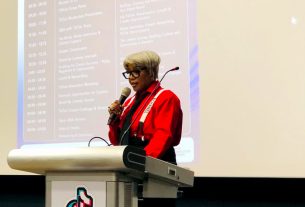
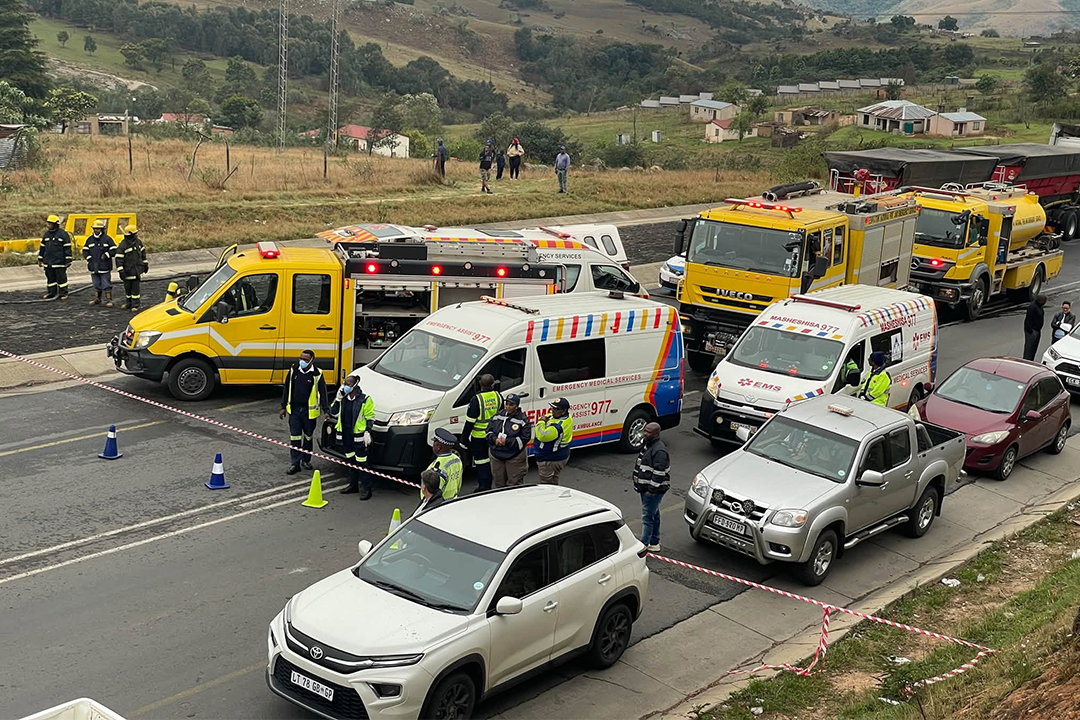
MBABANE – The Ministry of Public Works and Transport (MoPWT), through its Road Transportation Department (RTD), last Friday conducted a dangerous goods Incident Management Simulation along the N17 near the Ngwenya–Oshoek border to test the readiness of emergency agencies to protect motorists, passengers and nearby communities through a faster, coordinated cross-border response.
The exercise brought together the RTD, Eswatini’s Emergency Medical Services (EMS), Fire Service, Royal Eswatini Police Service (REPS) and Road Safety Unit to strengthen coordination when responding to road incidents, particularly those involving hazardous materials.
The simulation forms part of ongoing collaboration between Eswatini and South Africa to establish a Road Incident Management System (RIMS) in Eswatini.
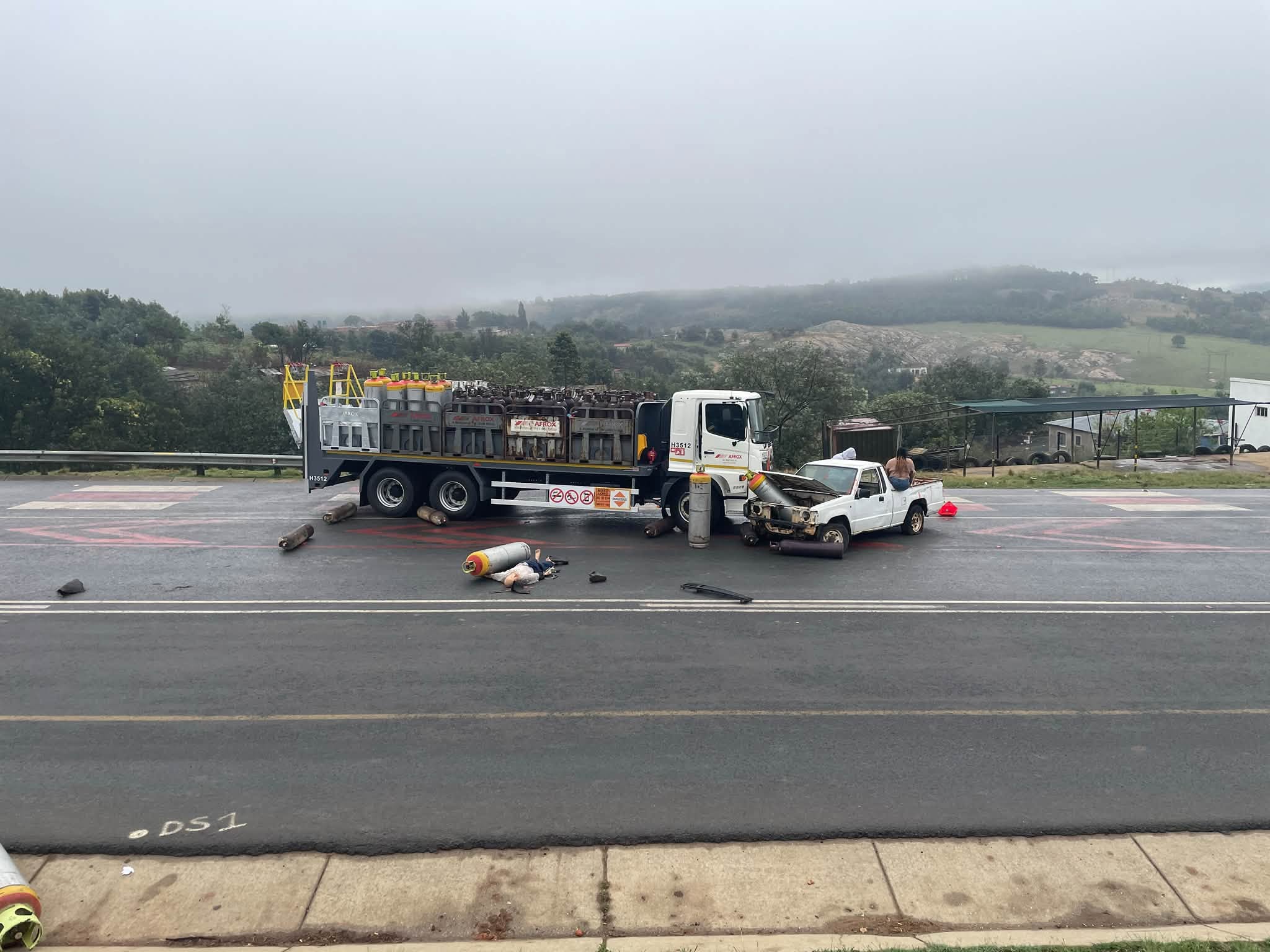
The N17 is a key trade and transport corridor linking Eswatini and South Africa through the Ngwenya–Oshoek border and carries significant volumes of freight, including dangerous goods. An incident involving hazardous materials along the route could pose risks to motorists, passengers, nearby communities and the environment, making a coordinated emergency response essential.

Under RIMS, emergency responders closest to an incident can assist across the border when required. This means Eswatini responders can cross into South Africa to stabilise and treat patients when they are closest to an incident, while South African responders can similarly provide assistance within Eswatini.
Agreements have been signed between the two countries to facilitate this arrangement and reduce delays that cross-border restrictions could cause during emergencies.
The system also promotes the sharing of information, response procedures and best practices to help emergency agencies coordinate their actions and ensure patients receive timely and appropriate treatment.
South Africa has shared its experience in incident management with Eswatini, contributing to the development of local systems and protocols for responding to road incidents.
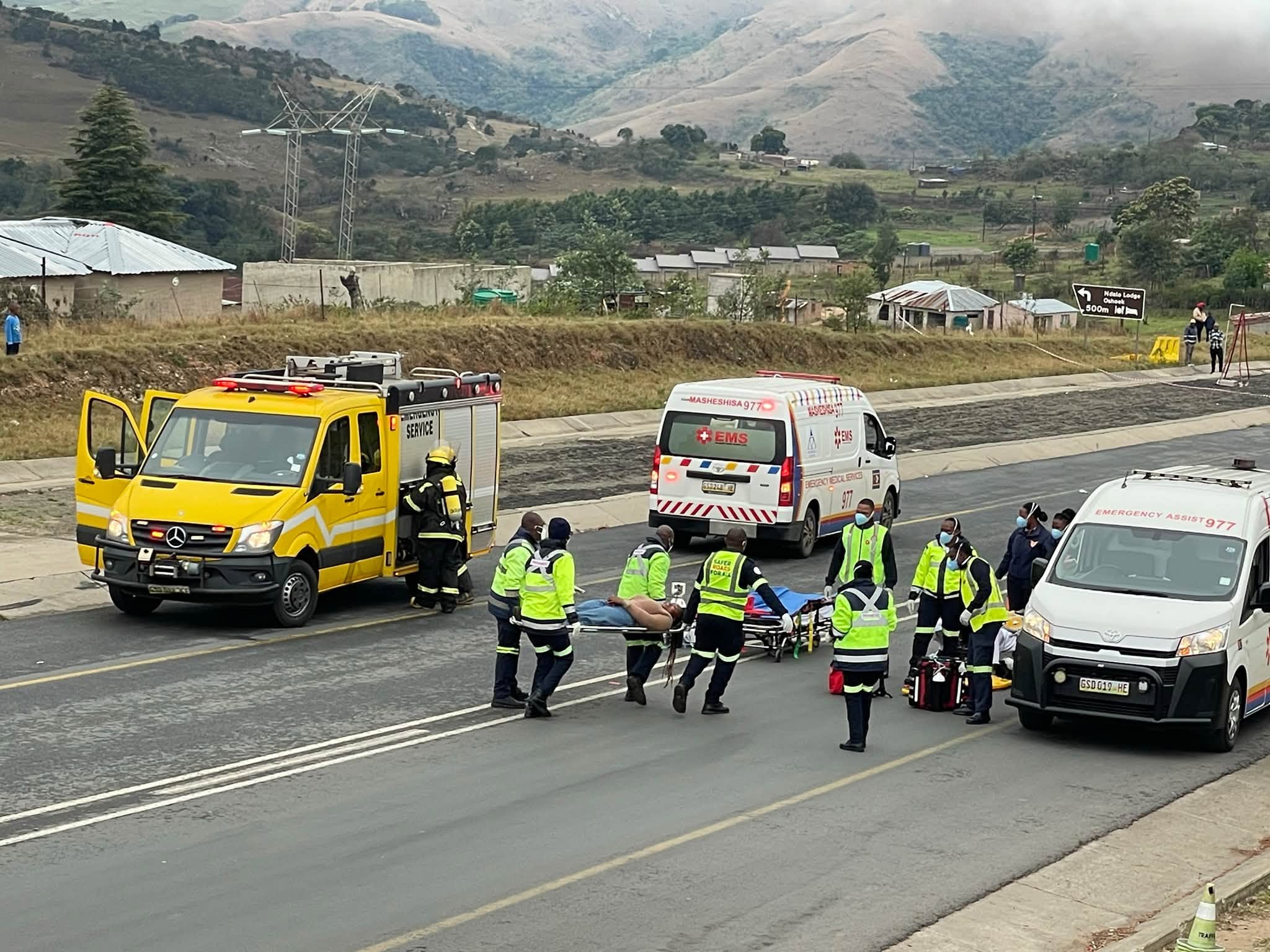
To support the implementation of these arrangements, Eswatini has established a committee comprising EMS, REPS, the Fire Service and Road Safety Unit. The committee provides a structure for coordinating road incident responses and applying the procedures developed through the RIMS initiative.
Friday’s exercise tested these arrangements through a realistic dangerous goods scenario, allowing the participating agencies to practise communication, coordination and cross-border response procedures.
The simulation forms part of efforts to strengthen Eswatini’s preparedness for road emergencies and improve the speed and coordination of response services, particularly along major transport corridors connecting the country with neighbouring South Africa.
#RoadSafety #RoadIncidentManagement #EmergencyResponse #Eswatini #CrossBorderResponse