



BY GCWALISILE MHLABANE
MANZINI – The threat of El Niño-driven drought has heightened the urgency for Eswatini to strengthen its weather intelligence, as the country prepares to host a major African satellite forum focused on detecting weather and climate risks before they cause serious damage.
The 17th EUMETSAT User Forum for Africa will be held at Esibayeni Lodge in Matsapha on October 6, 2026, bringing together meteorological experts, satellite technology users, academia and other stakeholders under the theme “New Generation of Satellite for Early Warning in Africa.”
For Eswatini, the forum offers a direct opportunity to strengthen El Niño monitoring, improve drought forecasting and give farmers, water managers and disaster authorities more time to prepare.
Director of Meteorology Duduzile Nhlengethwa-Masina said El Niño, associated with above-normal warming of the Pacific Ocean, has global weather implications and reinforces the need for countries to anticipate changing conditions.
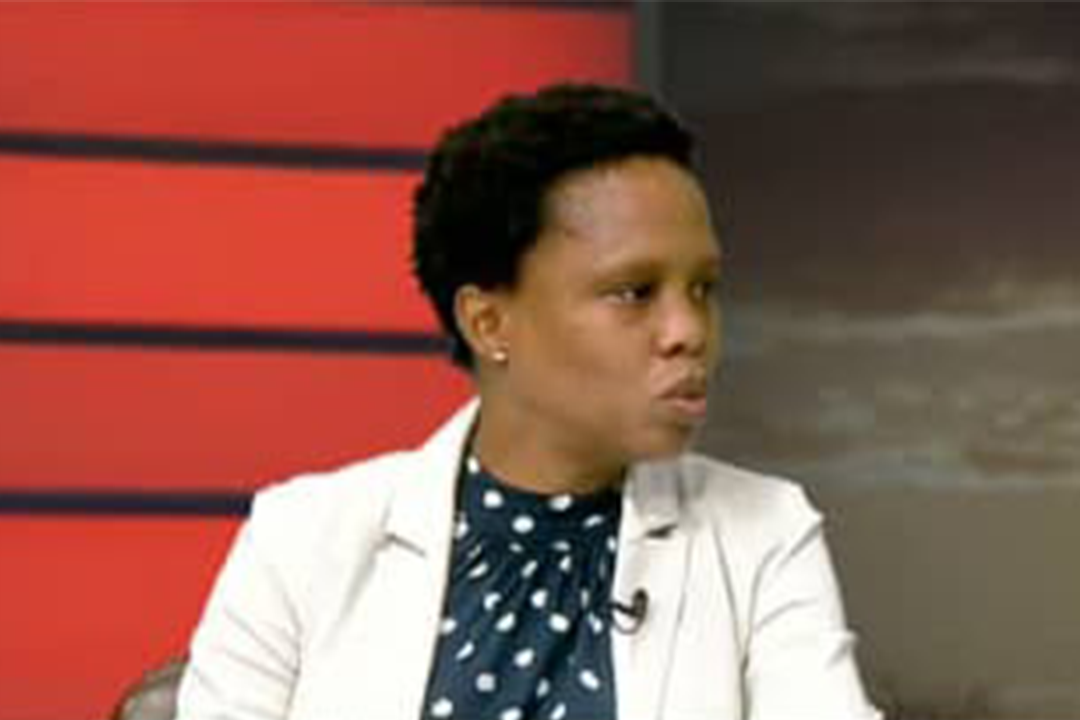
Speaking on Eswatini TV’s Kusile Breakfast Show on Monday, October 5, 2026, she said improved satellite technology could give Eswatini and other African countries more detailed and frequent information for weather forecasting.
“Technology is improving. Technology is increasing. We are getting into the era of big data,” she said.
The technology is expected to be particularly valuable as Eswatini faces the twin risks of drought and increasingly severe thunderstorms, which can damage crops, homes, roads and other infrastructure.
Nhlengethwa-Masina said modern satellites provide more than the weather images seen by the public. They capture information such as cloud temperatures and the speed and direction of cloud movement, allowing forecasters to determine whether storms are developing, strengthening or weakening.
For Eswatini, this is important for nowcasting, which covers weather conditions from the present to the next three hours.
“The more information, the more details you have, the more informed the forecasting and the decision you are going to make to communicate to the nation,” she said.
The satellite information can also support drought monitoring, helping sectors such as agriculture and water management make decisions before conditions deteriorate.
Nhlengethwa-Masina said early warnings were valuable because they gave people time to act rather than simply react to disasters.
“If we say there will be flooding, you might as well want to put your sandbags—you are not going to go start collecting sand, you should have already prepared,” she said.
She said the same principle applied to drought preparedness, where advance information could help farmers and authorities adjust their plans.
However, she stressed that satellites alone were not enough. Eswatini needs to combine satellite observations with ground-based measurements and numerical weather prediction systems to produce more reliable forecasts.
“Using only one of the data sets—only one of these three systems—is not in itself enough, but we need to be able to combine them,” she said.
Ground observations are particularly important because Eswatini’s terrain can mean satellite observations do not always reflect conditions exactly as experienced on the surface.
The forum will therefore focus not only on collecting better data, but also on turning forecasts into warnings people can understand and act on.
This is a key part of Africa’s Early Warnings for All agenda, which seeks to ensure people receive timely warnings before hazardous weather strikes.
For Eswatini, that means closing the gap between a forecast being produced and communities receiving practical advice on what to do.
The Meteorology Department is working through initiatives such as WISER to improve Weather and Climate Information Services, with emphasis on timely, understandable and actionable information.
The EUMETSAT forum will also give Eswatini an opportunity to engage directly with satellite technology institutions and other African users on gaps, training needs and capacity building.
As satellite technology moves into the Meteosat Third Generation era, Nhlengethwa-Masina said continued investment in skills would be essential.
“As technology improves, more data becomes available, and we continuously need to build the capacity to get the most out of it,” she said.
With El Niño sharpening concerns over drought preparedness, Eswatini’s hosting of the forum places the country at the centre of discussions on how better satellite intelligence can translate into earlier warnings, faster action and greater protection of livelihoods.