



BY SIFISO NHLABATSI
EZULWINI – The Food and Agriculture Organization of the United Nations (FAO) has called for stronger country-level action to turn Africa’s seed policy commitments into tangible results, saying investment, partnerships, innovation and capacity development will be critical to building resilient agricultural systems.
FAO Representative in Eswatini Rosanne Marchesich said although the continent had established strong policy frameworks for strengthening seed systems, their impact would ultimately be determined by how effectively they were implemented at national level.
“While Africa has established strong policy frameworks, lasting impact will ultimately depend on what happens at country level through investment, partnerships, innovation, capacity development and effective implementation,” Marchesich said.
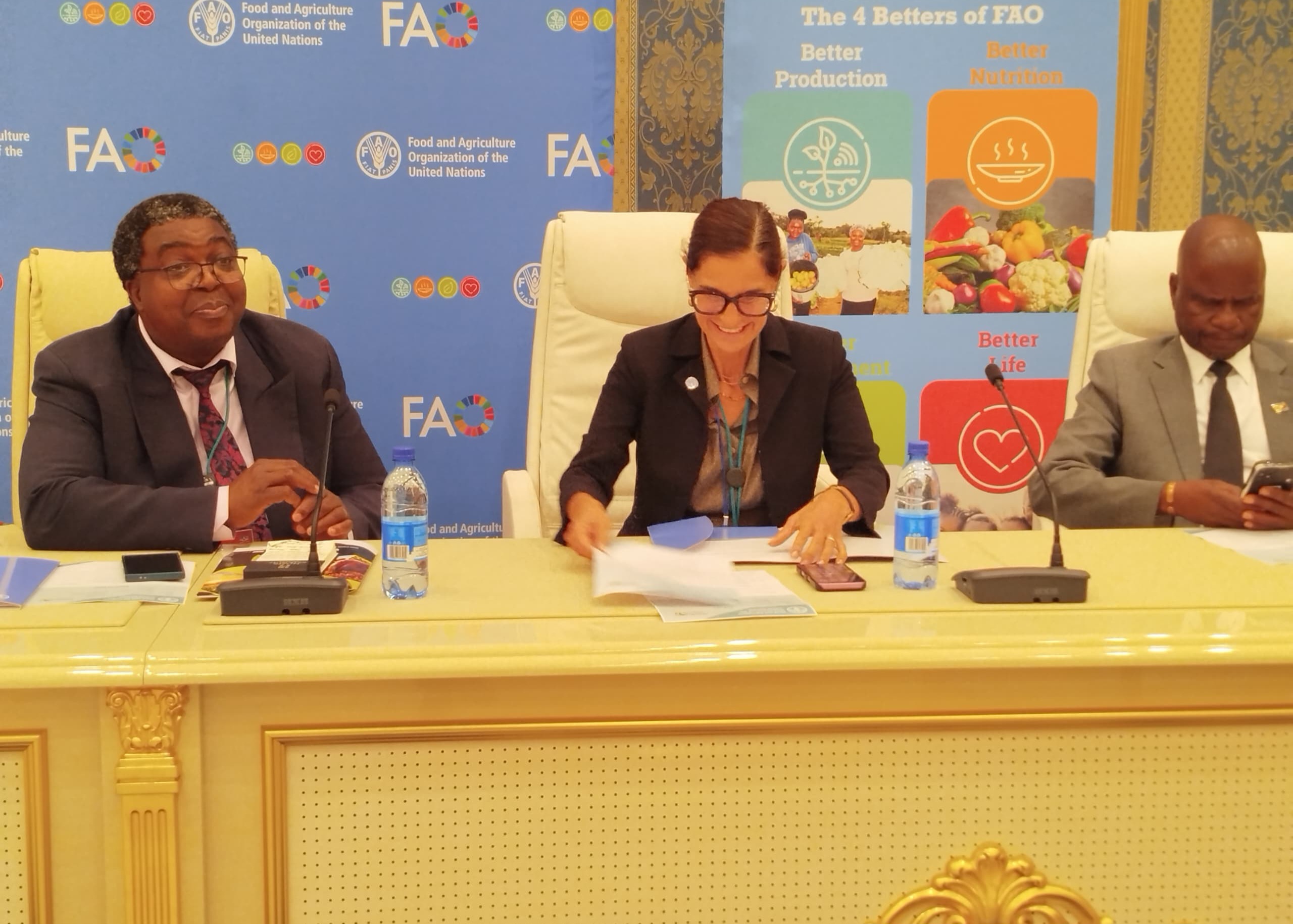
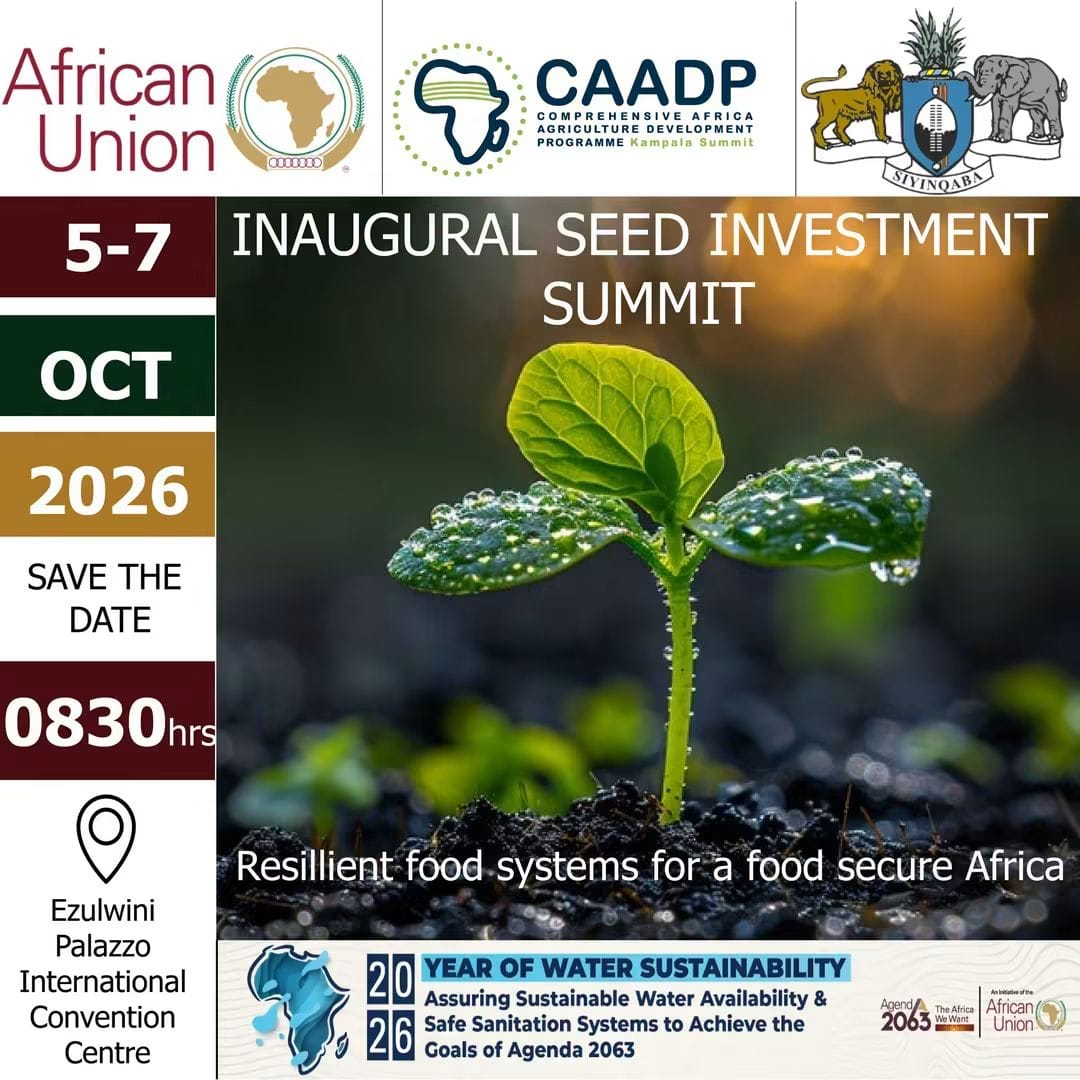
She was speaking during the FAO side event held on the margins of the inaugural African Union (AU) Seed Investment Summit at the Ezulwini Palazzo International Convention Centre on Monday afternoon.
The side event, themed “From Continental Commitments to Action: Accelerating Resilient, Inclusive and Technology-Driven Seed Systems in Africa,” brought together stakeholders to discuss how Africa could translate commitments on seed systems into practical action.
Marchesich said strong seed systems were central to Africa’s agrifood systems transformation, particularly as countries seek to increase food production, strengthen resilience to climate-related shocks and reduce dependence on food imports.
“Seeds are the foundation of agriculture,” she said.
She said without strong, resilient and inclusive seed systems, Africa would struggle to achieve the productivity gains and climate resilience required to meet its development aspirations.
Marchesich said FAO had been supporting efforts in Southern Africa to strengthen seed regulation and facilitate access to quality seed across the region.
She said FAO, working with the Southern African Development Community (SADC), had provided policy advocacy, legal, technical and capacity development support towards operationalising the SADC Harmonized Seed Regulatory System (HSRS).
According to Marchesich, assessments conducted by FAO and the United States Agency for International Development (USAID) found that Southern African countries were at different levels of compliance with the regional system.
The assessment identified gaps in national seed sector legal and regulatory frameworks and recommended measures towards full compliance with the HSRS.
Marchesich said FAO had also supported National Seed Authorities and National Plant Protection Organisations through the development of regionally harmonised protocols for the inspection of seed production fields.
She further highlighted the strengthening of plant health laboratory diagnostic capacity in SADC Member States through the European Union-funded STOSAR project, implemented by FAO.
According to Marchesich, these interventions were aimed at supporting safe cross-border seed trade and improving access to quality seed and improved, adapted crop varieties.
She said Eswatini’s focus on food sovereignty, increased domestic food production and climate resilience made the discussions particularly relevant to the country.
“Achieving these ambitions requires strong seed systems that ensure farmers have access to quality seed, improved varieties and the innovations needed to increase productivity and resilience,” Marchesich said.
She said translating continental commitments into results would require coordinated action involving governments, development partners, researchers, private-sector players and farmers.
The discussions at the summit are therefore expected to focus on investment, biotechnology, innovation, plant genetic resources, regulation and regional cooperation as Africa seeks to build seed systems capable of supporting long-term food security.
#AfricaSeedSummit #FAO #SeedSystems #FoodSecurity #Agriculture #Eswatini #SADC #FoodSovereignty #ClimateResilience