



…Healthy habits start young
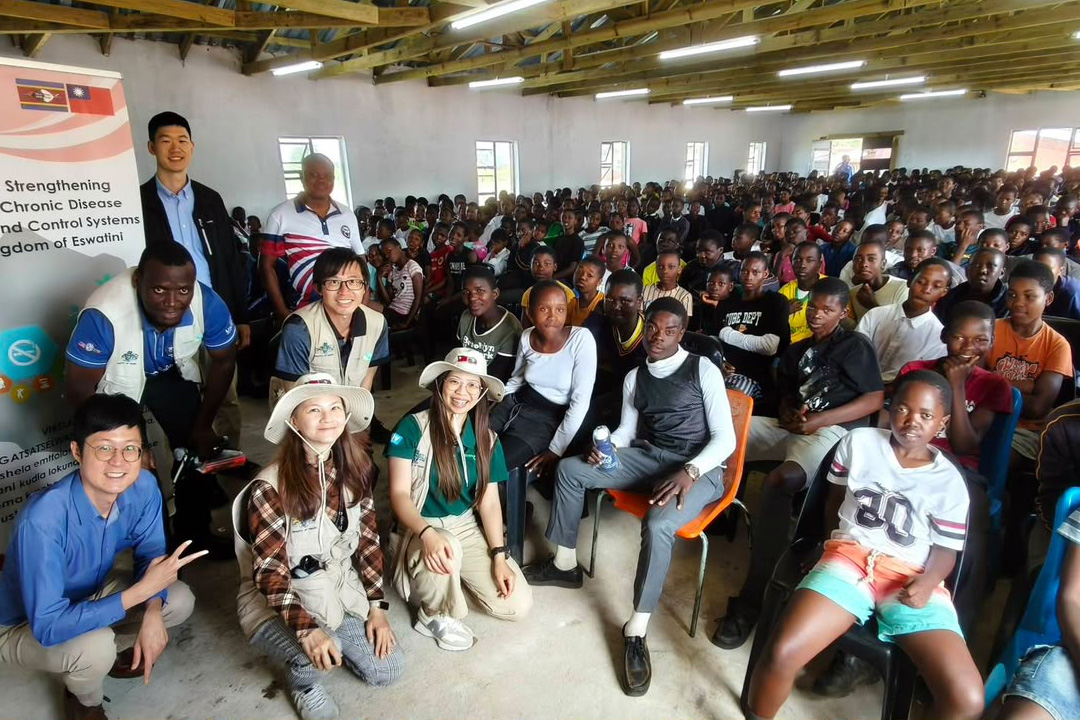
…530 students take part in School Health Day
…Exercise, nutrition and mental health take centre stage
BY NELIWE NGUBANE
MANZINI— A classroom lesson took a healthier turn at Dwalile High School on Monday when 530 students swapped their desks for an energetic aerobics session before diving into conversations about diabetes, hypertension, mental health and other health challenges affecting young people.
The School Health Day, held on 5 October, was organised by the Taiwan Technical Mission (TaiwanICDF) in partnership with the Ministry of Health as part of the Project for Strengthening Metabolic Chronic Disease Prevention and Control Systems, launched in 2024 to support Eswatini’s efforts to prevent and control non-communicable diseases (NCDs).
The message was simple but significant: healthy living should begin before illness does.

The programme opened with a 30-minute aerobics session, giving students a practical demonstration that physical activity does not have to be confined to sports fields or competitions.
This was followed by two hours of interactive health education covering diabetes and hypertension prevention, healthy nutrition, smoking and alcohol prevention, sexual and reproductive health, cancer prevention and mental health.
For Taiwan Technical Mission Project Specialist Ben Hung, taking health education into schools is an important step towards preventing unhealthy behaviours from becoming lifelong habits.
Hung said the need for such interventions is highlighted by findings from the World Health Organization’s 2025 Eswatini Global School-based Student Health Survey (GSHS).
According to the survey, 23.6 per cent of students reported consuming alcohol in the previous 30 days, while 37.5 per cent consumed sugar-sweetened drinks at least once a day.
Physical inactivity was also identified as a major concern, with 85.3 per cent of students failing to achieve at least 60 minutes of physical activity per day.
The survey further reported that 24.3 per cent of students had attempted suicide, highlighting the need for school health programmes to address not only physical wellbeing, but also mental health and access to appropriate support.
Hung said school-based health promotion provides an opportunity to reach young people before risky behaviours become established.
Since the project began, school-based health education activities have reached 4 564 students, equipping them with practical information to make informed health decisions.
From the Ministry of Health, NCD Programme National Officer Vusi Shabangu said the visit focused on prevention and encouraging students to make physical activity part of their daily lives.
He said students and teachers were given practical information on reducing NCD risks through regular exercise, balanced diets and avoiding alcohol and tobacco.
Shabangu said introducing these habits early could help young people reduce their exposure to NCD risk factors later in life.
He also expressed appreciation to TaiwanICDF for its support and called for continued collaboration to take similar programmes to more schools.
The discussion also extended to cancer prevention.
Busisiwe Gama, Regional Cancer Focal Person for Manzini from the Ministry of Health’s National Cancer Control Unit, focused on cervical cancer prevention, particularly HPV vaccination and the recommended age groups and dosing schedules.
She highlighted HPV infection, early sexual debut, multiple sexual partners, tobacco use and unhealthy lifestyles as some of the risk factors associated with cervical cancer.
Gama stressed that prevention remains a cornerstone of cancer control and that giving young people accurate information can help them make informed choices while allowing them to pass knowledge on to their families and communities.
At Dwalile High School, the initiative was also welcomed by educators.
Head Teacher Sicelo Shabangu said he was particularly impressed by the aerobics session, noting that physical activity should not only happen during sports days or competitions.
He said maintaining good physical health is important for effective learning and teaching, while commending the Ministry of Health for addressing drug abuse, alcohol use and mental health.
For one Form 5A student, the lessons provided a clearer understanding of diabetes and hypertension and reinforced the importance of exercise and a balanced diet.
He thanked TaiwanICDF for bringing practical health education directly to the school.
For students in rural communities where access to health information may be limited, bringing such conversations into the classroom could make a lasting difference.
The Dwalile programme therefore became more than a single school activity. It was a reminder that preventing chronic diseases can begin with something as simple as moving the body, choosing healthier food and having the courage to talk about mental and physical wellbeing.
And for the 530 students who took part, the lesson was not only about avoiding illness — it was about learning how to build healthier lives before illness has the chance to take hold.
#EPN #EswatiniPositiveNews #DwalileHighSchool #TaiwanICDF #HealthyLifestyle #NCDPrevention #HealthEducation #YouthHealth #DiabetesPrevention #HypertensionPrevention #MentalHealth #CancerPrevention #Eswatini
(Courtesy Pic)