



BY MBONGENI NDLELA
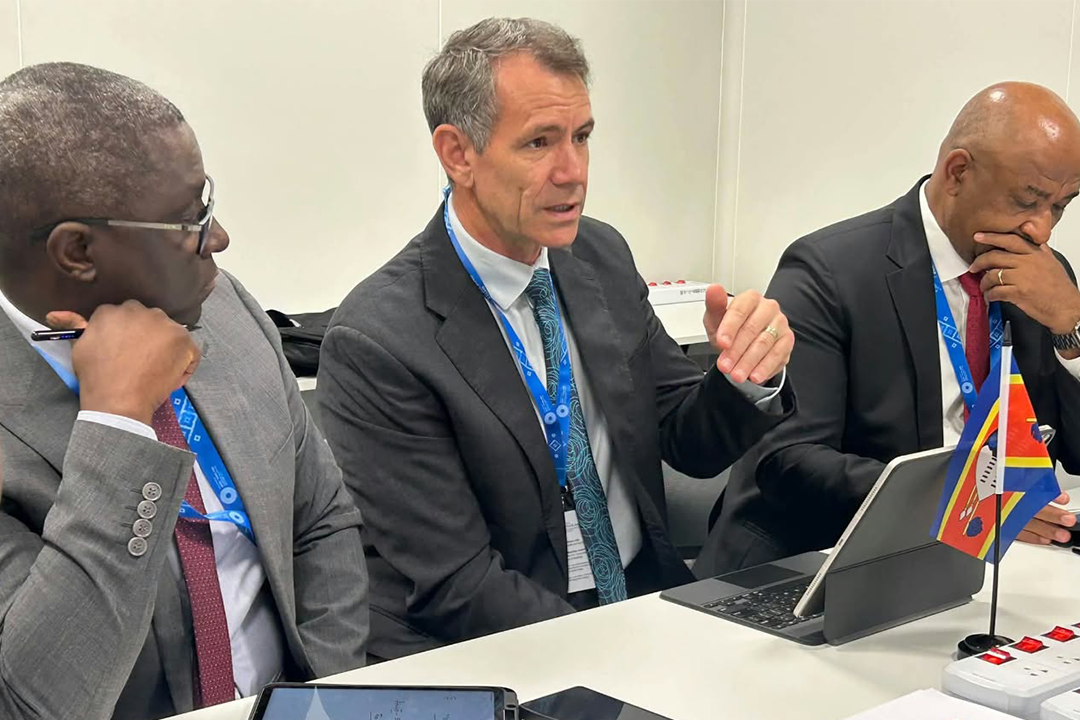
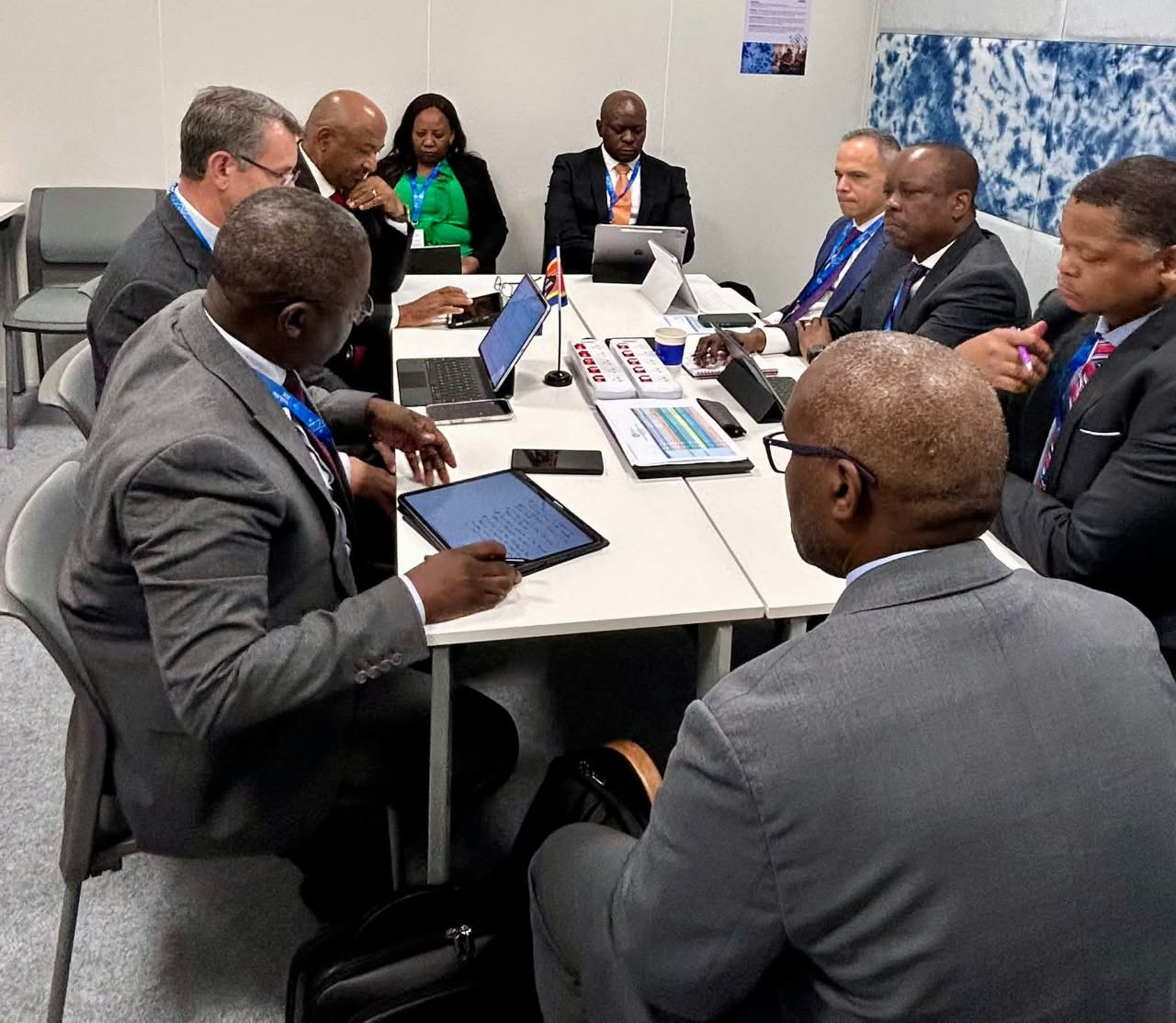
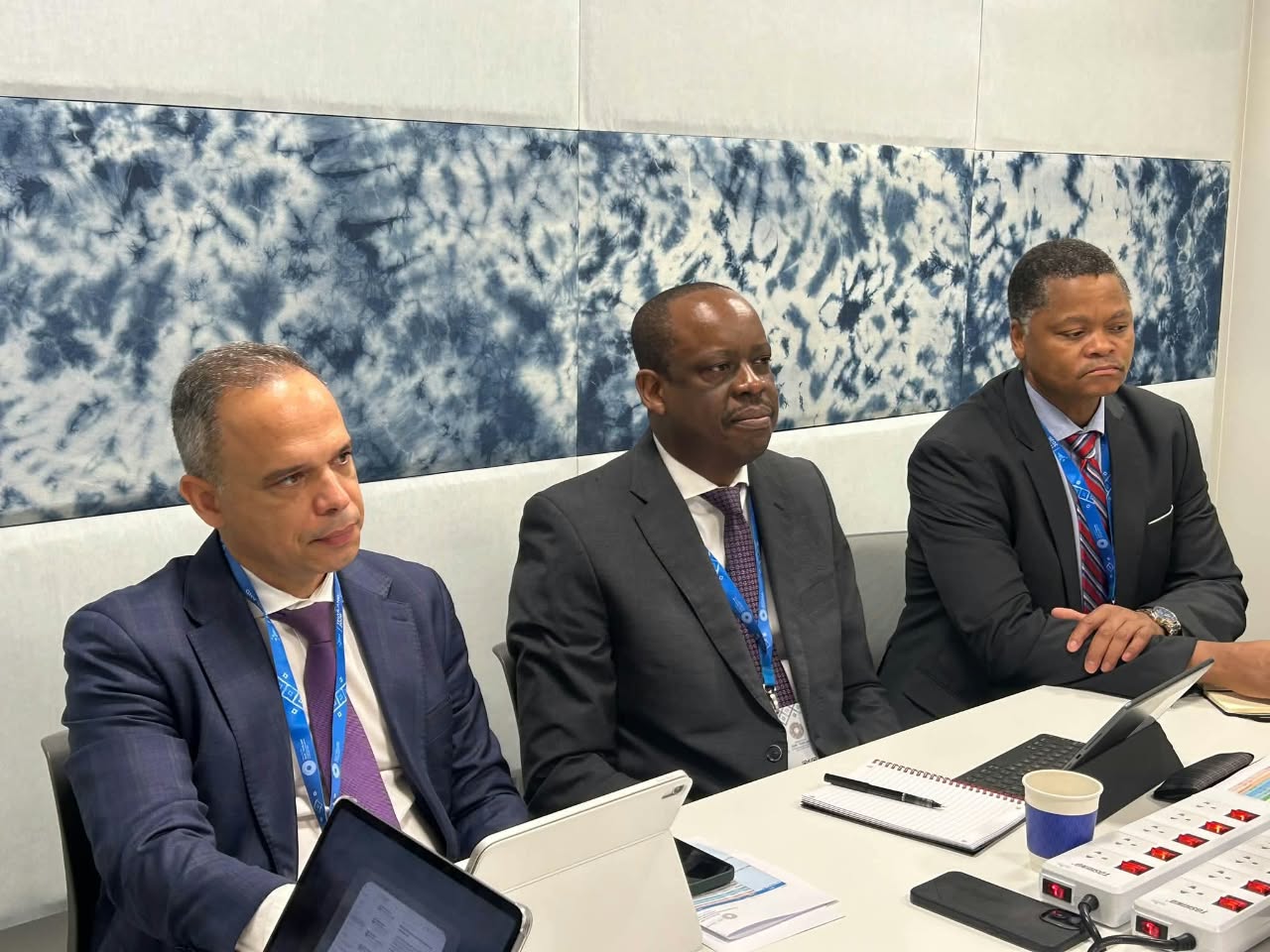
MBABANE – Eswatini has taken its economic priorities to the international stage, with Minister of Finance Neal Rijkenberg leading a high-level engagement with International Monetary Fund (IMF) Executive Director for the Africa Group 1 Constituency, Andriano Ubisse, on the sidelines of the 2026 IMF Annual Meetings.
The meeting brought together the Governor of the Central Bank of Eswatini, the Principal Secretary and senior officials from both the Ministry of Finance and the Central Bank, providing an opportunity for the Kingdom to engage directly with one of its representatives on the IMF Executive Board.
At the centre of the discussions were Eswatini’s economic priorities, its cooperation with the IMF and broader developments affecting the global economy and financial markets.
The engagement comes at a time when countries across the world are examining ways to strengthen their economies, maintain financial stability and respond to changing international economic conditions.
For Eswatini, participation in such discussions provides an opportunity to present its economic interests while remaining involved in international conversations that influence financial policy and economic cooperation.
The IMF Annual Meetings bring together finance ministers, central bank governors and senior government officials from across the world to discuss global economic developments, financial stability and international monetary cooperation.
The meetings also provide a platform for member countries to exchange views with IMF officials on economic policies and challenges affecting their respective economies.
Ubisse, who serves as Executive Director for the Africa Group 1 Constituency, represents the interests of member countries within his constituency on the IMF Executive Board.
His engagement with the Eswatini delegation therefore provided an important channel for discussing matters affecting the Kingdom within the institution.
The participation of both the Ministry of Finance and the Central Bank of Eswatini is particularly significant because the two institutions have different but closely related responsibilities in managing the country’s economy.
While the Ministry of Finance oversees government fiscal policy, public finances and budgetary priorities, the Central Bank is responsible for monetary policy, financial stability and safeguarding the country’s monetary system.
Their joint participation allows Eswatini to engage international financial institutions on matters covering both public finance management and monetary developments.
The IMF plays an important role in the international financial system through economic surveillance, policy advice, technical assistance and financial support to qualifying member countries.
For smaller economies such as Eswatini, engagement with the institution provides access to economic expertise and international discussions on issues that can affect domestic economic performance.
The 2026 Annual Meetings also provide an opportunity for Eswatini officials to follow discussions on global economic conditions and developments that may have implications for the Kingdom’s economy.
Eswatini’s economy is closely connected to regional and international markets through trade, investment and financial relationships, making developments beyond its borders relevant to domestic economic planning.
The meeting with Ubisse forms part of the Kingdom’s broader participation in the annual international gathering.
Although no specific financial commitments or agreements were announced following the engagement, the discussions provided a platform for continued dialogue between Eswatini and the IMF on matters of mutual interest.
The participation of Minister Rijkenberg, the Central Bank Governor and senior government officials places Eswatini among countries engaging international financial institutions on economic cooperation and the challenges facing the global financial system.
As the Annual Meetings continue, the Kingdom’s delegation is participating in discussions that provide opportunities to exchange economic perspectives, strengthen institutional relationships and communicate Eswatini’s priorities at the international level.