



BY GCWALISILE MHLABANE
MANZINI – Young people in rural communities are being encouraged to turn climate change challenges into business opportunities that create jobs, generate income and strengthen the resilience of communities affected by drought, water shortages and other climate-related disasters.
Ngwempisi Inkhundla Youth Chairperson Ellis Dlamini said young people could play a critical role in addressing the climate crisis by establishing green businesses that respond to environmental challenges while contributing to local economic development.
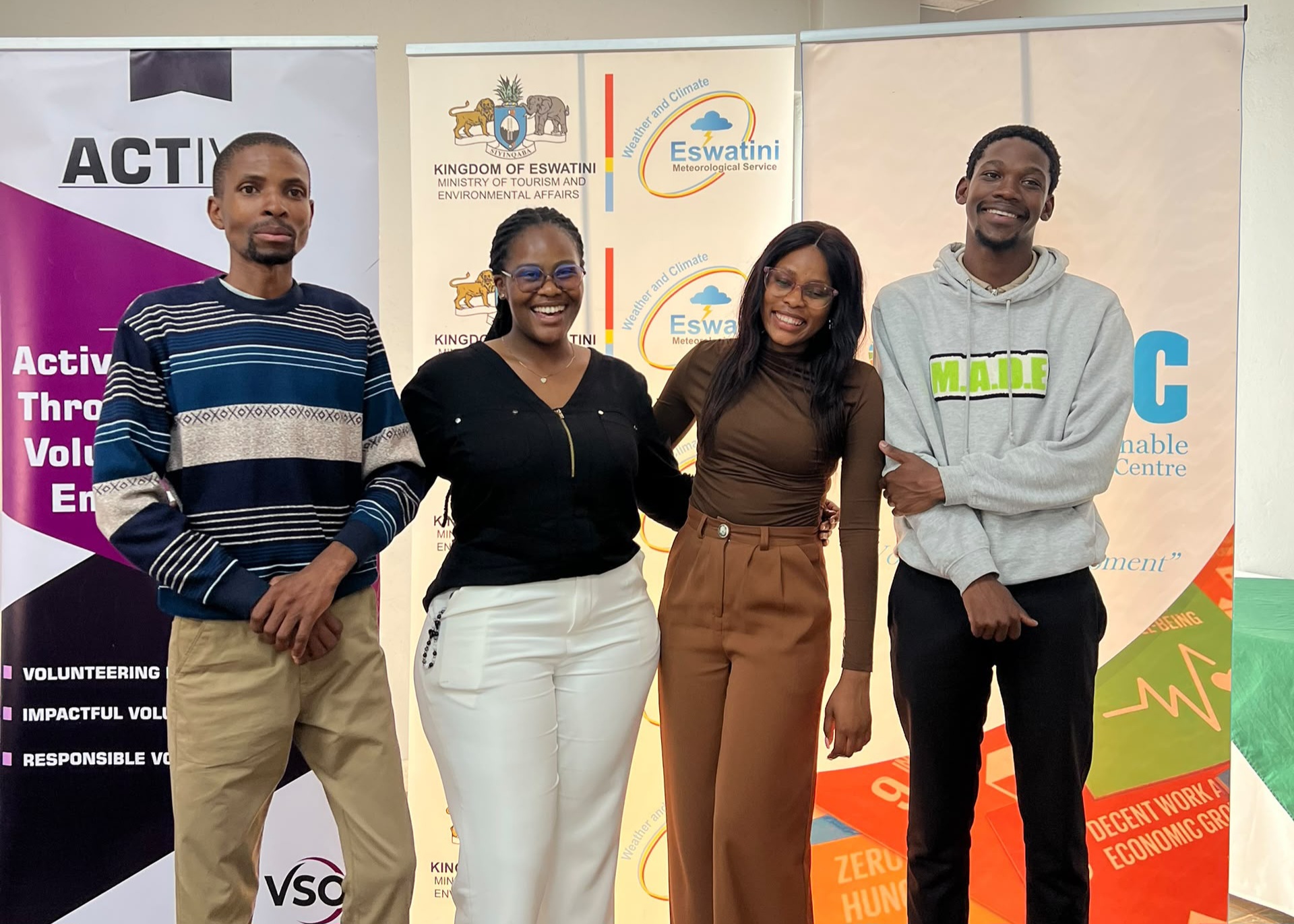
Ngwempisi youth participated in the 2026 Local Conference of Youth on Climate Change (LCOY) after being recommended by the Youth Sustainable Development Centre (YSDC), led by Nokuthula Mamba. The two-day conference was held at Sibane Sami Hotel in Ezulwini.
Dlamini said climate change should not only be viewed as a threat to livelihoods but also as an opportunity for young people to develop innovative solutions that benefit their communities.

“Young people at Tinkhundla level can transform the challenges of climate change-induced disasters into sustainable economic opportunities. By focusing on adaptation, resilience and green solutions, they can build businesses that protect their communities while generating income,” he said.
He identified climate-smart agriculture, water management, renewable energy, waste recycling and disaster-resilient construction as sectors where young people could establish sustainable enterprises.
On agriculture and food security, Dlamini noted that droughts and unpredictable rainfall threatened food production, making it important to introduce farming methods that use water efficiently.
He encouraged young entrepreneurs to explore hydroponics and aquaponics, which allow crops to be grown using water-based systems and can reduce reliance on rainfall when properly managed.
He also proposed establishing drought-resistant seed banks where young people could source, multiply and sell climate-resilient crops such as sorghum, millet and sweet potatoes to local farmers.
Organic fertiliser production was another business opportunity. Dlamini said youth enterprises could collect suitable organic waste and plant material to produce compost and vermicompost for farmers seeking environmentally friendly fertilisers.
On water security, he said climate change could worsen shortages, while floods could contaminate existing water supplies.
He encouraged young people to provide rainwater harvesting services by installing and maintaining collection systems and storage tanks for households and schools. Solar-powered water purification services could also improve access to safe drinking water during shortages.
Dlamini said youth cooperatives could work with local Tinkhundla administrations and non-governmental organisations to address soil erosion by constructing gabions and planting vetiver grass in vulnerable areas.
Such initiatives could generate income while protecting farmland, homes and community infrastructure from environmental damage.
Renewable energy and waste management were other areas he identified as having potential for youth-led businesses.
“Young people can acquire the necessary skills to install and maintain solar home systems, helping rural households access alternative sources of electricity,” he said.
He also encouraged young entrepreneurs to establish plastic and electronic waste collection centres, where recyclable materials could be sold to recycling companies or transformed into useful products, including construction materials.
Another opportunity was the production of biomass briquettes from suitable agricultural waste and invasive plant material, offering an alternative cooking fuel that could reduce reliance on firewood.
Dlamini further identified eco-friendly construction and emergency logistics as potential areas for youth entrepreneurship. Young people could learn to construct disaster-resilient structures using appropriate sustainable materials and establish transport services to deliver essential goods, medical supplies and relief items when damaged roads disrupt access to communities.
Meanwhile, Ngwempisi Indvuna Yenkhundla Mliba Mabuza said supporting rural youth to participate meaningfully in the green economy required targeted assistance in skills development, financing and community infrastructure.
“Assisting rural youth in the green economy requires targeted support across skills, finance and community infrastructure,” said Mabuza.
He stressed that access to relevant training, funding and infrastructure would help young people turn their ideas into viable businesses.
Dlamini said the Ngwempisi Inkhundla Council fully supported youth participation in climate action and expressed gratitude to YSDC for recommending the constituency to participate in LCOY 2026.
He added that climate change was recognised under Pillar Four of community development, reflecting the council’s commitment to considering environmental challenges in its development priorities.
The participation of Ngwempisi youth in the conference highlighted the potential of green entrepreneurship to address environmental challenges while creating economic opportunities for rural communities.
#YouthEmpowerment #GreenEconomy #ClimateAction #Ngwempisi #YouthEntrepreneurship #LCOY2026 #Eswatini