


By Phesheya Ian Kunene
MATSAPHA – It took two weeks, a few welding sparks, and a whole lot of heart for Emajaha to build and hand over 20 sturdy home economics desks to two grateful schools.
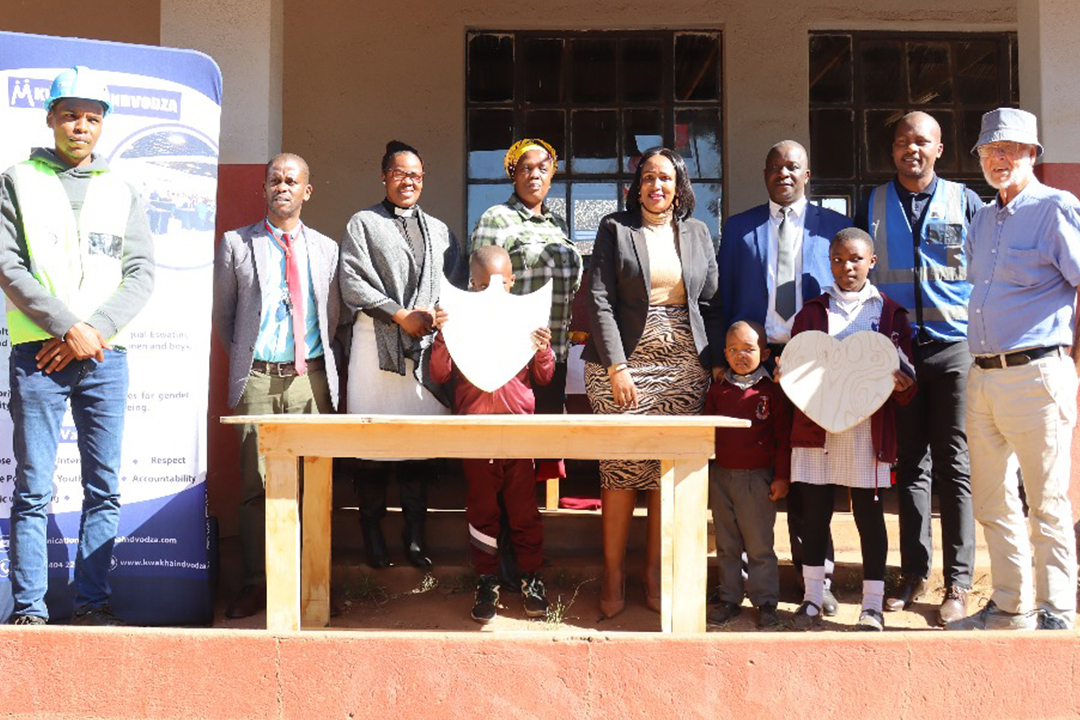
Usuthu Mission Primary and Kwaluseni Infant Primary School each received 10 handcrafted desks from Kwakha Indvodza, through a skills-building initiative backed by the Swaziland Schools Project (SSP).
The desks were proudly constructed by out-of-school youth trained under the organisation’s Social Entrepreneurship and Income Generation (SEIG) Project, a flagship programme aimed at equipping young people with marketable trade skills.
According to Project Coordinator Khanyisa Fakudze, the initiative is a practical response to both education and unemployment challenges facing the country.

“We are fixing the country by re-hiring these Emajaha apprentices and equipping them with skills that create sustainable livelihoods,” she said.
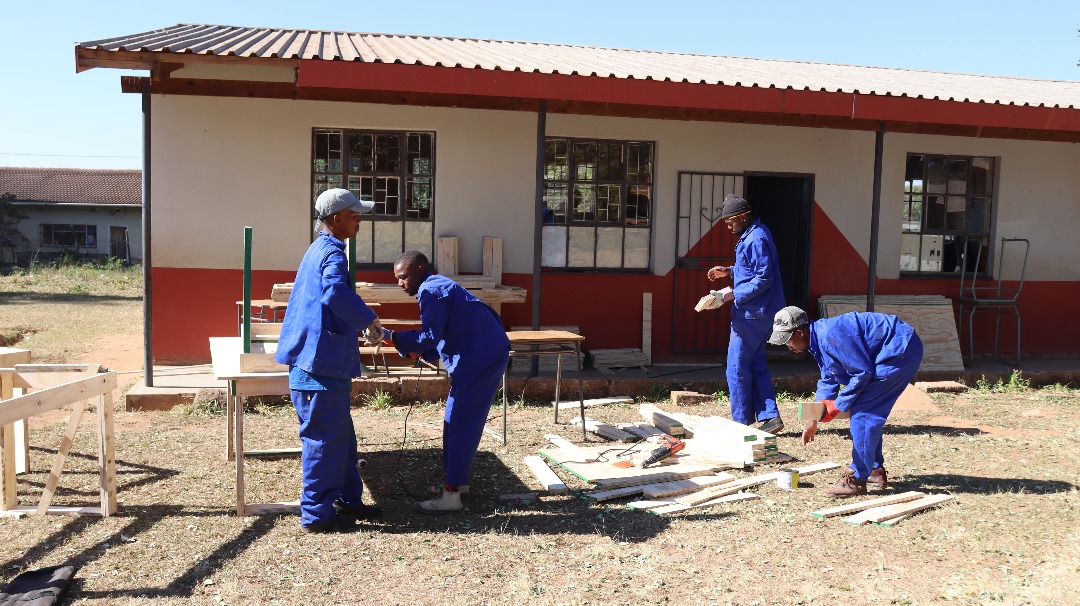
Fakudze added that the training programmes are designed to be holistic, combining technical carpentry and welding with soft skills and entrepreneurship education.
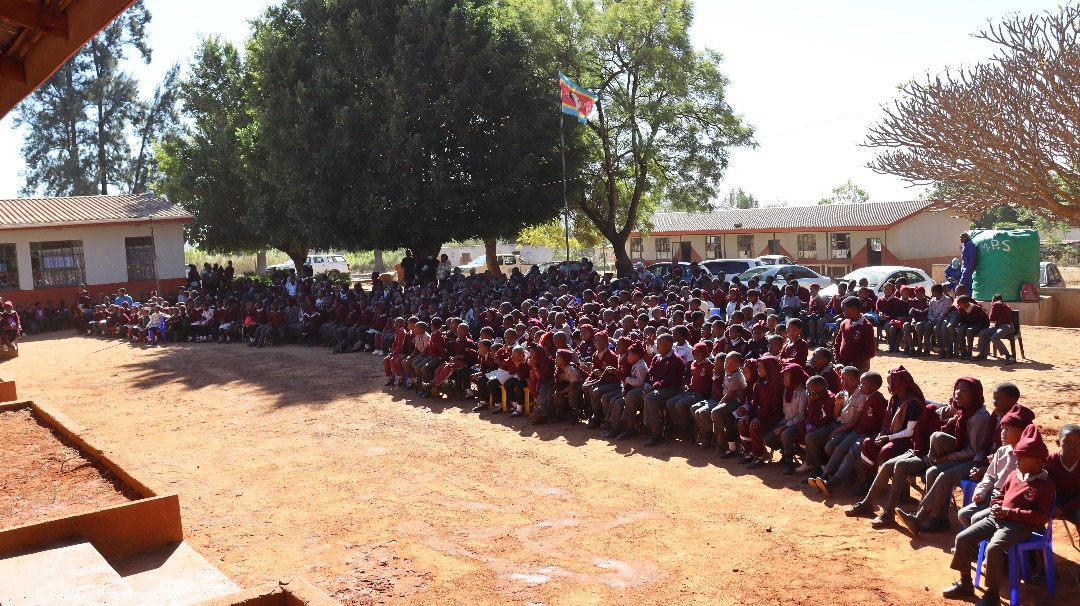
The handover ceremonies were held at both schools and were attended by school administrators, community members and key stakeholders, including representatives from the Regional Education Office (REO), school committees, the Anglican Church, and SSP partner Ton Vriend.
Speaking at the first handover, Vriend noted that the collaboration was not just about desks, but about restoring dignity and strengthening communities through education and empowerment.
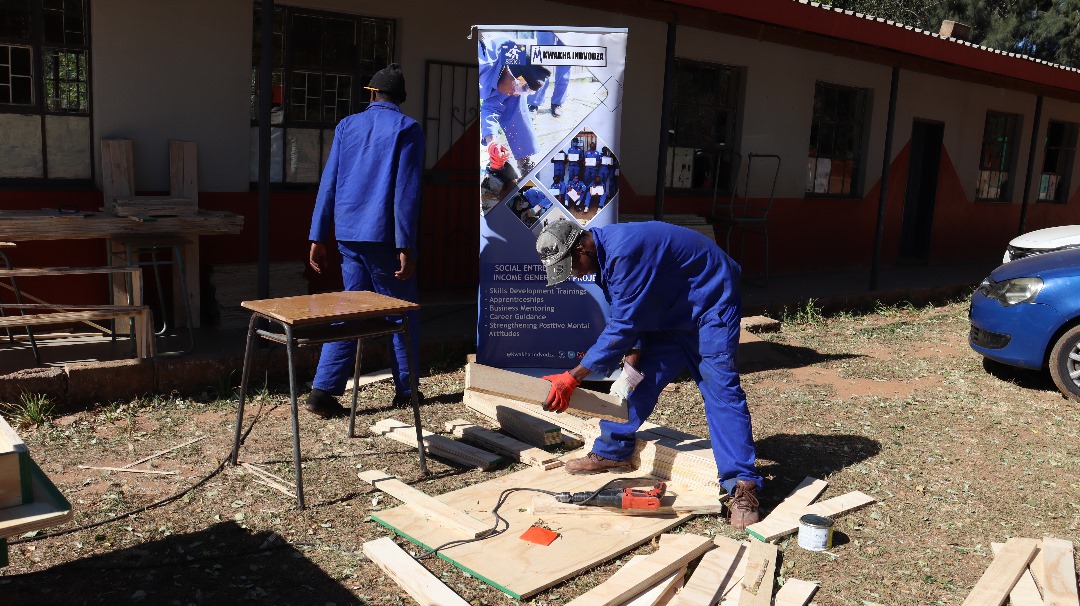
For the apprentices, the moment was more than just the delivery of furniture , it was a celebration of purpose and potential.
“We are not only learning how to build desks, but also how to build our futures,” said one of the apprentices involved in the project.
The desks will go a long way in easing the shortage of functional learning materials in the two schools. Usuthu Mission Primary School head teacher expressed gratitude, stating that the donation comes at a time when the school was struggling with inadequate resources for its practical subjects.
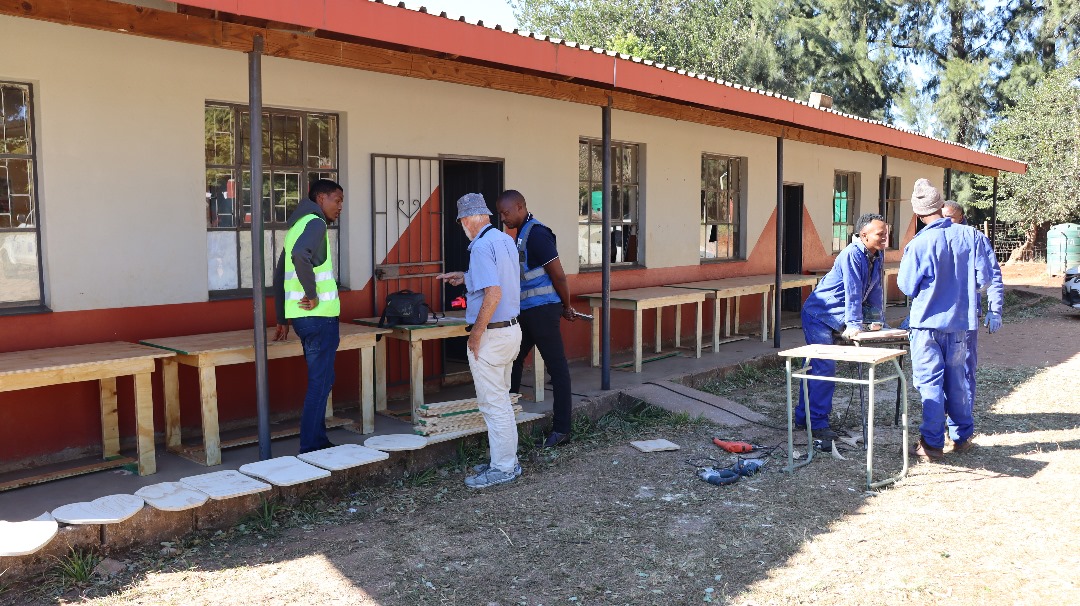
“These desks will directly benefit our learners, especially in home economics and life skills lessons,” she said.
Since its inception, the SEIG Project has repaired or built over 11 000 school desks across the country, reinforcing the belief that grassroots, youth-led development can solve some of Eswatini’s pressing social challenges. The initiative also supports the Ministry of Education and Training’s push to improve the learning environment in rural and peri-urban schools.
Kwakha Indvodza’s commitment to transforming communities from the ground up continues to inspire. With every desk built, a young artisan is empowered, and a child is given a better chance to learn. And in communities like Kwaluseni and Usuthu, that’s a win worth celebrating.