


BY PHESHEYA IAN KUNENE
MANZINI – National Malaria Programme and WHO boost frontline capacity through expert workshop
With 2028 firmly in sight, Eswatini’s healthcare system is stepping up its fight against malaria – and doctors are now better equipped than ever to lead the charge.
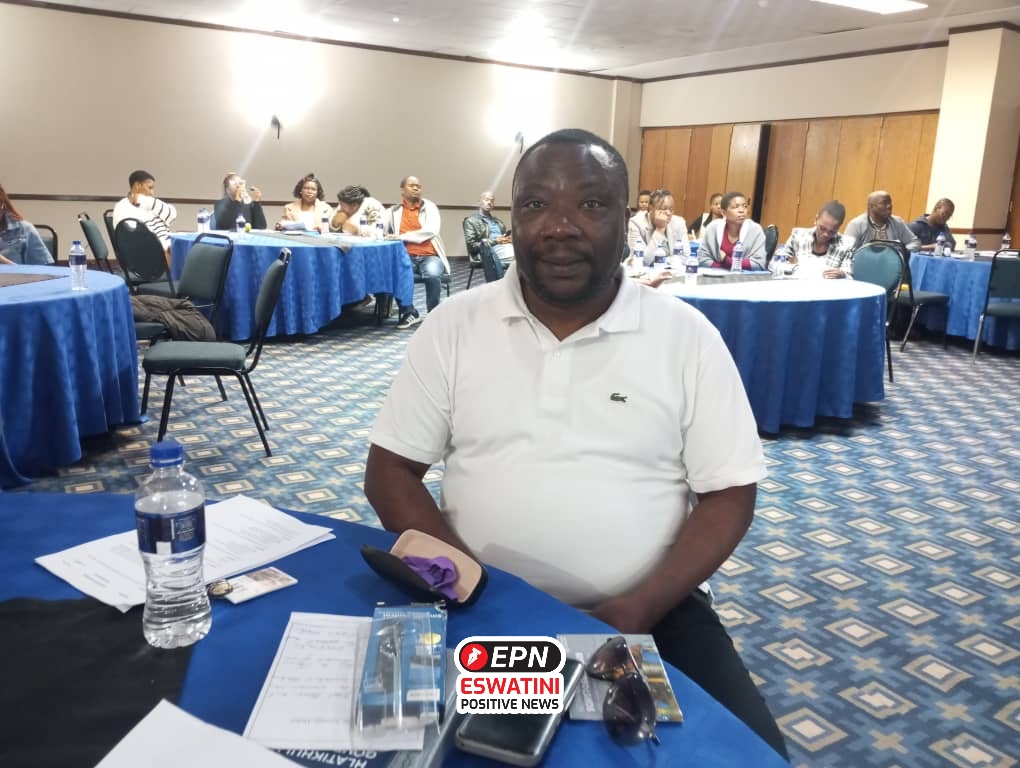
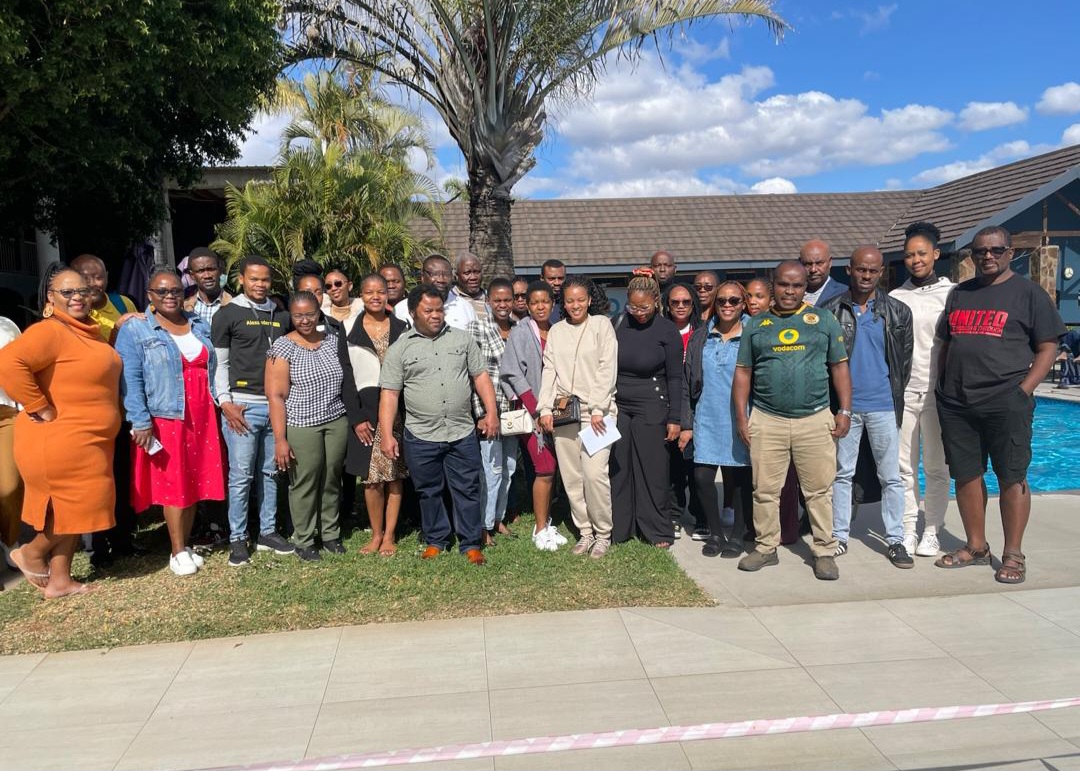
This past weekend, the National Malaria Programme (NMP), in partnership with the World Health Organization (WHO), hosted a dynamic three-day Malaria Case Management Workshop at The George Hotel in Manzini.
The workshop brought together 50 doctors from across the kingdom, arming them with the latest tools, treatment protocols, and strategies to detect, manage, and ultimately eliminate malaria.
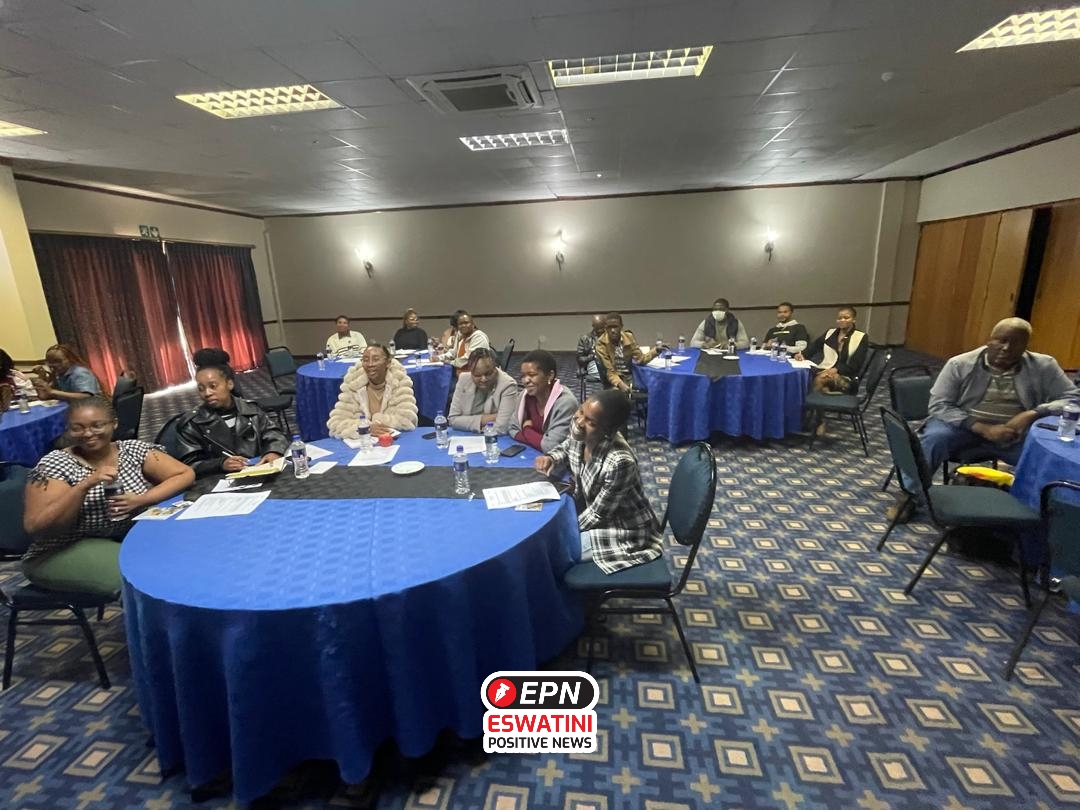
Coordinated by Senior Programme Officer Mbongiseni Mathobela from the NMP, the workshop marked a critical milestone in the country’s roadmap to elimination. It followed a similar training session targeting nurses and frontline health workers, an indication that Eswatini is mobilising all forces in the war against malaria.
According to facilitators, the key goal was to enhance clinical competence among doctors in diagnosing and treating both uncomplicated and severe malaria cases, guided by WHO’s updated protocols.
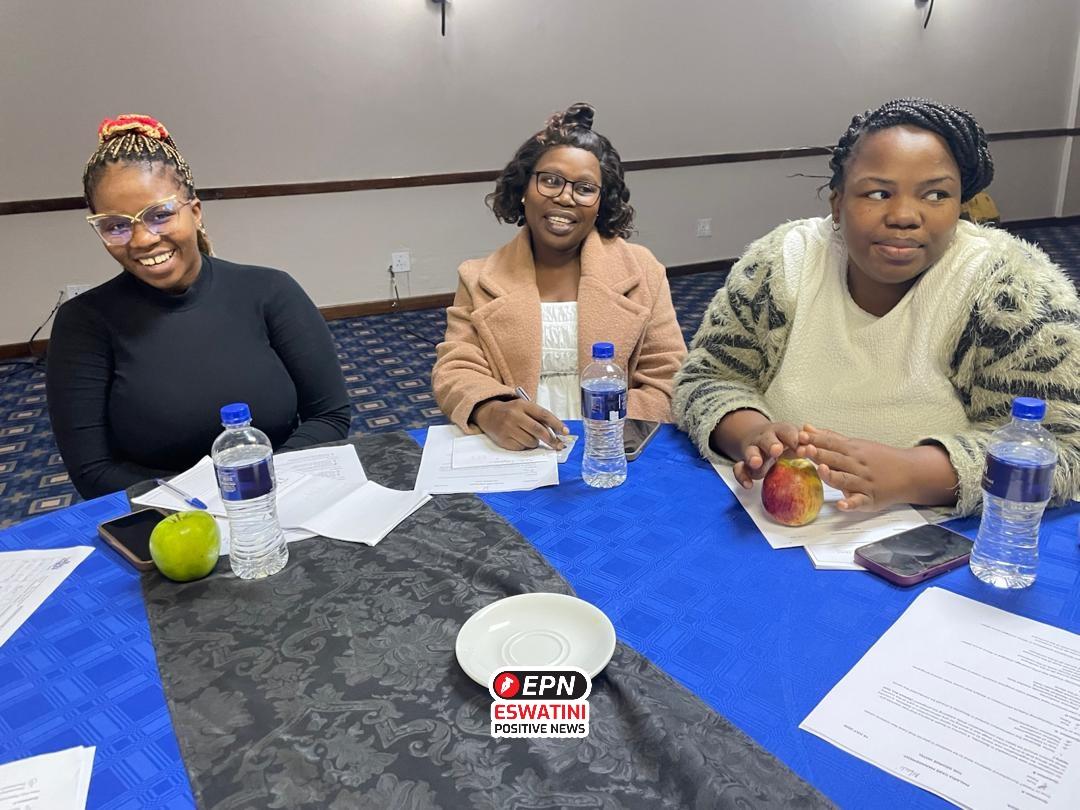
The training covered everything from vector biology and disease surveillance to proper use of the Immediate Disease Notification System (IDNS), which allows medical staff to report confirmed cases by simply dialling 977.
“Eswatini continues to experience seasonal spikes in malaria, especially around March and April,” shared one of the medical experts. “But thanks to improved case management, there’s already been a significant drop in infections compared to last year.”
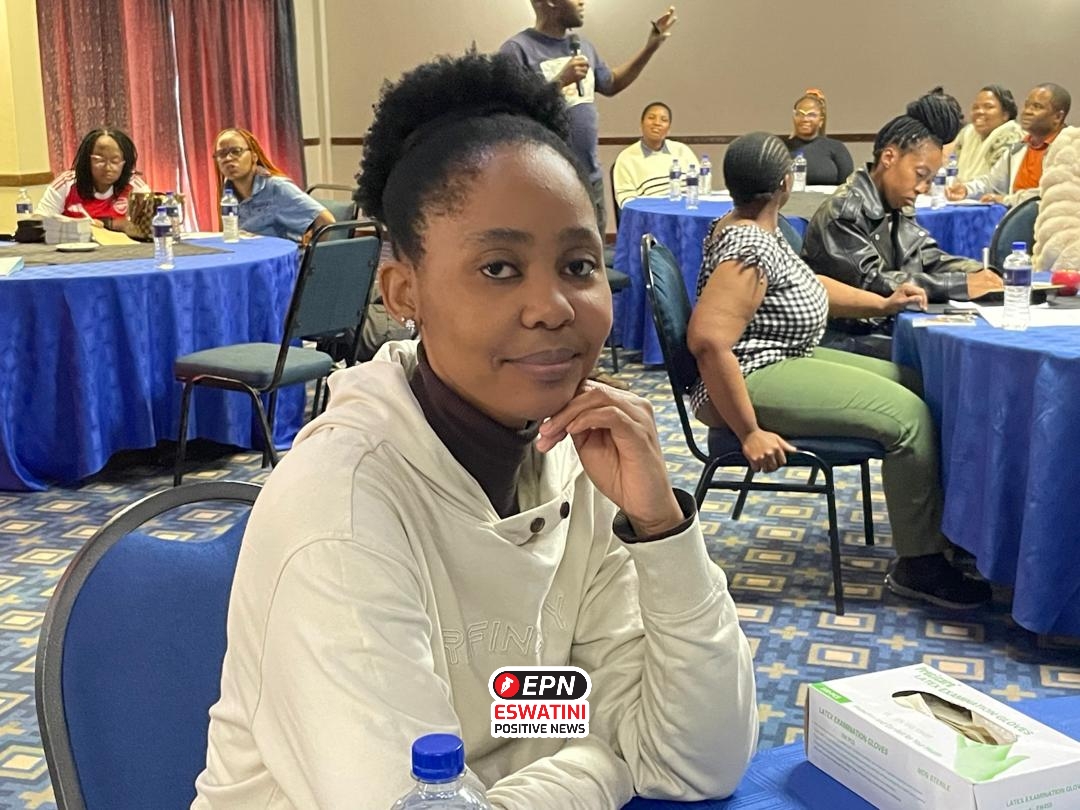
From practical case studies to detailed presentations on parasite-host interactions, the doctors engaged with complex topics like cerebral malaria, drug resistance, and severe anaemia , equipping them to save lives at both clinic and hospital level.
WHO facilitators also walked participants through the use of lifesaving treatment like artemether-lumefantrine and IV artesunate, especially in managing complicated malaria in vulnerable groups like children and pregnant women.
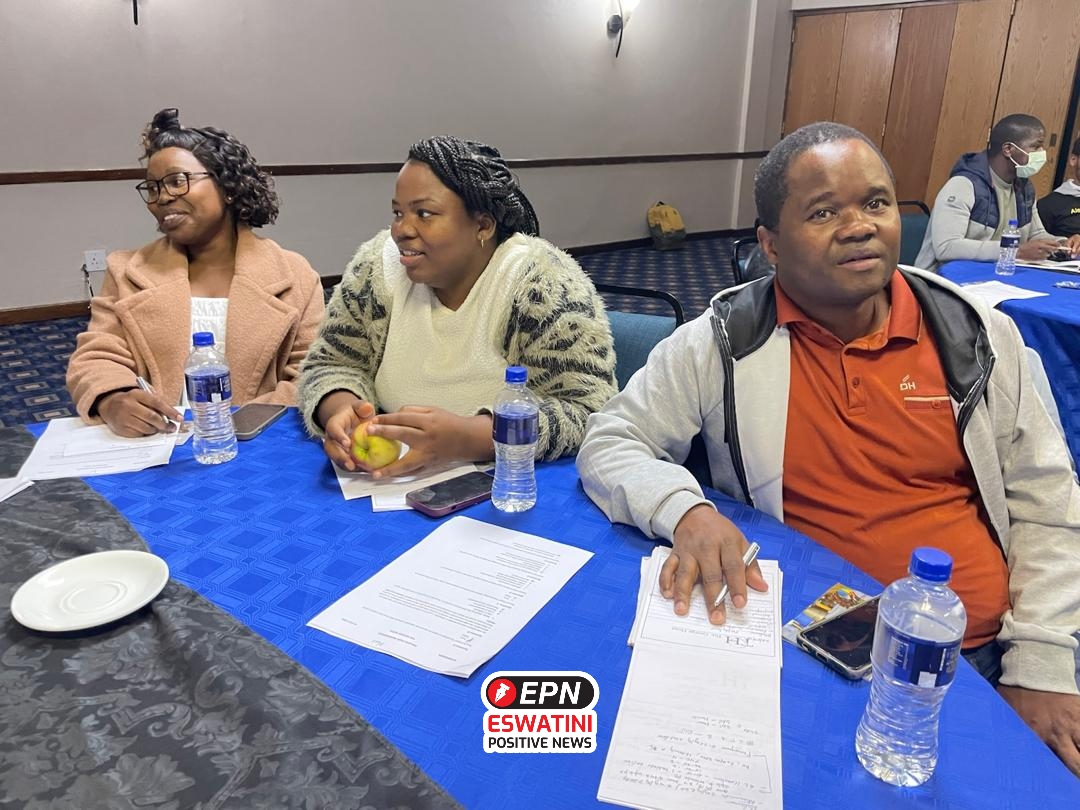
One of the standout components of the training was its focus on pre-referral treatment for severe cases. Doctors were trained on how to stabilise patients with intramuscular artesunate or quinine before transferring them to higher-level facilities for full management. In the words of one trainer: “Delays can be deadly, early treatment saves lives.”
This high-level capacity building is part of a broader push to drive down malaria cases and eventually halt local transmission altogether.
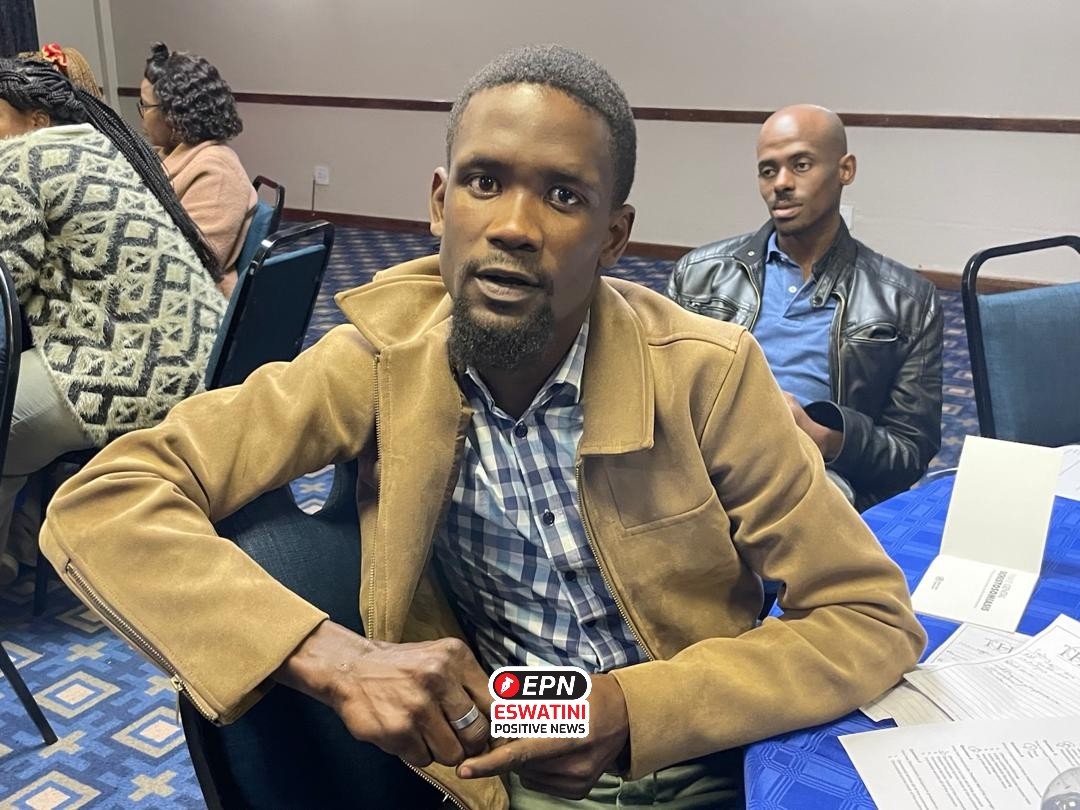
“The objective is not just about better treatment, it’s about eliminating the disease,” Mathobela noted. “We’re laying the foundation for stronger systems, smarter diagnosis, and community trust.”
The workshop also reinforced the importance of patient history and clinical judgment.
“Not every fever is malaria, and not every malaria patient presents with classic symptoms,” one specialist warned. “That’s why knowledge of travel patterns, exposure risks, and early signs is so vital.”
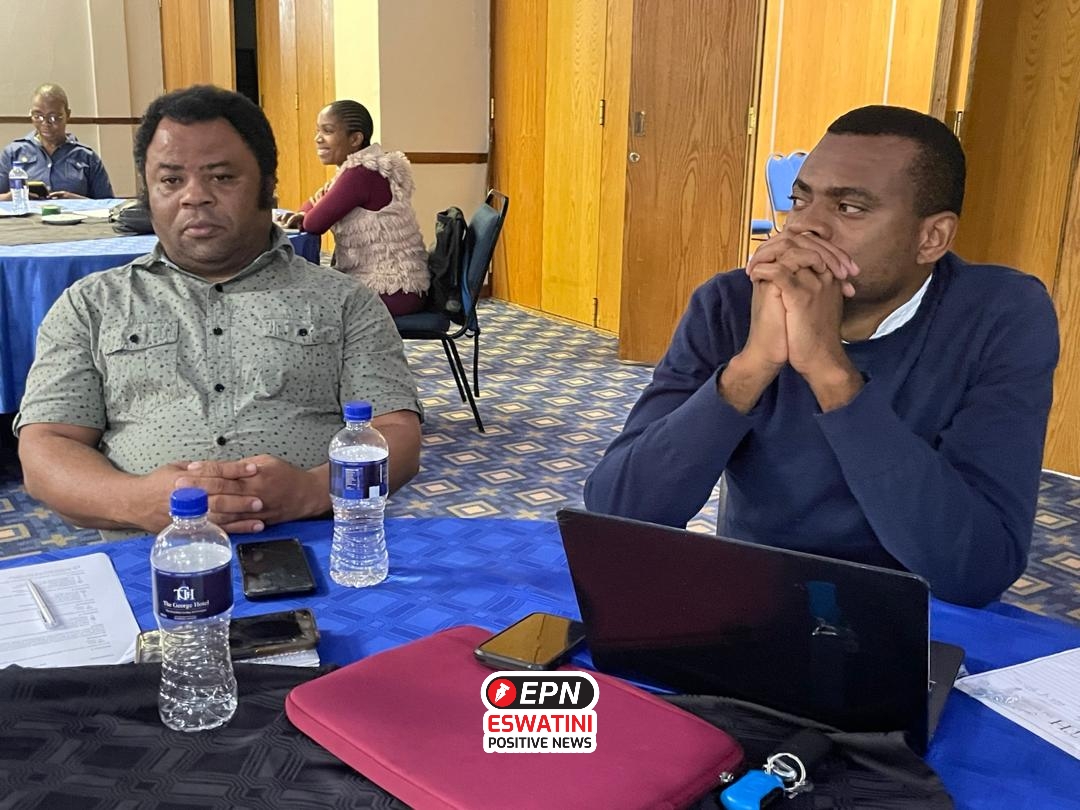
As Eswatini accelerates toward its goal of malaria elimination before 2028, the take-home message is clear: health workers must stay alert, informed, and connected.
With the NMP and WHO driving the agenda, the nation’s malaria response is becoming smarter, stronger, and more coordinated than ever before.