



BY GCWALISILE MHLABANE
MATSAPHA– The Kingdom of Eswatini has proudly hosted the 13th African Union Humanitarian Symposium, becoming the first Southern African nation to convene this landmark continental gathering.
Held from 27–29 November 2025 at Esibayeni Lodge in Matsapha, the symposium brings together leaders and delegates from AU Member States, AU organs, Regional Economic Communities (RECs), and a wide range of humanitarian partners. The event underscores Africa’s growing leadership in shaping its own humanitarian agenda and designing sustainable, home-grown solutions.
Convened under the theme “Spotlighting Crisis Hotspots: Triple Nexus Solutions through Inclusion and Solidarity,” the symposium confronts the rising complexity of humanitarian emergencies across the continent. African nations continue to grapple with crises fuelled by conflict, natural disasters, climate change, food insecurity, displacement, and public health emergencies. These interlinked challenges highlight the need for coordinated actions that bridge humanitarian response, long-term development, and peace-building efforts — the very essence of the AU’s Triple Nexus approach.
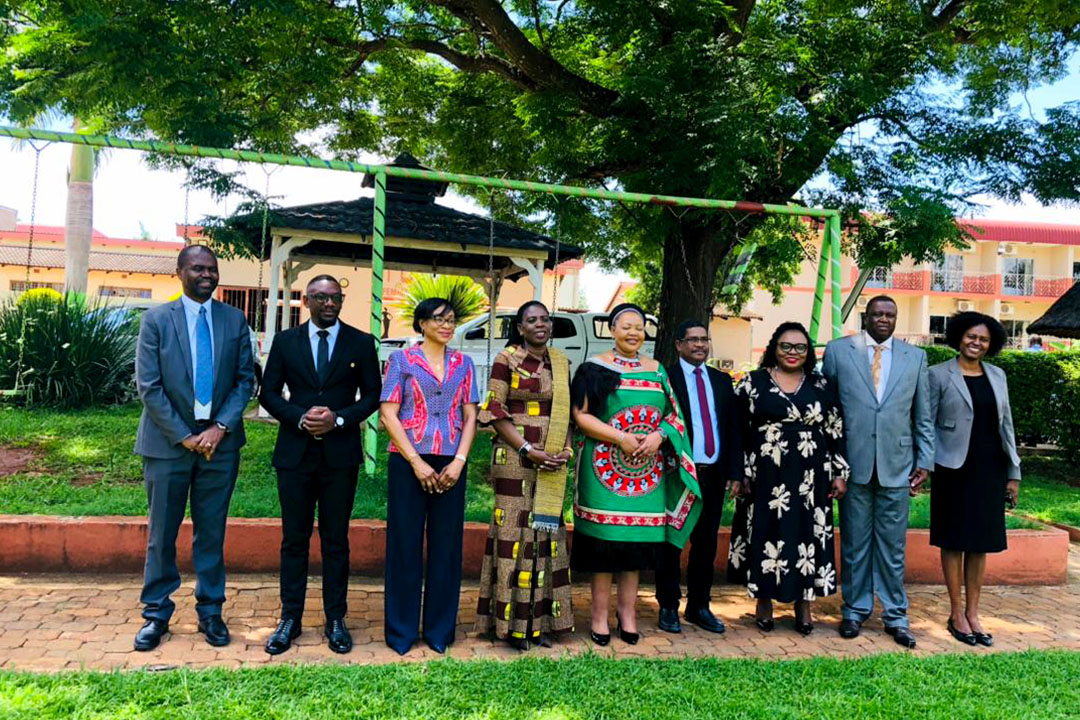
During the opening ceremony, Senator Pholile Shakantu, representing His Majesty King Mswati III and Her Majesty the Queen Mother, delivered a powerful address.

“We are deeply honoured to host the 13th African Union Humanitarian Symposium. This gathering highlights Africa in leadership, demonstrating our collective responsibility to address urgent humanitarian needs across the continent. Eswatini reaffirms its commitment to promoting constructive engagement and joint solutions that strengthen Africa’s humanitarian response.
“We acknowledge the support received from the AU Humanitarian Relief Fund, which has assisted our recovery from natural disasters such as cyclones, floods, and droughts. These experiences emphasise the importance of solidarity in responding to humanitarian crises.”
The symposium is set to deliberate on several pressing issues:
Mass Displacement: Millions of Africans continue to be displaced by conflict, climate-related events, and socio-political instability. Ensuring protection, adequate shelter, and sustained support for displaced populations remains a critical priority.
Food Insecurity and Malnutrition: Chronic hunger and malnutrition, worsened by climate shocks, economic instability, and disrupted supply chains, present an urgent challenge. Delegates will examine strategies for emergency food relief, nutrition programmes, and resilient food systems.
Health Emergencies: Limited healthcare access, disease outbreaks, and inadequate medical infrastructure continue to heighten vulnerabilities. Discussions will focus on strengthening health systems, expanding vaccination programmes, and improving emergency medical responses.
Climate-Induced Disasters: Increasingly frequent floods, droughts, and other climate shocks are destroying livelihoods and displacing communities. Efforts to enhance disaster preparedness and promote climate-resilient development are central to this year’s dialogue.
Gender-Based Vulnerabilities: Women, children, and other at-risk groups often bear the brunt of crises. Ensuring their protection, empowerment, and meaningful inclusion remains fundamental to humanitarian action.
A key pillar of the symposium is improving coordination across sectors, ensuring that humanitarian assistance is complemented by development planning and peace-building initiatives.
The gathering offers an important platform for policymakers, experts, and humanitarian actors to exchange knowledge, share best practices, and strengthen collective crisis-response mechanisms. By bringing together diverse stakeholders, the symposium reinforces Africa’s commitment to safeguarding its most vulnerable populations.
Eswatini’s hosting of this event signifies its growing leadership on the continent, demonstrating its ability to convene regional partners, facilitate dialogue, and champion African-led solutions. Delegates express optimism that the symposium will produce concrete outcomes to enhance disaster readiness, improve emergency response, and support long-term recovery efforts across Africa.
As deliberations continue, Eswatini stands as a symbol of solidarity and leadership, championing Africa’s capacity to address humanitarian challenges through cooperation, innovation, and resilience.