


BY MBONO MDLULI
MBABANE – Eswatini this week became the stage for a crucial African Union (AU) Peace and Security Council (PSC) meeting that placed civil society at the heart of conflict prevention in Southern Africa.
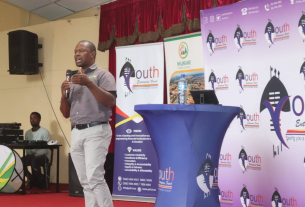
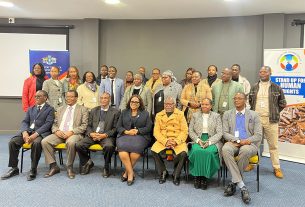
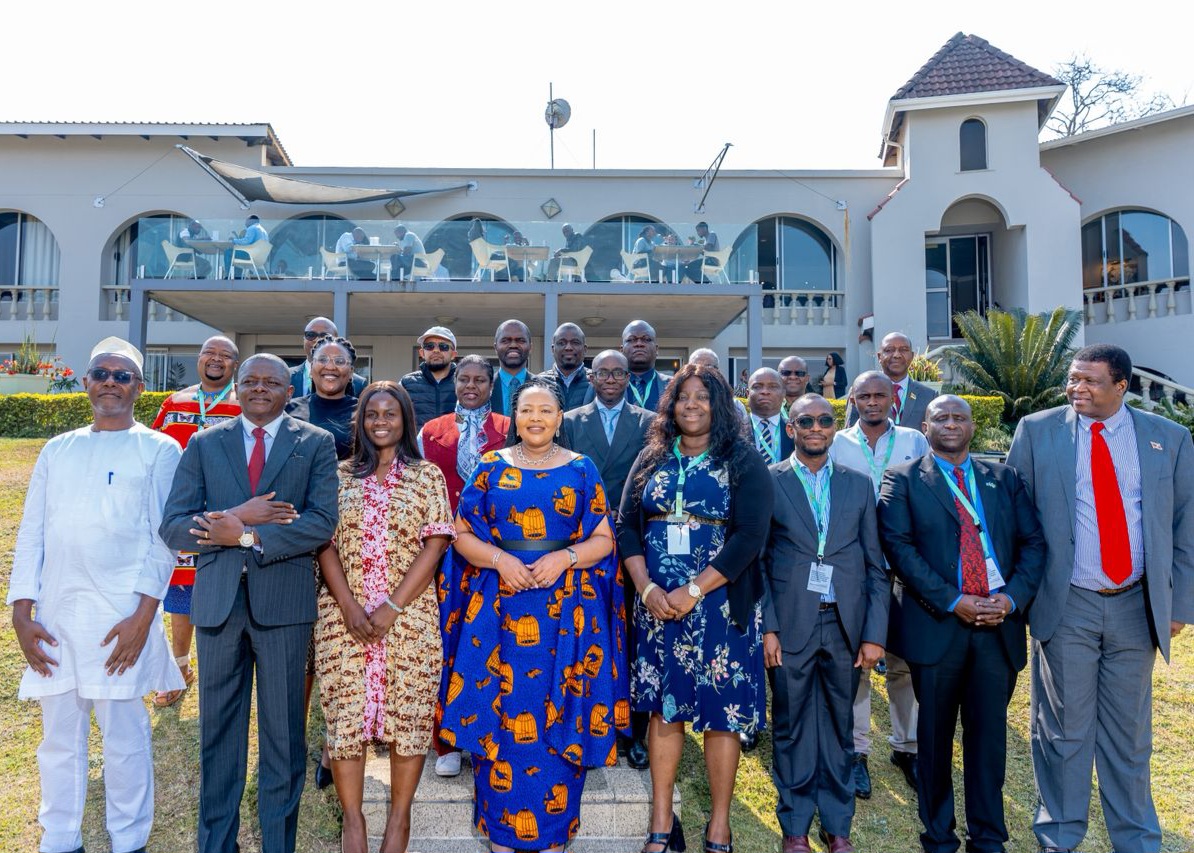
From August 25–28, 2025, government representatives, AU officials, SADC leaders, and members of the Economic and Social Council (ECOSOC) convened in Mbabane for a four-day regional workshop on Strengthening Early Warning and Government Monitoring Mechanisms. The event was facilitated by Thinking Africa in partnership with the AU, and brought together civil society organizations (CSOs), think tanks, and technical experts to enhance collaboration in building lasting peace.

Civil Society at the Forefront
Led by Dr. Said Abass Ahamed, Director of Thinking Africa, the workshop highlighted the critical role of CSOs as “frontline units” in identifying early warning signs, mobilizing communities, and driving mediation. Participants worked to expand CSO engagement under key continental frameworks, including the African Peace and Security Architecture (APSA) Roadmap 2021–2025, the SADC Strategic Indicative Plan for the Organ (SIPO II), and the AU’s Women, Peace and Security (WPS) and Youth, Peace and Security (YPS) agendas.
Building Lasting Structures
The workshop placed strong emphasis on:
Formalizing the Southern Africa CSO Early Warning Coalition, giving grassroots organizations a direct role in early warning and rapid response.
Developing regional digital tools for conflict monitoring and alerts, using technology to strengthen peace efforts.
Training CSOs in conflict analysis, mediation, digital tools, and data protection.
By blending local knowledge with continental strategies, the workshop reinforced community-driven and sustainable approaches to peacebuilding.
Government Support
As part of the initiative, the delegation paid a courtesy visit to Eswatini’s Minister of Foreign Affairs, Senator Pholile Shakantu, who praised the workshop’s achievements.
Minister Shakantu underscored the significance of the meeting within the APSA and CEWS frameworks, emphasizing that Article 12 of the PSC Protocol mandates collaboration between governments and CSOs for effective data collection, analysis, and response. She further highlighted that during its 1163rd Ministerial Meeting, the AU PSC reaffirmed the urgent need for inclusive, community-based approaches to Africa’s peace and development challenges.
A Path Toward Lasting Peace
By the close of the four-day workshop, participants had forged actionable partnerships, strengthened the operational capacity of CSOs, and laid out a framework for ongoing cooperation between civil society and state institutions.
This milestone in Mbabane represents not only Eswatini’s commitment to peace but also a transformational shift in Africa’s security architecture—placing people and communities at the center of sustainable conflict prevention.
(Courtesy Pics)