


BY MFANUFIKILE KHATHWANE
MBABANE – Eswatini has taken a significant step toward evidence-based development planning with the introduction of the Integrated Planning and Reporting Toolkit (IPRT), a digital system designed to align national priorities with global and regional development goals.
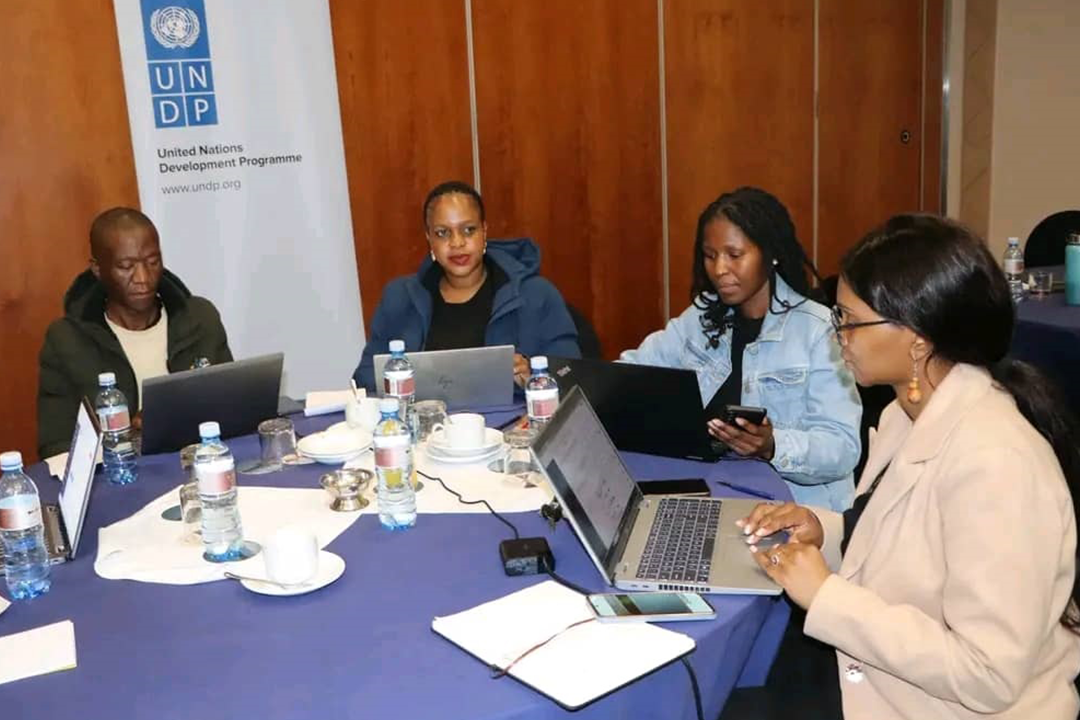
This week, about 30 economists and monitoring and evaluation officers from various government ministries were trained on the toolkit, which is expected to enhance the country’s capacity to track progress and measure the impact of development programs.
The IPRT links Eswatini’s National Development Plan with the Sustainable Development Goals (SDGs) and the African Union’s Agenda 2063, ensuring that planning, budgeting, and reporting are better coordinated.

The training was conducted jointly by the UN Economic Commission for Africa (UNECA) and the Ministry of Economic Planning and Development (MEPD), with technical support from UNDP Eswatini under the Government Cost Sharing facility—an initiative through which the Government of Eswatini funds UNDP to implement targeted development projects.

UNDP Resident Representative Henrik Franklin said the initiative underscores Eswatini’s commitment to data-driven development and transparent governance.
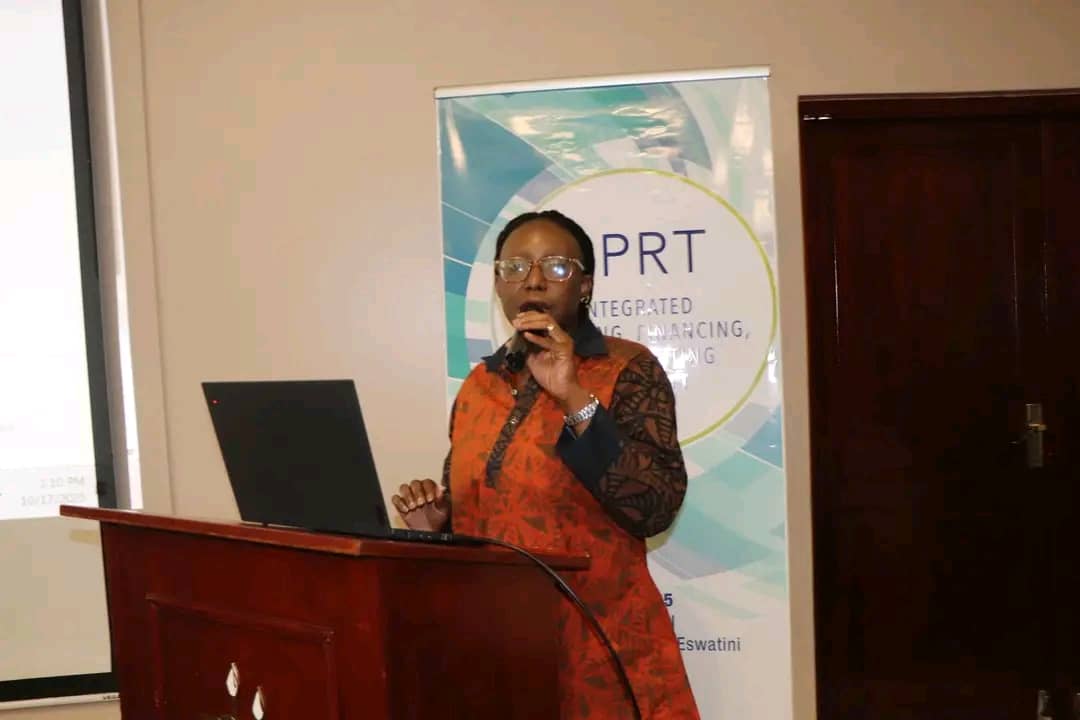
“The toolkit supports the mainstreaming of the SDGs into national planning and budgeting systems while improving monitoring and parliamentary oversight,” Franklin said.
Principal Economist Lungile Mndzebele-Dladla, from MEPD’s Poverty Reduction and M&E Division, highlighted that poverty remains one of the country’s most pressing challenges, with 58.9% of the population living in poverty and 20% in extreme poverty, according to national statistics. She noted that the IPRT will help the government design and monitor more targeted interventions.
“Reducing poverty is about focusing on the family structure and strengthening livelihoods,” she said.
The training coincided with the International Day for the Eradication of Poverty, marked globally on October 17, emphasizing Eswatini’s determination to use technology, data, and partnerships to transform planning systems and improve the well-being of all citizens.