


BY MFANUFIKILE KHATHWANE
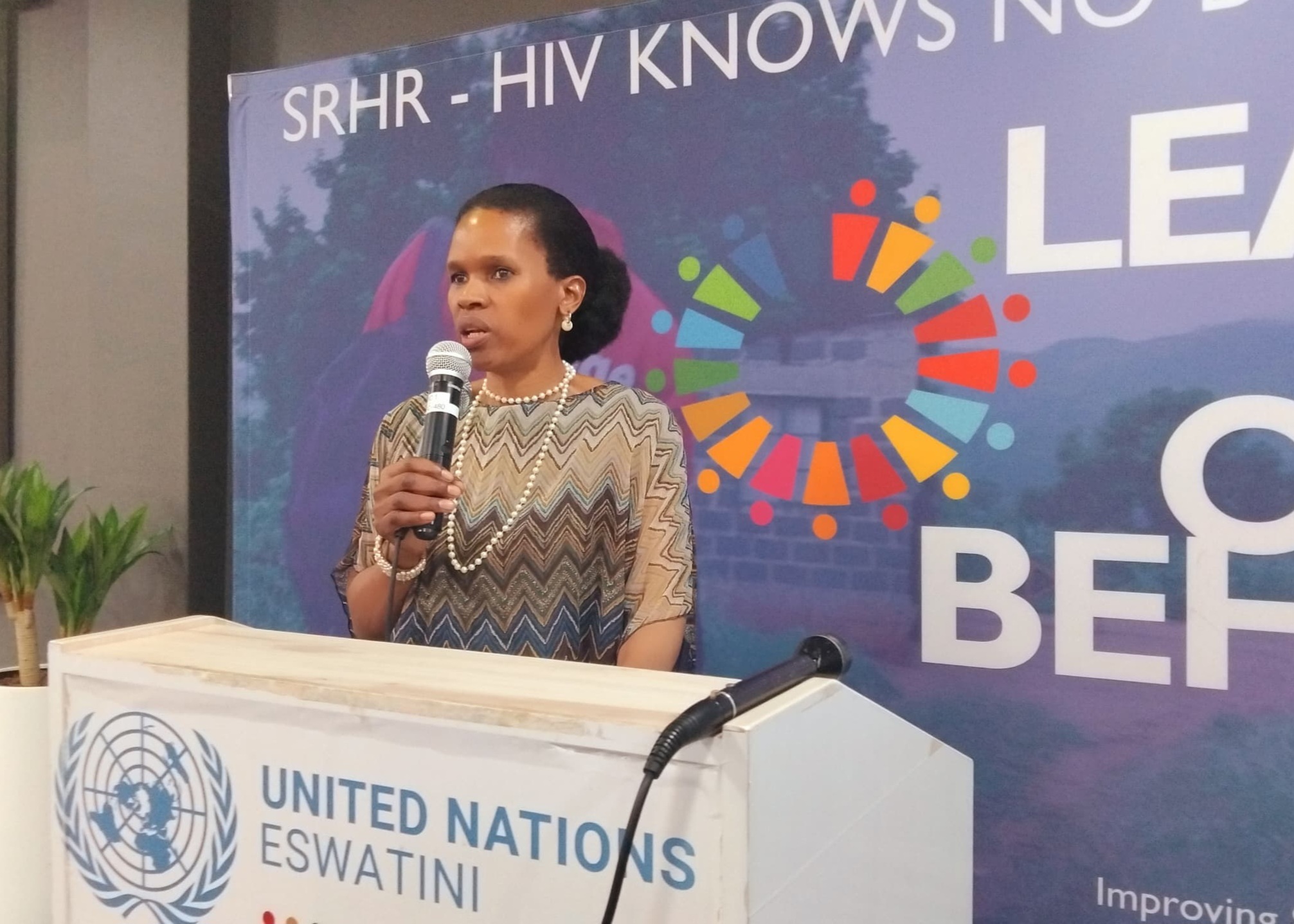
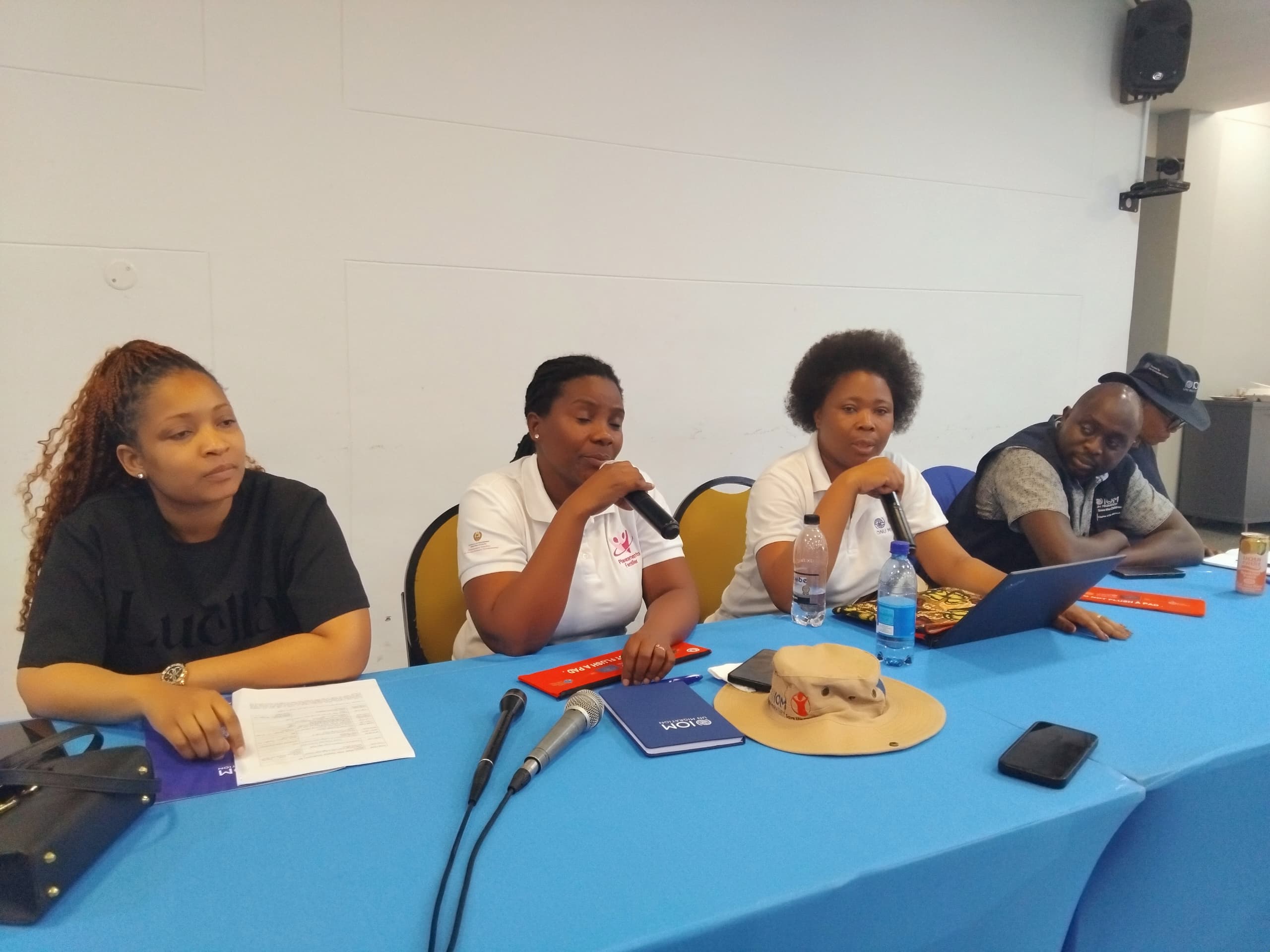
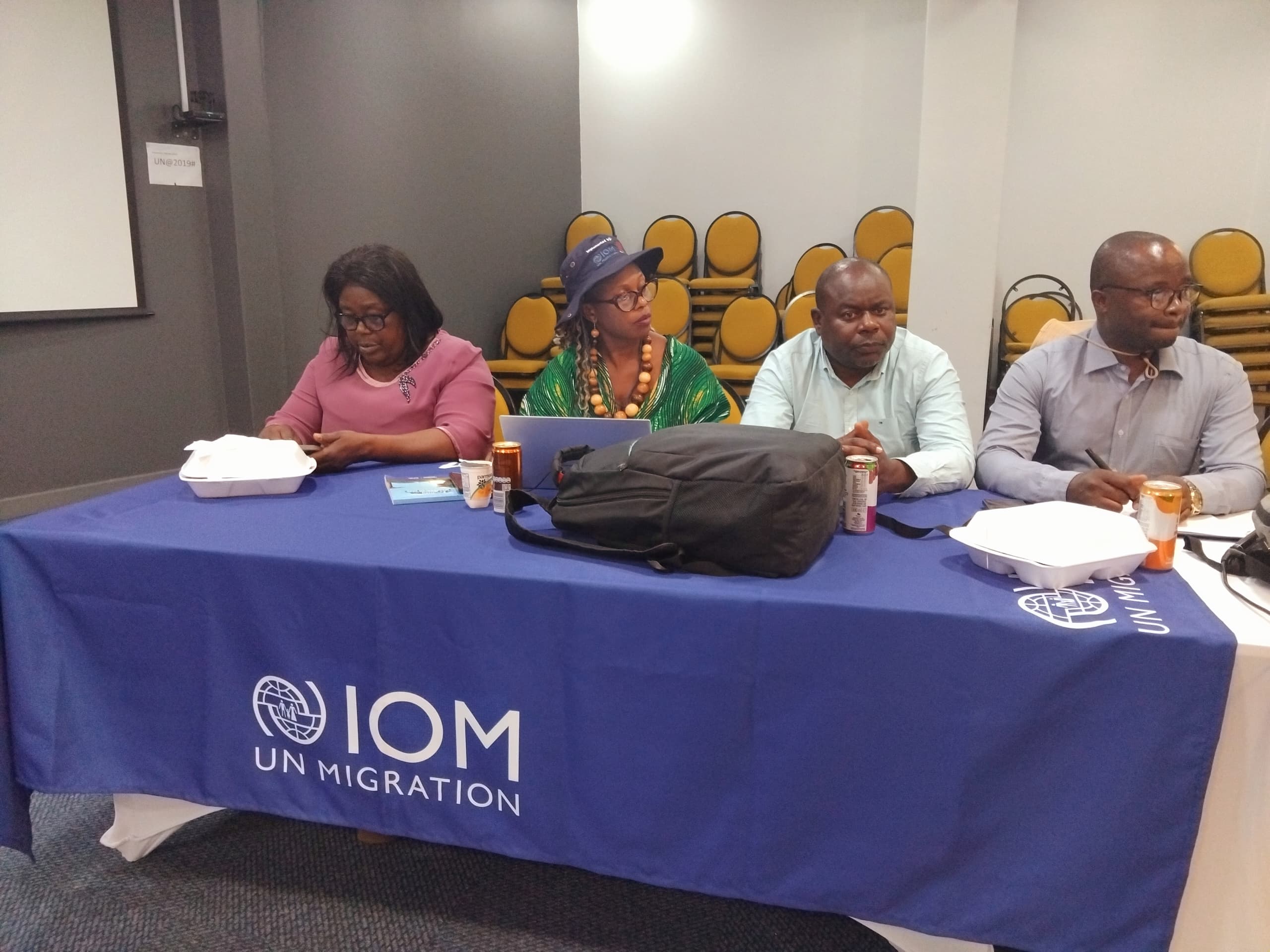
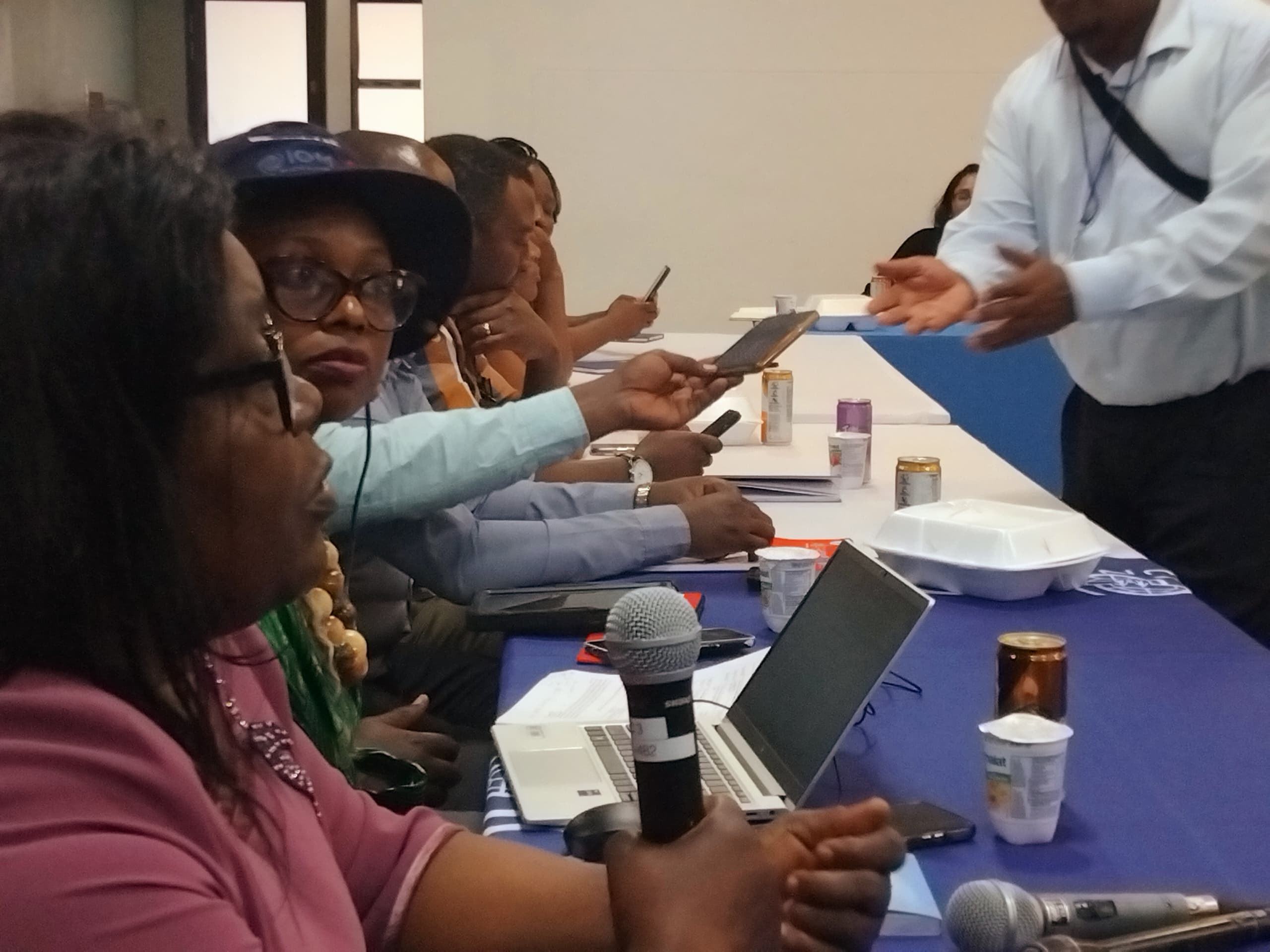
MBABANE – The Government of Eswatini, through the Ministry of Health, hosted regional health delegates from September 16,to 19, 2025 which was to showcase innovative migration health systems, strengthen cross-border care, and share best practices with the Southern African Development Community Secretariat, the International Organization for Migration, and the United States Centers for Disease Control and Prevention, as well as member states.
Migration has long been a cornerstone of development and progress in Southern Africa, with low-skilled labor migrants and cross-border populations contributing significantly to regional economies. Yet, access to health services remains a challenge for many, particularly those moving through informal border crossings or working in sectors with limited social protection.
Eswatini has emerged as a regional leader in integrating migration health data into national health information systems, offering an innovative model for tracking health outcomes among mobile populations.
Through the Client Management Information System (CMIS), migrants are registered using national IDs or unique identifiers, allowing healthcare providers to monitor treatment continuity and clinical history even across borders.

The CMIS is interoperable with the National Vital Registration System and is currently being digitized at ports of entry to further strengthen cross-border health monitoring.
Dr. Nhloniphile Mabuza, Regional Migration Health Coordinator at IOM, highlighted the importance of such systems in ensuring that migrants do not miss critical treatment as they move between countries. “Some countries struggle with migrants accessing care, particularly across borders. Eswatini’s system provides a model that allows continuity of treatment, even when clients are in another country,” she said.
Zanele Simelane, Acting Chief Strategic Information Analyst at the Ministry of Health, added that the program is already 80% functional, with private sector facilities set to join soon, expanding its reach.
The learning visit follows a series of regional initiatives under the Know No Borders project, including cross-border forums and coordination meetings, which aim to improve sexual and reproductive health, HIV services, and public health responses for migrant communities.
By sharing its experience, Eswatini reinforces its commitment to inclusive health systems and regional cooperation, offering valuable lessons for countries across Southern Africa.
(Courtesy Pics)