



By Mbono Mdluli
MBABANE – As global health experts push for a smoke-free future, Eswatini is being called to review its stance on tobacco harm reduction and adopt science-based approaches that could save lives.
Despite having regulations that restrict public smoking and control tobacco advertising, Eswatini currently lacks a formal policy on harm-reduction alternatives such as heated tobacco products and nicotine pouches. These products have been shown to significantly reduce exposure to harmful chemicals compared to traditional cigarettes.
Speaking at the Technovation 2025 Summit held in Cape Town, Branislav Bibic, Area Vice President for Philip Morris International (PMI) in Sub-Saharan Africa, stressed the urgency of modernising tobacco control strategies across the continent. He noted that the number of smokers in Sub-Saharan Africa is projected to reach 84 million by 2025, warning that outdated policies put the region at risk of falling behind. “Science, not sentiment, should guide public health. Let’s not get left behind,” Bibic urged.

Eswatini, where smoking remains common among both adults and youth, faces similar challenges. According to 2022 statistics, 14.6% of males and 1% of females aged 15 and older in the country are smokers—an overall adult smoking prevalence of 7.6%, up slightly from 7.4% in 2020. The number of adult smokers increased from 51,665 in 2020 to 55,133 in 2022.

Experts at the summit emphasised the importance of education, informed regulation, and access to less harmful products. Buhle Binta, Head of Scientific Engagement for PMI in the region, pointed to widespread misconceptions: “Over 80% of South African healthcare professionals incorrectly believe nicotine causes cancer. The same myths persist in Eswatini.”
However, some local health officials remain cautious. A health promotion officer based in Manzini stated, “We are not keen on any industry interest because tobacco is harmful regardless of how it is consumed.” He clarified that while nicotine causes addiction, it is not the direct cause of cancer.
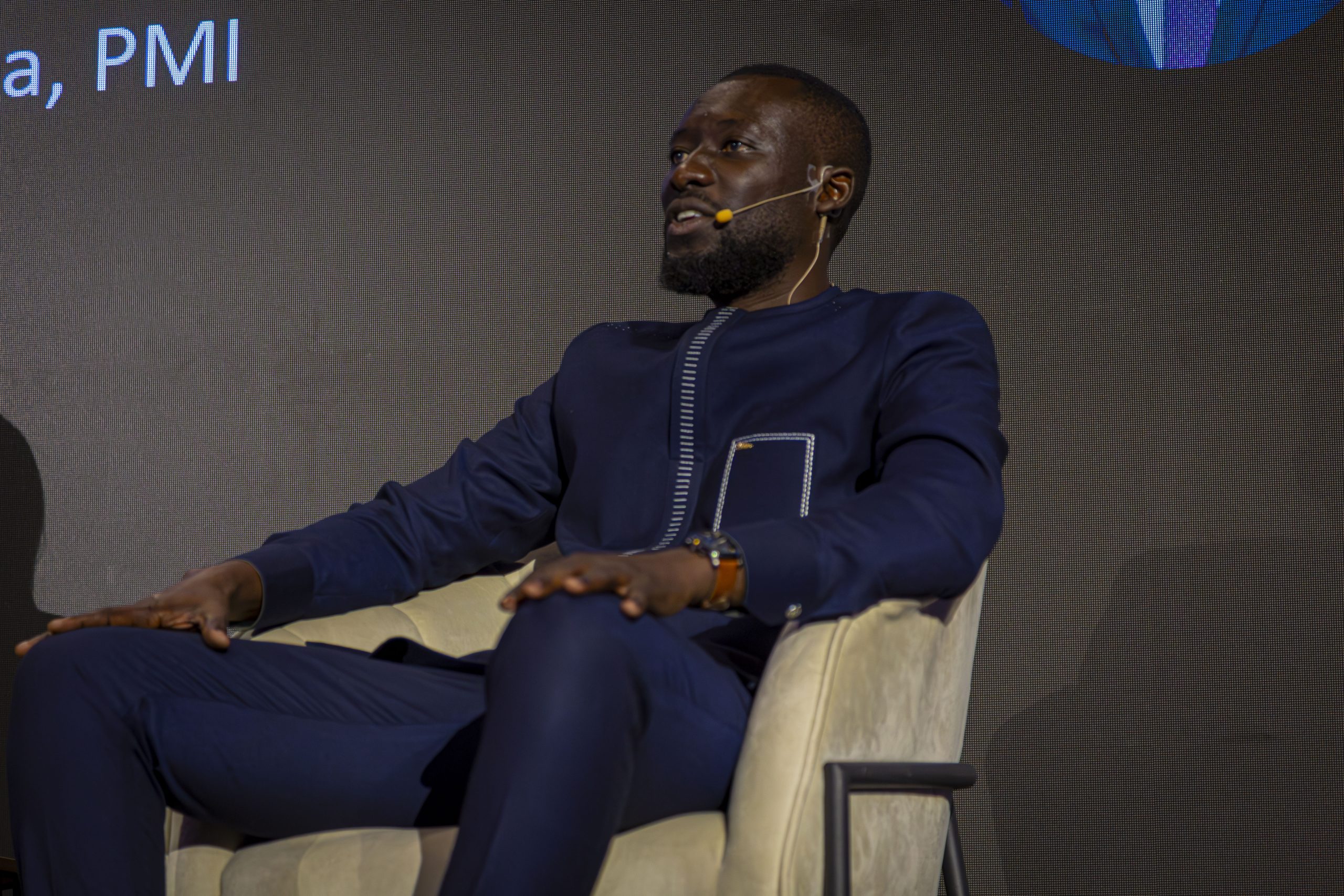
The message from the summit was clear: while quitting tobacco altogether remains the ideal, offering scientifically validated alternatives could be key to reducing the burden of smoking-related disease. “If you don’t smoke, don’t start. If you do, quit. But if you can’t quit—change.”
(Courtesy Pics)