


BY PHESHEYA IAN KUNENE
(Pics: Ministry of Commerce)
MBABANE – The African Trade Observatory (ATO) Technical Workshop on Trade in Travel Services kicked off today at the Hilton Garden Inn Hotel in Mbabane.
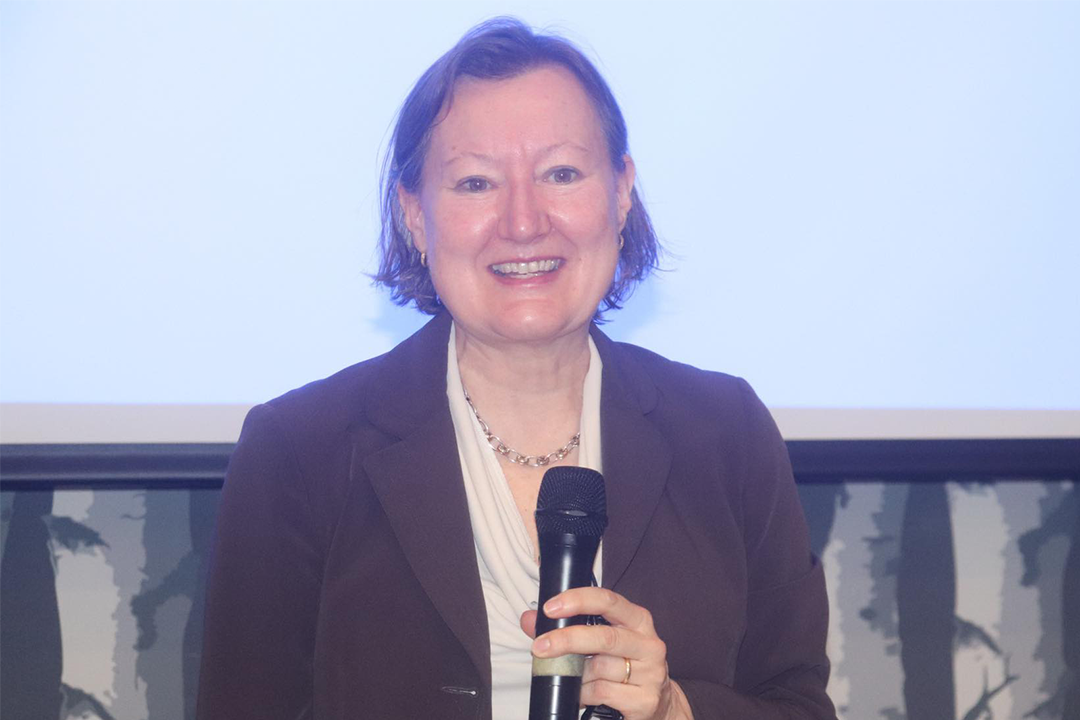
The European Union’s (EU) Head of Cooperation to Eswatini, Eva-Maria Engdahl, opened the session with remarks emphasizing the crucial role of travel services in economic development.
Engdahl pointed out that travel services, including tourism, transportation, and hospitality, are key drivers of economic growth.

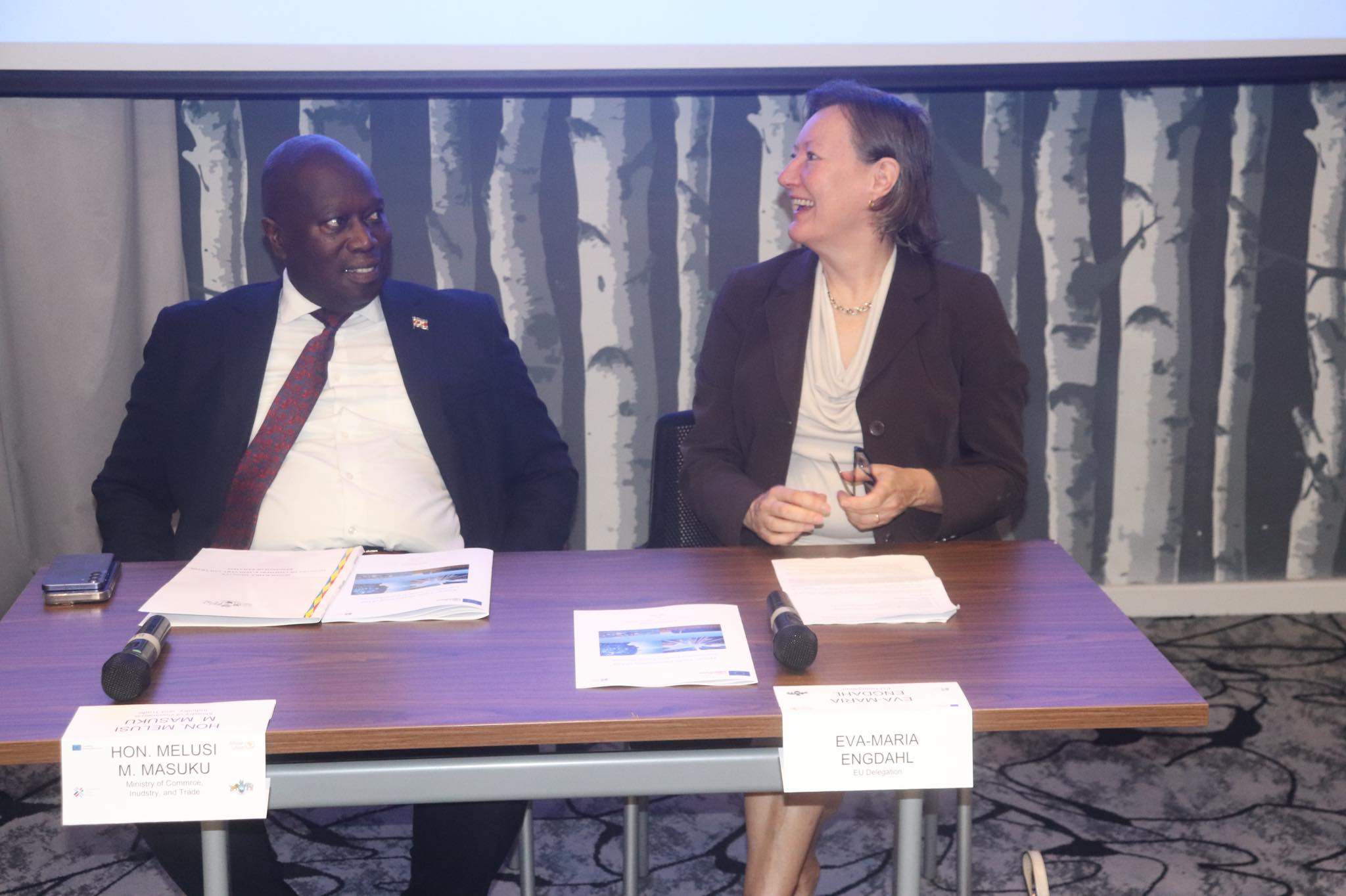
“In Europe, tourism alone contributes 10% of our GDP,” she said. “This sector is vital for creating jobs and fostering cross-cultural connections.”
She highlighted the importance of reliable trade data for improving competitiveness and unlocking the potential of Eswatini’s travel services sector.
Engdahl shared that the EU has invested over €10 million (210 million Emalangeni) in the African Trade Observatory (ATO) to help African countries, including Eswatini, build better data systems. This will support more informed decision-making and improve access to trade opportunities.
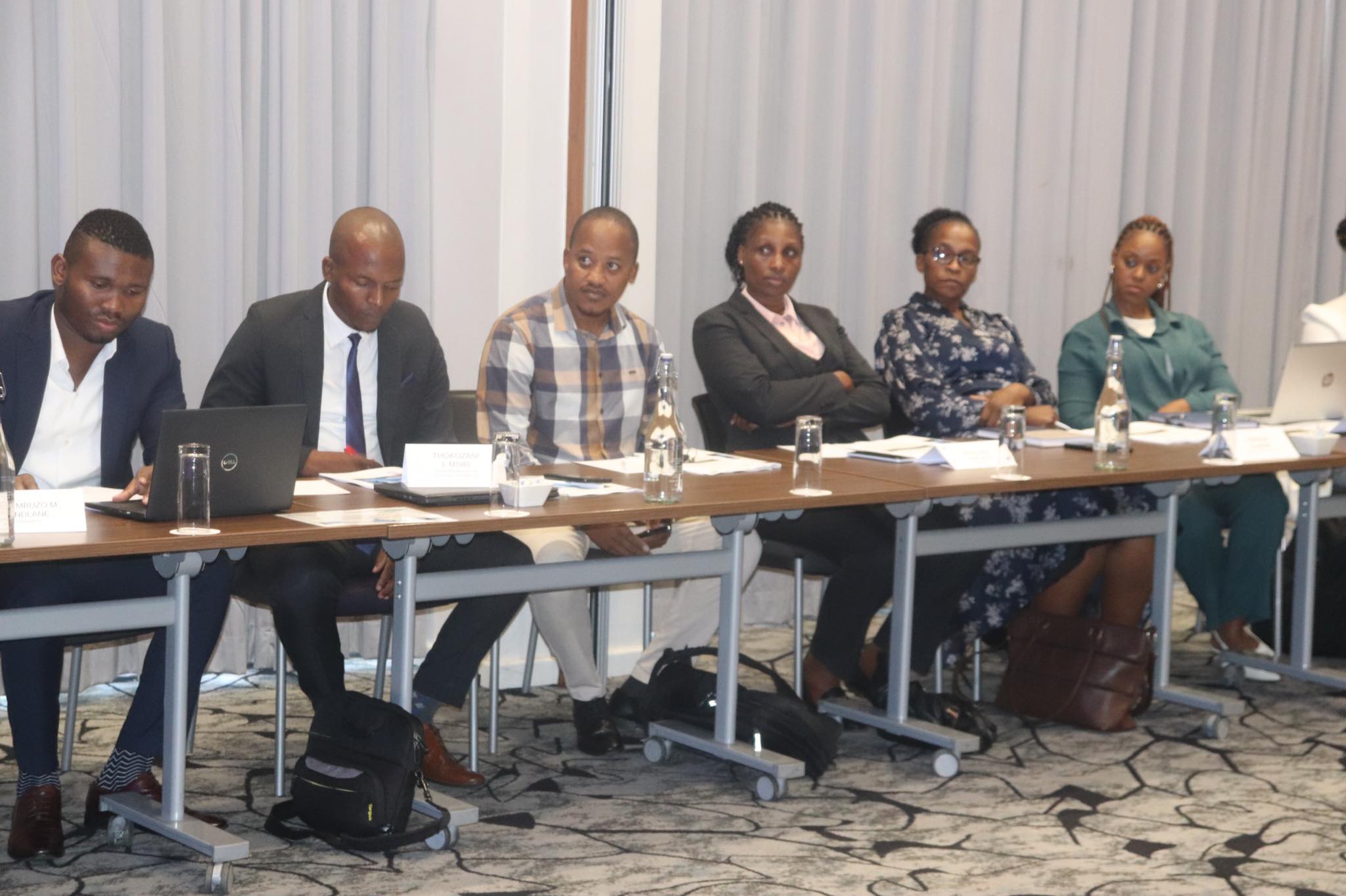
The workshop, part of a broader EU-funded initiative, is bringing together key stakeholders from Eswatini’s government, private sector, and academic institutions. Engdahl expressed confidence that the workshop would strengthen Eswatini’s ability to manage and analyze trade data, ultimately benefiting the country’s economic development goals.
Engdahl also emphasized that the data-driven approach of the ATO is essential for Eswatini to better integrate into regional trade initiatives, particularly the African Continental Free Trade Area (AfCFTA). “Eswatini is positioning itself as a key player in the Southern African region. Tools like the ATO will help achieve that goal,” she stated.
By the end of the three-day workshop, participants will have gained practical skills in data management and explored successful models for trade in services. These efforts are seen as a critical step in boosting Eswatini’s competitiveness and contributing to Africa’s long-term economic integration under the African Union’s Agenda 2063.

In conclusion, Engdahl reiterated the EU’s commitment to supporting Eswatini’s growth, noting that collaboration between the EU, Eswatini, and other partners is key to unlocking the country’s potential in the global market. “We are not just here to share knowledge but to build lasting partnerships that will drive sustainable development,” she said.
Eswatini’s services sector accounted for over 51% of the country’s GDP in 2023, with travel services playing a critical role in job creation and foreign exchange earnings. However, the country has faced challenges due to gaps in trade data, which has limited its participation in continental trade initiatives like the AfCFTA.
Through the ATO, Eswatini aims to improve its data systems, enabling more effective engagement in regional and global trade. This is a key step in realizing the goals outlined in the African Union’s Agenda 2063 for a more integrated and prosperous Africa.