


By Mbongeni Ndlela
MBABANE – Eswatini’s economic journey is gaining international recognition, with the International Monetary Fund (IMF) expressing confidence in the country’s strengthened growth outlook and reform agenda.
In its latest Article IV Consultation, the IMF projects Eswatini’s economy to grow robustly to 4.3% in 2025 and 4.6% in 2026, buoyed by increased domestically financed investments and reform efforts.
Positive Economic Outlook
The IMF Executive Board welcomed Eswatini’s improving near-term economic prospects despite global headwinds. The country’s inflation slowed to an average of 4% in 2024, thanks to easing housing, utilities, and food prices. This economic stability provides a solid foundation for the government’s ongoing fiscal and structural reforms.

Looking ahead, the IMF expects growth to be driven by public and private capital projects that are already underway. If implemented effectively, these projects have the potential to reshape Eswatini’s economic landscape, creating new opportunities for investment and employment.
Reform Pathway Gaining Momentum
The IMF Directors applauded the government’s commitment to fiscal consolidation, aimed at reducing borrowing costs and creating space for critical social and development spending. They emphasized the need to sustain fiscal discipline, particularly given the fluctuations in Southern African Customs Union (SACU) revenues.
They also welcomed Eswatini’s public financial management reforms, calling for continued efforts to improve the efficiency of public spending, reduce arrears, and enhance revenue mobilization. Strengthening central bank independence and aligning interest rates with South Africa’s Reserve Bank were highlighted as important steps to support the pegged exchange rate and bolster foreign reserves.
Focus on Private Sector Growth
A key highlight of the IMF’s assessment is the emphasis on private sector-led growth. The Fund encouraged the government to continue addressing skills gaps and infrastructure challenges, which are essential for unlocking investment and creating jobs, particularly for Eswatini’s youth.
The IMF also recognized progress in strengthening governance, financial sector oversight, and the implementation of recommendations from the Financial Sector Stability Review. These reforms are critical for maintaining financial stability and fostering investor confidence.
Shared Vision for Inclusive Development
While Eswatini still faces challenges, such as high unemployment and income inequality, the IMF’s report underscores the significant progress made and the clear path forward. Through prudent economic policies, strategic investments, and ongoing reforms, Eswatini is positioning itself for sustainable, inclusive growth that benefits all emaSwati.
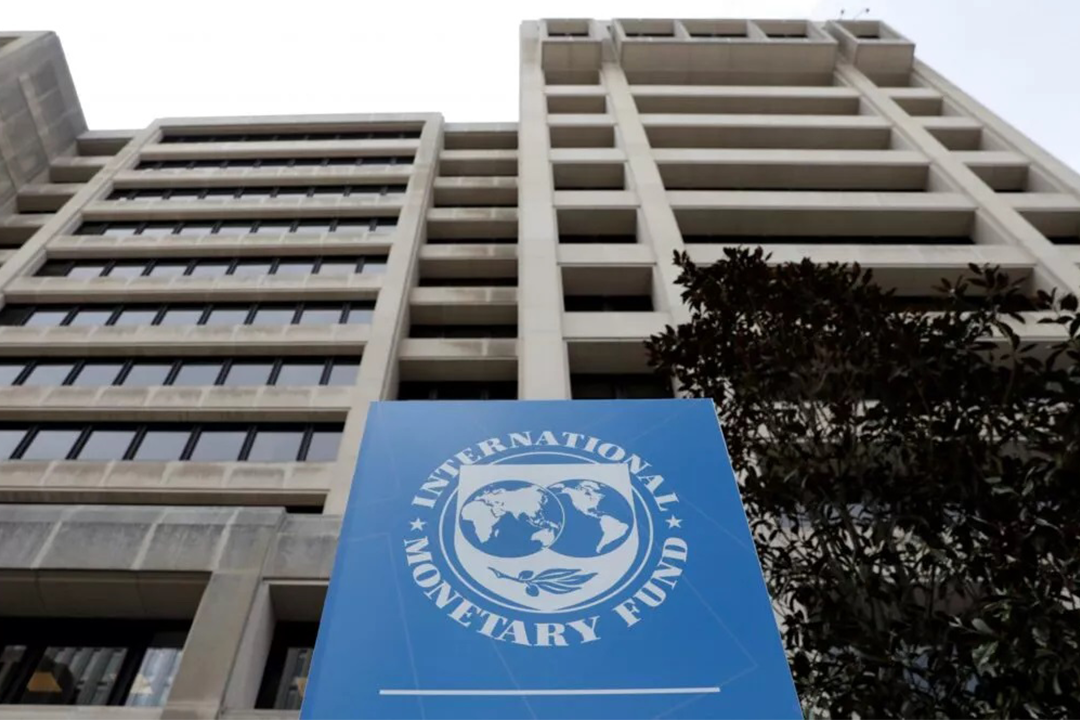
( Courtesy Pic)