


BY MBONO MDLULI
MBABANE – For the first time in the history of His Majesty’s Correctional Services (HMCS), selected inmates were granted the opportunity to attend the Incwala ceremony, marking a significant milestone in the country’s approach to rehabilitation and reintegration.
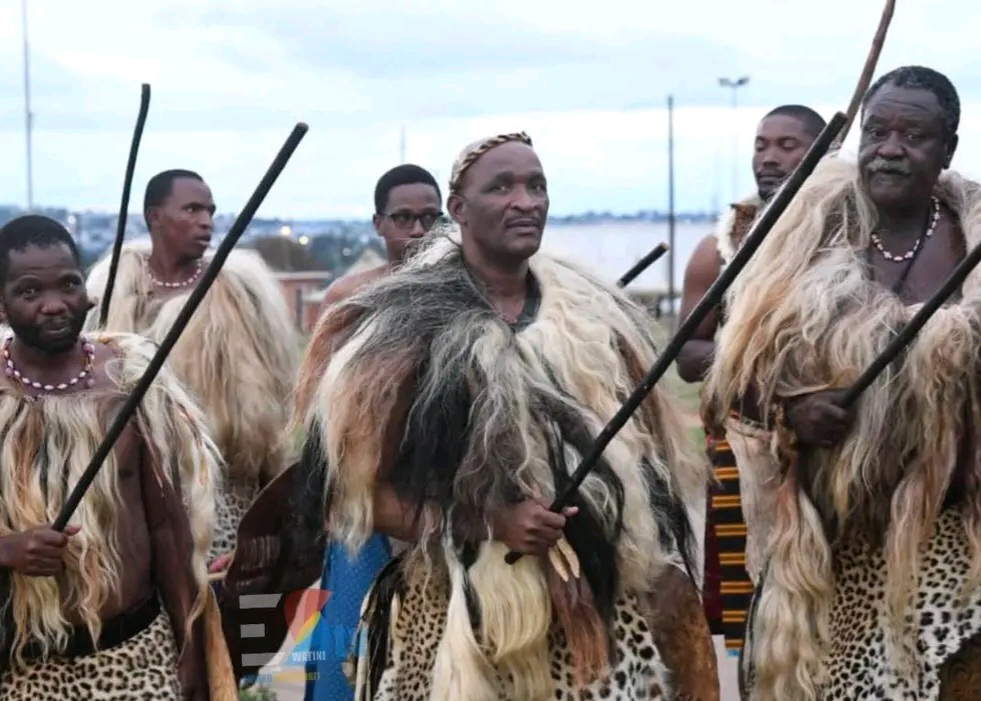
The historic decision reflects a growing recognition that culture and tradition can play a powerful role in personal transformation, moral renewal, and social healing. The inmates were seen wearing the traditional regalia which is usually worn during Incwala. They were seen at Ngabezweni Royal Residence during the ongoing Incwala ceremony.
Among those who participated was former politician Ntuthuko Dlamini, who is currently serving murder sentences at a correctional facility. His inclusion, alongside other inmates, symbolised HMCS’s commitment to treating rehabilitation as a holistic process—one that goes beyond confinement to address identity, values, and personal growth.
The Incwala ceremony, the kingdom’s most important cultural event, is deeply rooted in discipline, unity, and respect for tradition. By allowing inmates to take part, HMCS aimed to reconnect them with these foundational principles. Officials emphasized that cultural participation can help individuals reflect on their lives, rediscover a sense of belonging, and strengthen moral responsibility—key elements for meaningful change.
According to HMCS, the initiative is guided by the belief that transformation begins from within. Exposure to the rituals, discipline, and shared heritage of Incwala provides inmates with an opportunity to reconnect with their cultural identity and reaffirm values such as respect, accountability, and self-discipline. These experiences are seen as essential in preparing inmates for successful reintegration into society upon release.
The presence of inmates at Incwala also sent a broader message of hope and inclusion. It demonstrated that rehabilitation is not solely about punishment, but about restoring dignity and encouraging positive change. By engaging inmates in national traditions, HMCS reinforced the idea that every individual remains part of the community and has the potential to contribute positively in the future.
This year’s Incwala therefore carried a deeper meaning, highlighting the evolving role of correctional services in nation-building. The initiative was widely viewed as a progressive step toward a more compassionate and effective justice system—one that balances accountability with opportunities for growth.
As HMCS continues to explore culturally grounded rehabilitation programs, the participation of inmates in Incwala stands as a powerful example of how tradition can be harnessed to inspire renewal, responsibility, and hope for a better tomorrow.