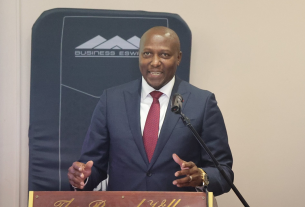



BY MBONO MDLULI
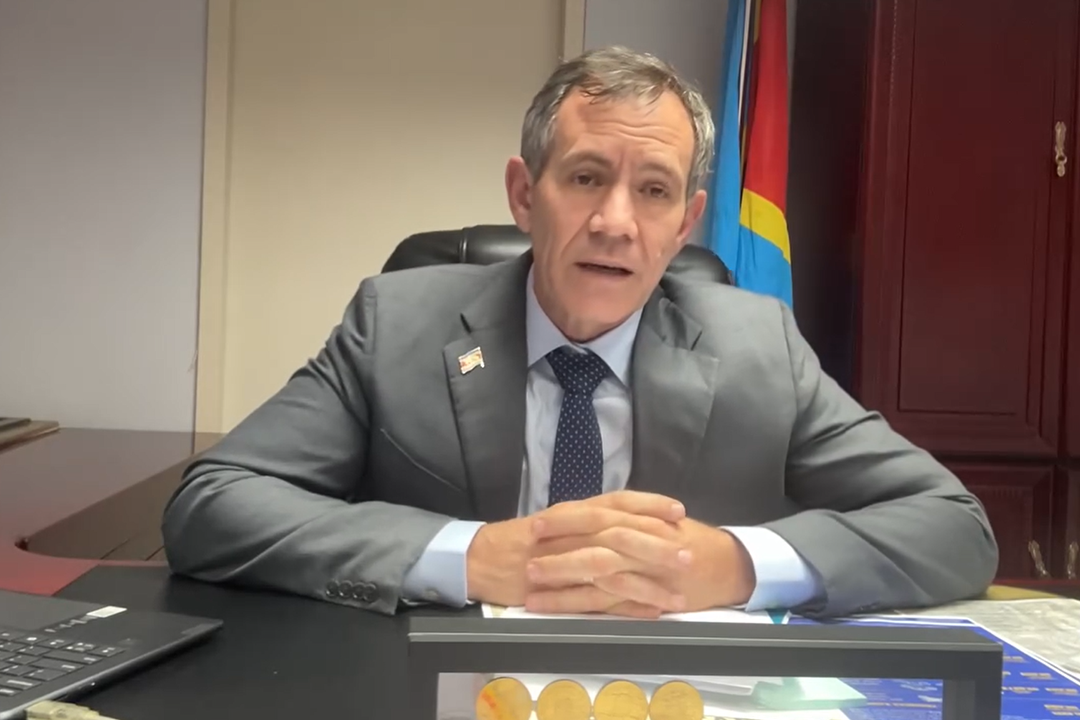
MBABANE – Minister of Finance Neal Rijkenberg has reassured government employees that salary payments for October 2025 will begin on 27 October, easing concerns following reports of payment delays.
Speaking during his #FinanceInFocus programme on Friday, 24 October 2025, Minister Rijkenberg reaffirmed government’s commitment to honouring the scheduled payment date, while also highlighting the progress made in the civil service salary review.
He described the salary adjustment as both well-deserved and long overdue, recognising the vital contribution of public servants to Eswatini’s development.
“Civil servants deserve the salary review they have been awarded. It is a recognition of the important services they deliver to the people of Eswatini,” he said.

The minister explained that the implementation of the new salary structure had necessitated adjustments to the national budget, particularly in managing the government wage bill. He revealed that the wage bill, currently around E800 million, could rise to approximately E1 billion next year as a result of the salary review.
Despite this increase, Rijkenberg assured the nation that government would not rely on external borrowing to cover the wage bill. Instead, he said, the Ministry of Finance would reallocate funds and identify areas where spending could be reduced.
“Next year, we will not necessarily take loans to pay salaries. We will look at cutting certain expenditures to accommodate the increased wage bill,” he explained, adding that some capital projects might be deferred to prioritise salary payments.
While acknowledging that the revised salaries would place additional pressure on the national budget, the minister expressed optimism about the country’s fiscal trajectory. He noted that over the past seven years, Eswatini had made significant progress in reducing its wage bill from 42% to 32% of total government expenditure — a remarkable achievement that placed the country on a stronger financial footing.
“A few years ago, Eswatini had one of the highest wage bills in the region. We have worked hard to bring it down to 32%, and although it will now rise to about 36% due to the review, this is still a manageable level,” Rijkenberg said. “Our long-term goal is to reduce it to around 25% in the coming years.”
Turning to personal financial management, the minister offered practical advice to civil servants on the importance of responsible spending. He cautioned against excessive borrowing and urged employees to live within their means.
“This is the time for civil servants to reset their financial habits. I advise that you do not borrow more than 30% of your income. Over-indebtedness leads to hardship, and I am deeply concerned to hear that some are turning to loan sharks,” he said.
Minister Rijkenberg’s assurances have brought a measure of relief to thousands of public employees across the country. His commitment to fiscal discipline and sustainable wage management reflects government’s broader strategy to strengthen economic stability while rewarding public service excellence.
As the payment date approaches, the focus now shifts to ensuring a smooth disbursement process and continued financial prudence across all government sectors.
( Courtesy Pic)