


By Mbono Mdluli
MBABANE – Minister of Information, Communication and Technology (ICT) Savannah Maziya has emphasized the importance of full broadband access for all citizens within the Southern African Development Community (SADC) countries.
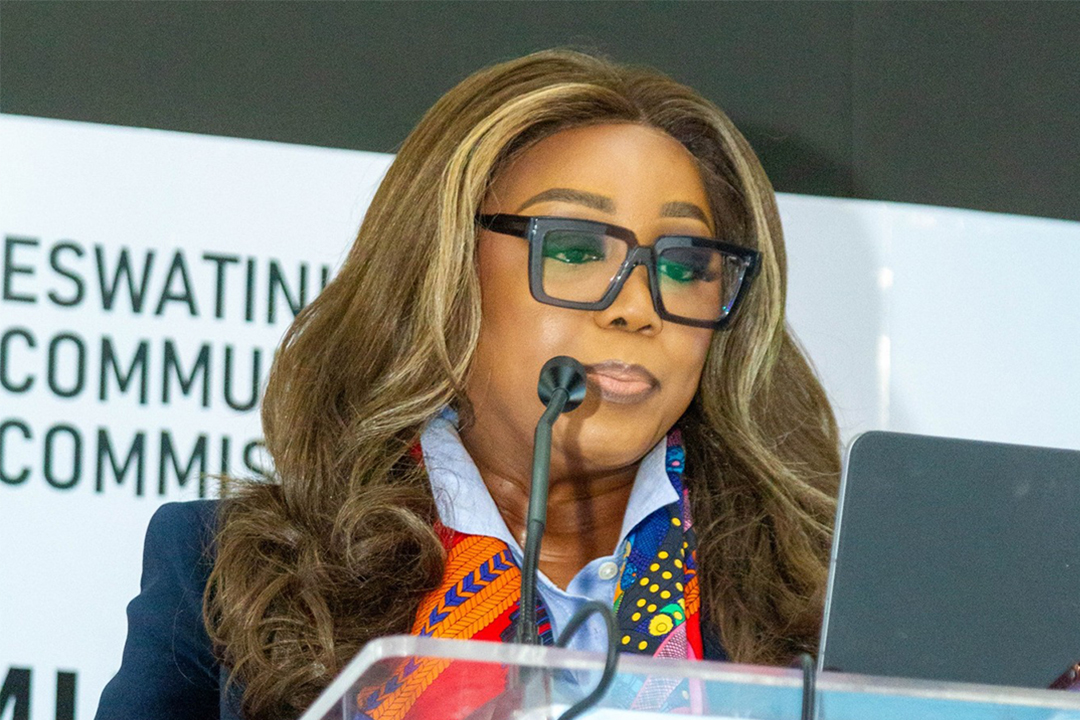
During the SADC Broadband and Targets 2030 Workshop held on June 23, 2025 at Royal Villas in Ezulwini, Maziya, who spoke through a representative, highlighted broadband as the lifeblood of modern economies and called for deliberate policy, sustained investment, and data-driven action to ensure effective deployment of this essential resource.
Key Points from the Workshop
- National Broadband Policies: Minister Maziya stressed that national broadband policies are crucial as they provide regulatory certainty for investors and operators. She urged SADC Member States to refine their frameworks to prioritize inclusivity, sustainability, and innovation.
- Transformative Power of Broadband: Brian Mwansa, Acting Executive Secretary of CRASA, noted that broadband can significantly foster economic growth, enhance human capital, and improve public services. It connects people and businesses to vital information, creating opportunities for innovation, education, and healthcare access.
- Digital Inclusion: Tichafa Rixon Mujuru, Chairperson of the SADC & Universal Access and Service Committee, emphasized the need for equitable digital opportunities across different demographics, ensuring that everyone, from students in rural areas to urban entrepreneurs, can benefit from broadband.
- Research Insights: Mvilawemphi Dlamini, CEO of ESCCOM, pointed out that increased broadband penetration correlates with higher productivity and inclusive economic growth. He called for accelerated deployment of affordable, high-quality broadband infrastructure.
Workshop Objectives and Themes

The workshop aims to set new broadband targets to be achieved by 2030, focusing on standards for internet coverage, promoting digital inclusion, and developing systems to track progress across member states. Key themes discussed include:
– Building a Fully Connected and Digital Africa
– Digital Inclusion and Affordability for All
– Strategies for Data Collection to Track Universal Access and Service.
Understanding Broadband
Broadband is defined as high-speed internet access that allows for faster data transmission compared to traditional dial-up connections. Key aspects include:
– High Speed: Faster data transmission rates enable quicker downloads and uploads.
– Always On: Broadband connections are typically always available without the need to dial in.
– Wide Bandwidth: Allows multiple data streams to be transmitted simultaneously.
– Various Technologies: Delivered through fiber optic cables, DSL, cable modems, wireless, and satellite.
In summary, Minister Maziya’s vision for broadband access is a crucial step towards enhancing communication and economic opportunities for all SADC citizens, ensuring that everyone can participate in the digital economy.
(Courtesy Pic)