


BY MBONO MDLULI
LOBAMBA – Prime Minister Russell Mmiso Dlamini has clarified that the Ministry of Health remains fully in charge of the country’s health issues, despite recent assistance from agencies under the Prime Minister’s Office in the procurement of essential medicines.
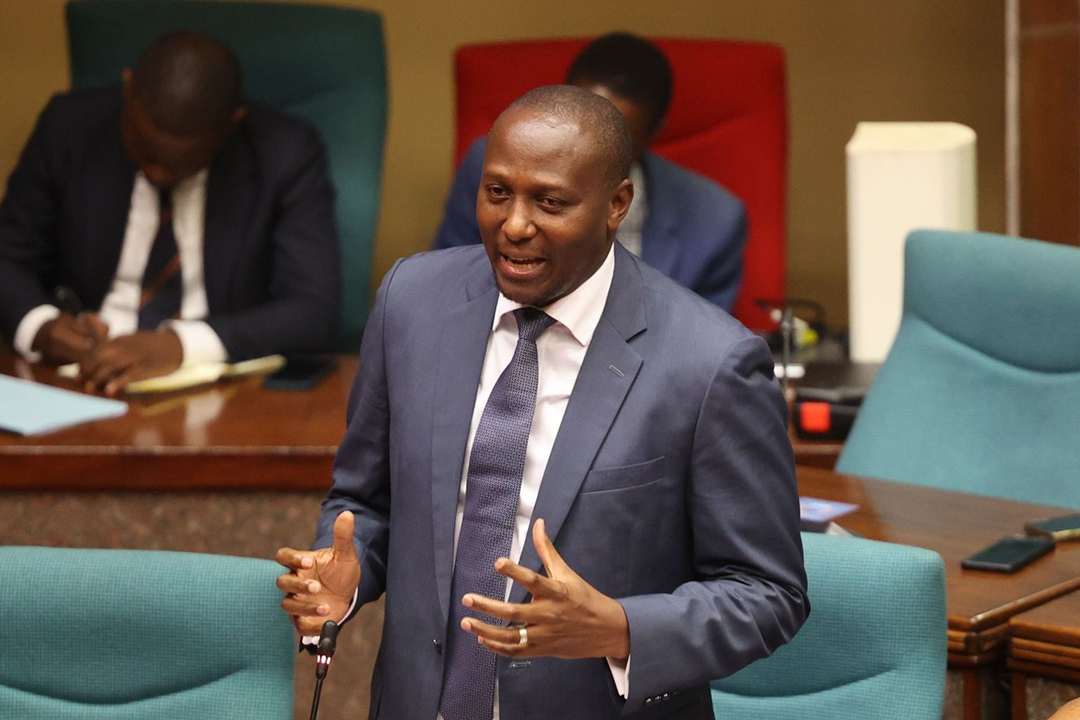
Addressing Members of Parliament in the House of Assembly on July 21, 2025, during the first quarter performance debate of his office, the prime minister responded to mounting concerns over the continued shortage of drugs and medical supplies across the country’s health facilities.
Support, Not Interference
Dlamini informed MPs that his office had enlisted the National Emergency Response Council on HIV and AIDS (NERCHA) to assist the Ministry of Health in procuring the necessary medical supplies. This move, he said, was not a takeover of responsibilities but rather a strategic support initiative.

“We also roped in the National Disaster Management Agency (NDMA) to support NERCHA,” he said. “NDMA has experience in emergency procurement and will work hand-in-hand with NERCHA to fast-track the delivery of much-needed medications.”
NERCHA and NDMA are both parastatals under the Prime Minister’s Office. Their involvement in the procurement process has sparked public speculation that the Prime Minister’s Office may be overstepping into the Ministry of Health’s core mandate. However, the PM dismissed these interpretations.
“This is not interference, but a partnership meant to help a ministry that is currently undergoing structural reforms,” he emphasized.
Health Ministry Undergoing Long-Term Reforms
Dlamini explained that the Ministry of Health is currently restructuring its Central Medical Stores (CMS), with plans to convert it into a parastatal entity to improve efficiency and sustainability in drug procurement and distribution.
“Since these reforms are long-term and may take time to implement fully, the temporary intervention by NERCHA and NDMA is aimed at ensuring that health facilities are not left without essential medicines,” the prime minister said.
A Problem Years in the Making
The PM acknowledged the severity of the drug shortage and commended the Ministry of Health for working hard to resolve the issue. However, he stressed that the current challenges were not new and dated back to well before the current administration took office.
He also pointed to his own past experience as former Chief Executive Officer of NDMA, stating that the agency had successfully handled urgent procurement during the 2015 drought and the COVID-19 pandemic in 2020.
“I can confidently say that NDMA has the capacity and integrity required to assist in emergency situations,” he said. “There is no evidence of maladministration at the agency, and the nation should rest assured that the intention is purely to assist.”
MPs Call for Urgency
During the debate, several MPs raised concerns about the state of the Ministry of Health and called on the prime minister to urgently strengthen the Office of the Government Press Secretary and improve the delivery of services under the Prime Minister’s Office. Lushaba also highlighted the lack of tools and adequate human resources in the press office.
Looking Ahead
As the Ministry of Health works on long-term reforms, the Prime Minister’s temporary solution through NERCHA and NDMA signals a whole-of-government approach to addressing one of the country’s most pressing health challenges.
The PM’s message was clear: “The Ministry of Health is still in charge. We are only stepping in to ensure that EmaSwati do not suffer while reforms are underway.”