


BY MFANUFIKILE KHATHWANE
EZULWINI – Southern Africa has entered a new era of resilience. The Southern African Development Community (SADC), in collaboration with the Government of Eswatini and the World Bank, has unveiled two groundbreaking initiatives aimed at strengthening regional disaster resilience.
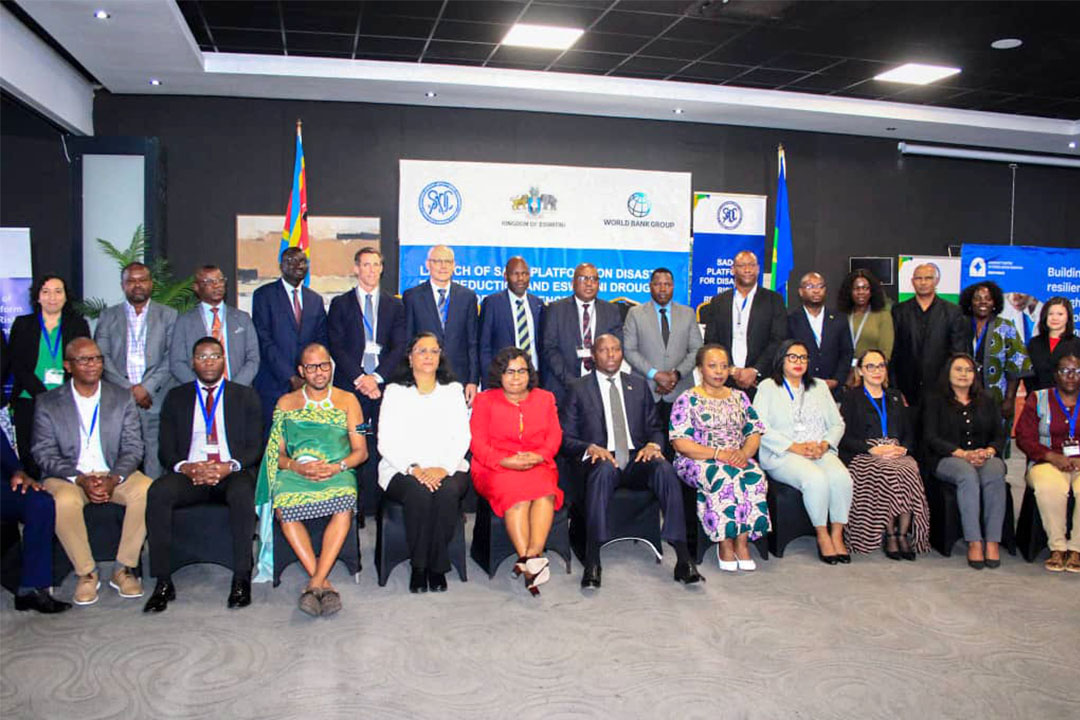
On September 17, 2025, Eswatini hosted the official launch of the SADC Disaster Risk Management (DRM) Platform and the Eswatini Centre of Excellence on Drought Resilience. The ceremony was officiated by His Excellency, the Right Honourable Russell Mmiso Dlamini, Prime Minister of Eswatini, alongside Ms. Angele Makombo N’Tumba, SADC Deputy Executive Secretary for Regional Integration.
The DRM Platform Is envisioned as a regional coordination hub to advance disaster risk reduction (DRR), promote lesson-sharing, and facilitate inclusive dialogue among governments, experts, civil society, development partners, and communities. It is designed to institutionalise disaster governance at a regional level, strengthening preparedness and enhancing cross-sectoral collaboration.
The Eswatini Drought Centre of Excellence, meanwhile, will focus on research, policy support, and capacity building to address one of Southern Africa’s most pressing challenges: recurring droughts and climate-related shocks. As a knowledge hub, it will drive innovation in early warning systems and proactive drought risk management across SADC Member States.

Speaking at the event, Ms. N’Tumba highlighted the importance of aligning with the Sendai Framework for Disaster Risk Reduction, which urges governments to establish strong institutions and governance mechanisms to manage risks effectively.
She stressed that the new Platform would empower the region to integrate risk reduction into development planning and ensure that strategies are shaped by both science and community experience.
“These initiatives position SADC to respond more effectively to climate challenges while safeguarding development gains,” she said.
The launch also aligns with the United Nations Economic and Social Council (ECOSOC) principles, which call for integrating modern scientific forecasting with traditional knowledge. By combining advanced technology, local expertise, and inclusive governance, the initiatives are expected to build a more resilient and prosperous Southern Africa.
The milestone reflects not only a commitment to disaster preparedness but also a bold step toward sustainable development, ensuring that communities across the region are better equipped to withstand future shocks.