


By Mbongeni Ndlela
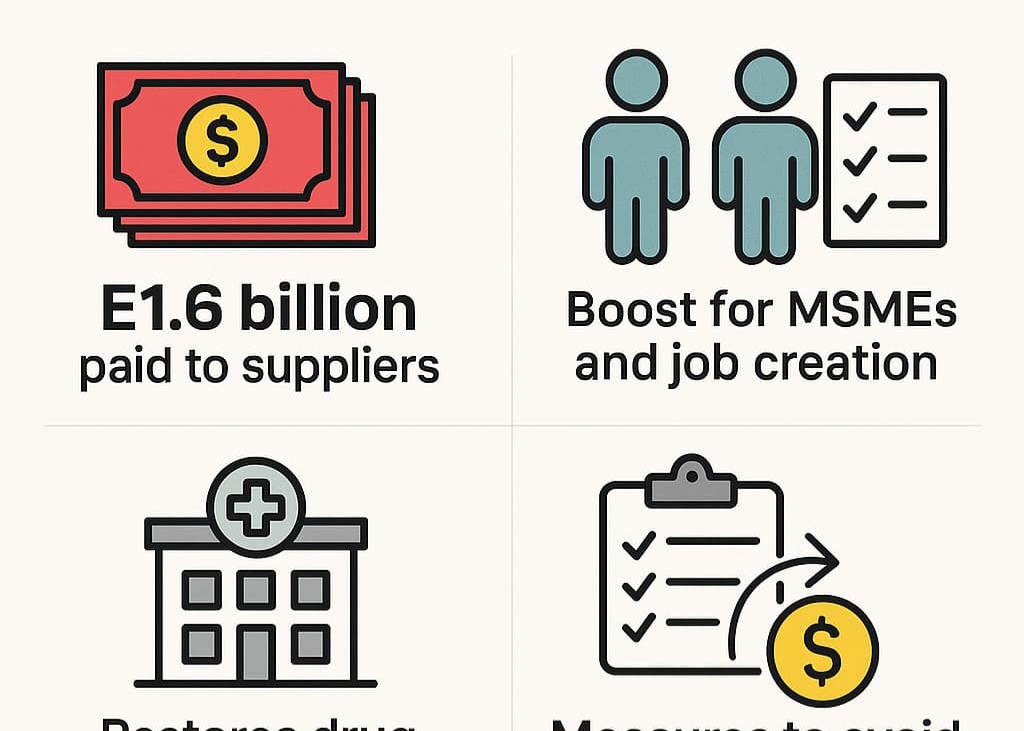
MBABANE – Government has released over E1.6 billion to settle long-standing arrears owed to local suppliers and service providers. This strategic intervention has not only restored confidence among Micro, Small and Medium Enterprises (MSMEs) but is also expected to play a critical role in preventing job losses, reviving collapsed initiatives, and energizing the national economy.
For years, delayed payments from government had become a major source of frustration and hardship for many businesses. Entrepreneurs, particularly small businesses, struggled to stay afloat as they waited months or even years for payment on services already rendered. Several suppliers were forced to shut down, while others laid off staff to reduce costs. Others defaulted on loans, and some were taken to court by taximan, a term now associated with aggressive debt collectors and loan sharks who offer short-term financing at crippling interest rates.
Critical Health Sector Impact
One of the sectors hardest hit by government’s delayed payments was the health sector. Suppliers responsible for delivering life-saving drugs and medical equipment to hospitals suspended services due to non-payment. This led to a shortage of essential medicines in various health facilities, compromising the delivery of critical healthcare services. The Ministry of Health was often left scrambling to cover the gaps, sometimes forced to ration supplies and delay procedures.

A Lifeline to Suppliers and the Economy
The recent disbursement of E1.6 billion, sourced from a combination of improved domestic revenue collection and budgetary support, is thus being hailed as a game changer. It signals government’s strong commitment to fiscal responsibility and private sector collaboration.
Business Eswatini CEO E.Nathi Dlamini welcomed the move, calling it a “turning point” for the country’s economic trajectory. “This is not just about settling debts,” he stated. “It is about restoring faith in government systems, reigniting productivity, and giving businesses the breathing room they need to grow and create jobs.”
The timely payment of suppliers injects liquidity directly into the private sector, allowing companies to resume operations, clear their own debts, rehire staff, and reinvest in innovation and service delivery. For MSMEs, which form the backbone of Eswatini’s economy, this support can mean the difference between closing down and scaling up.
Jobs and Growth Revitalized
Beyond improving cash flow for businesses, the move has crucial implications for job creation and retention. Over the past year, many businesses trimmed their workforce due to uncertain cash inflows. With these payments now made, employers are expected to stabilize operations and gradually begin hiring again, reducing unemployment and strengthening household incomes.
Furthermore, avoiding supplier arrears will enhance creditworthiness across the private sector. As businesses catch up on their own obligations to banks and tax authorities, the financial system will benefit from reduced loan defaults and greater business confidence.
Sustainable Reforms in Procurement
To prevent the recurrence of supplier arrears, government has announced new measures to tighten procurement planning and improve cash flow forecasting. This includes:
• The digitalization of payment systems,
• Improved budget discipline, and
• The establishment of a Supplier Payment Monitoring Task Team to ensure that no invoice is left unpaid without explanation.
These steps are aimed at building a transparent and accountable payment framework that benefits both government and service providers.
A Path Forward for Eswatini’s Economy
In summary, the payment of E1.6 billion to suppliers is more than a fiscal correction, it is a strategic economic stimulus. It demonstrates government’s recognition of the private sector as a partner in national development. With improved liquidity, fewer business closures, stabilized employment, and a strengthened supply chain, including in vital sectors like healthcare, Eswatini is taking a bold step towards inclusive economic growth.
If maintained, this commitment to timely payments could mark the beginning of a new era where doing business with the government is seen not as a risk, but as a reliable and mutually beneficial venture. For entrepreneurs, investors, and the citizens they serve, this is indeed a positive sign of progress.