


By Tandzile Dlamini
MBABANE– The joint Technical and Vocational Education and Training (TVET) Skills Certification Enhancement Project between Eswatini and Taiwan has significantly upgraded vocational training facilities and expanded opportunities for youth to gain nationally recognized skills certifications across the country.
Led through a partnership between the Government of Eswatini and the Republic of China (Taiwan), the project has not only equipped training centres with new tools but also strengthened the systems that make skills development accessible and credible.
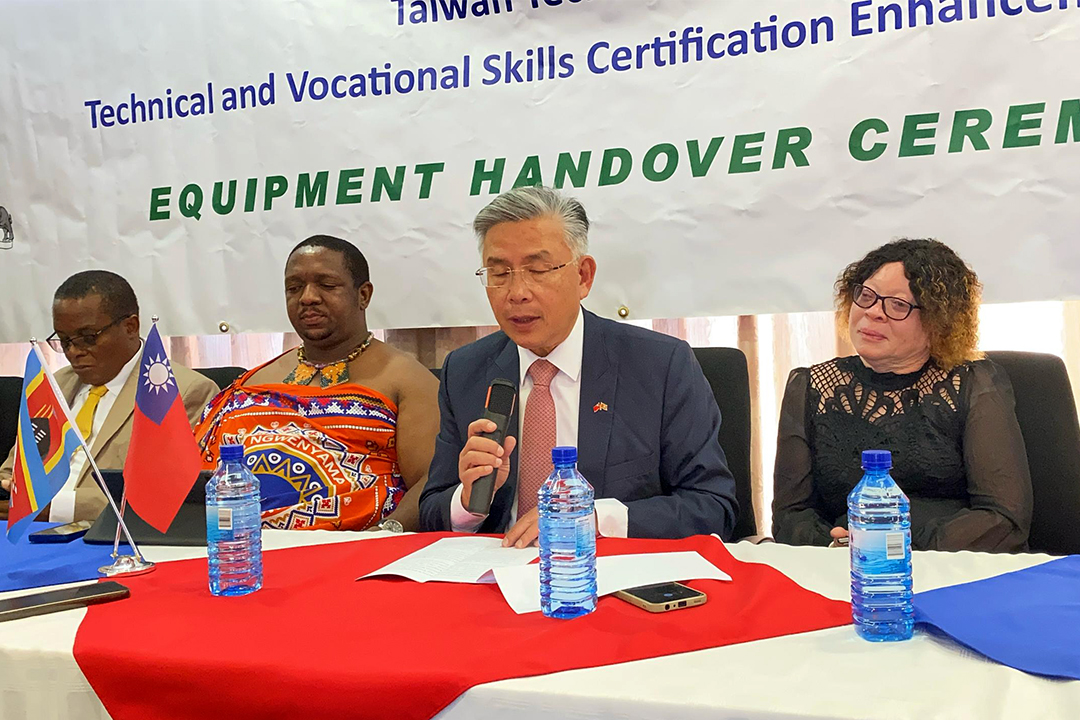
His Excellency Ambassador Jeremy Liang of Taiwan highlighted the depth and sustainability of the project’s achievements. “This initiative is not just about donating equipment,” he said. “It was about modernizing Eswatini’s vocational training to meet the demands of a changing economy and to empower young people, especially those in underserved communities, with real opportunities.”
The project has supported the development of national qualifications, modernized testing workshops, and significantly strengthened Eswatini’s trade testing systems. These reforms have made it possible for more citizens to gain nationally recognized certifications, improving their prospects in both the local and regional job markets.

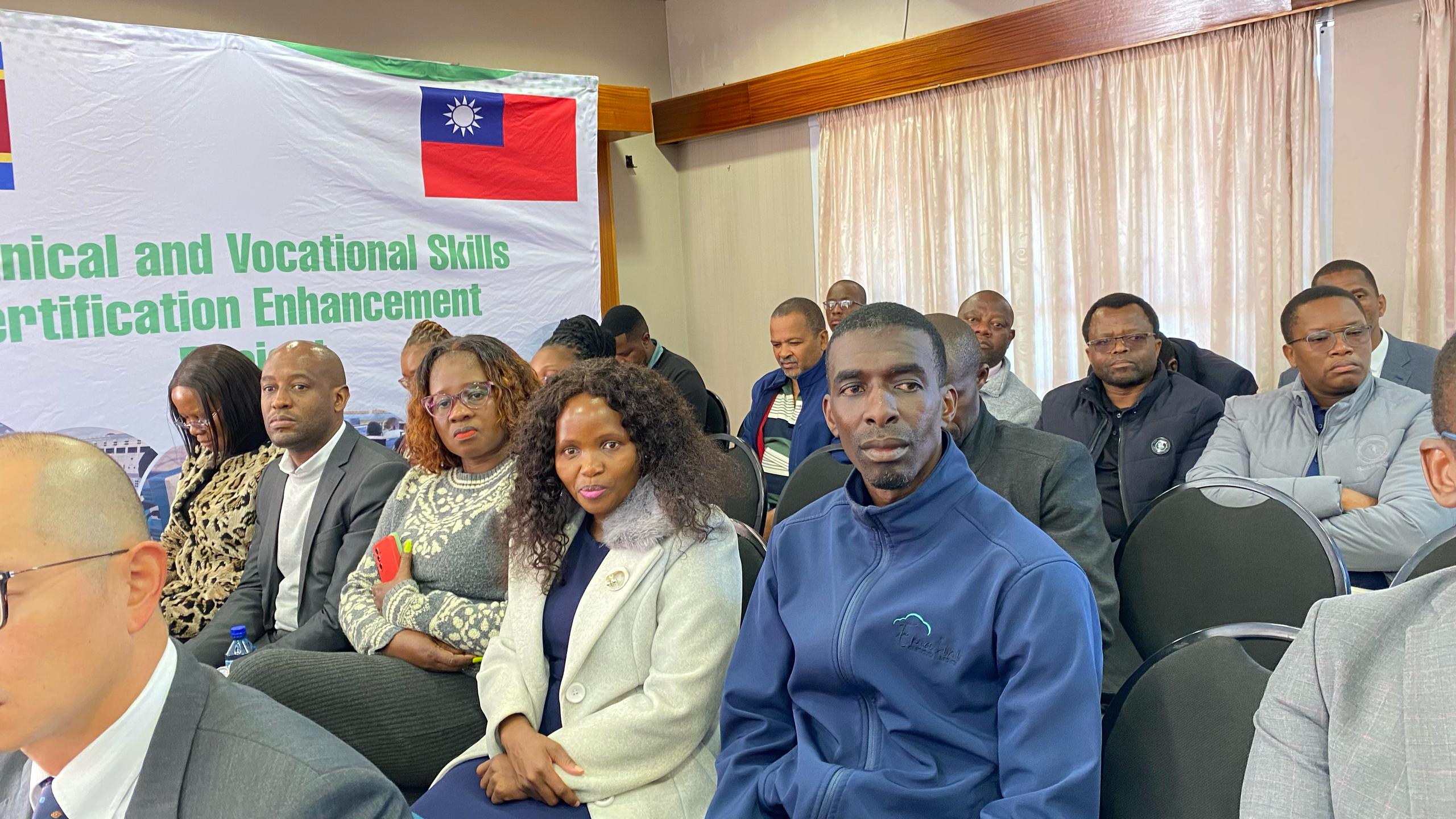
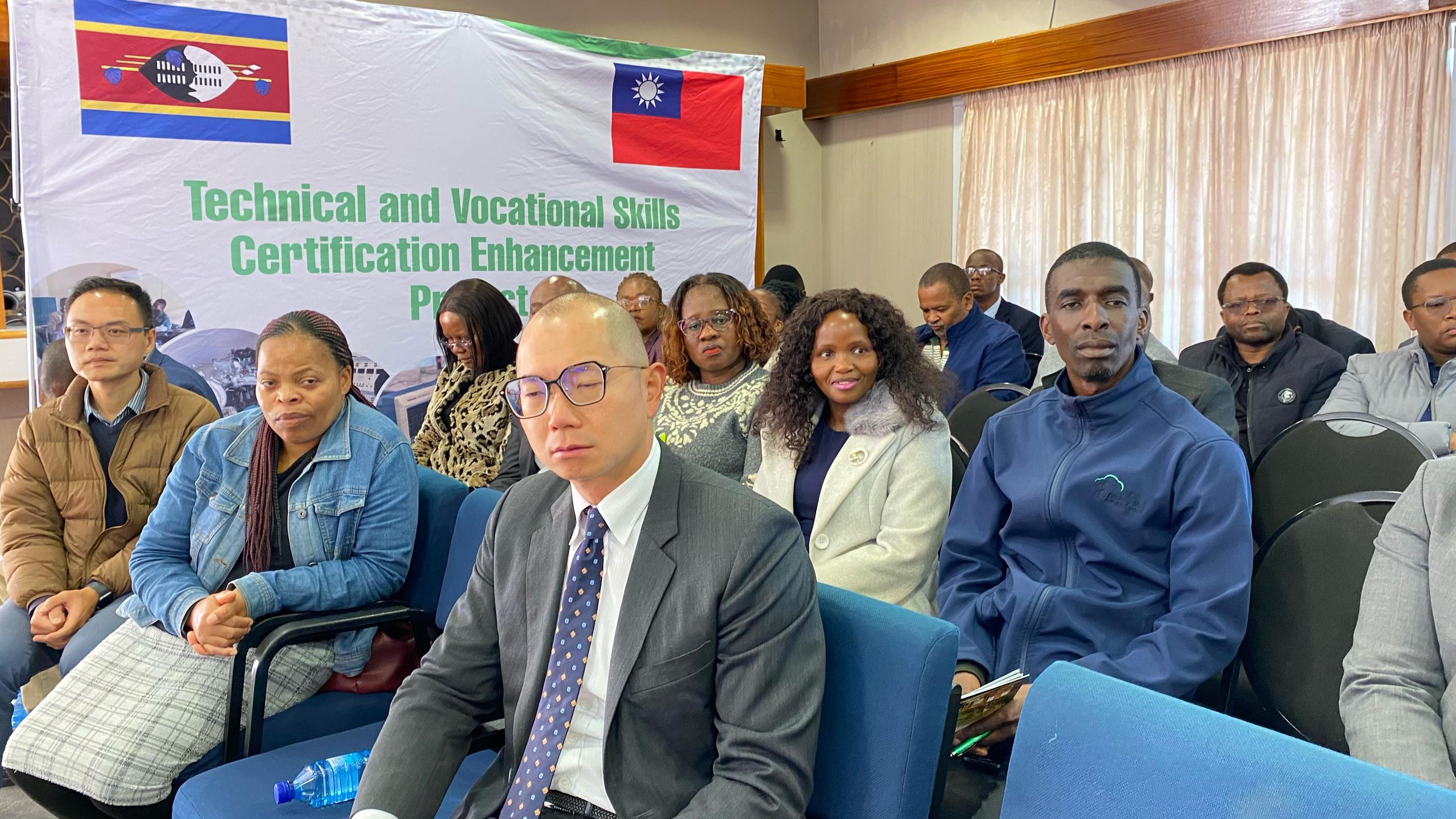
One of the key successes of the initiative has been its focus on inclusion. Reaching to youth who previously lacked access to formal technical training, the project has opened doors for individuals who can now pursue meaningful careers in sectors such as mechanical fitting, automotive systems, and renewable energy,a field that has become increasingly important in Eswatini’s development agenda.
Solar photovoltaic (PV) installation, for instance, is now formally recognized as a trade, and the first national trade tests in this area are expected to launch later this year. This reflects the project’s commitment to aligning Eswatini’s skills development system with emerging economic needs and global trends.
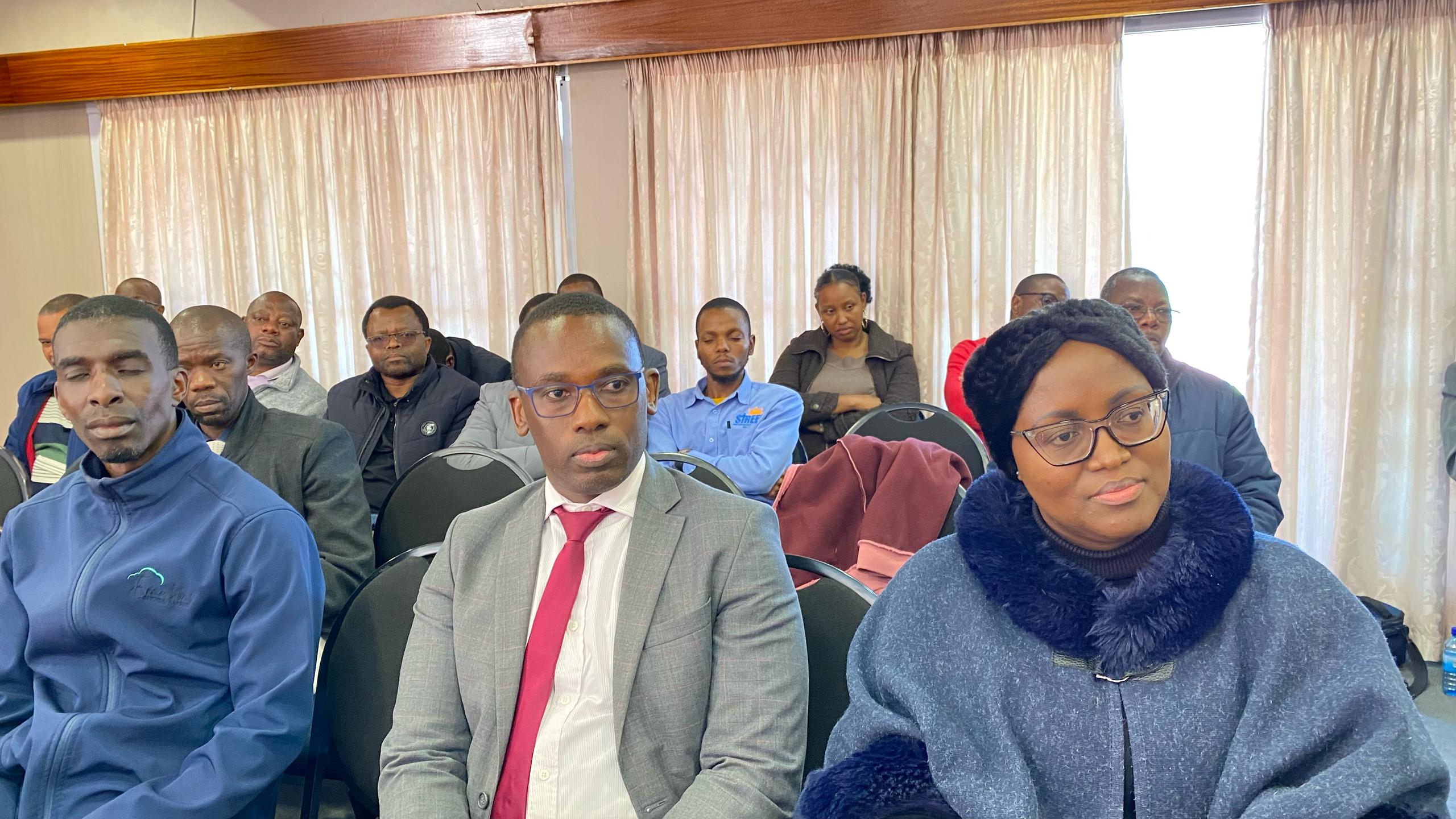
The project’s success was further evidenced in February, when Eswatini hosted its first National Skills Competition, a platform that not only showcased local talent but also benchmarked Eswatini’s vocational training against international standards. The competition inspired a renewed national focus on technical excellence and innovation.
As the project concludes, momentum is already building for a second phase. Plans are underway to expand its reach, bringing reforms to more trades and institutions and further aligning technical training with international benchmarks such as WorldSkills International. The aim is to make Eswatini’s workforce not only self-reliant but regionally competitive.
Ambassador Liang emphasized that Taiwan’s support is driven by a deep belief in the power of human capital. “We are proud to partner with Eswatini to build a skills system that is inclusive, modern, and sustainable,” he said. “This is how we create long-term impact,through systems that empower people.”
As the TVET project draws to a close, it leaves behind not just upgraded workshops and new training materials, but a stronger, more equitable foundation for skills development in Eswatini.