


By Phesheya Ian Kunene
MATSAPHA – They may be young, but their message was loud, clear, and powerfully delivered, Eswatini’s youth want in.
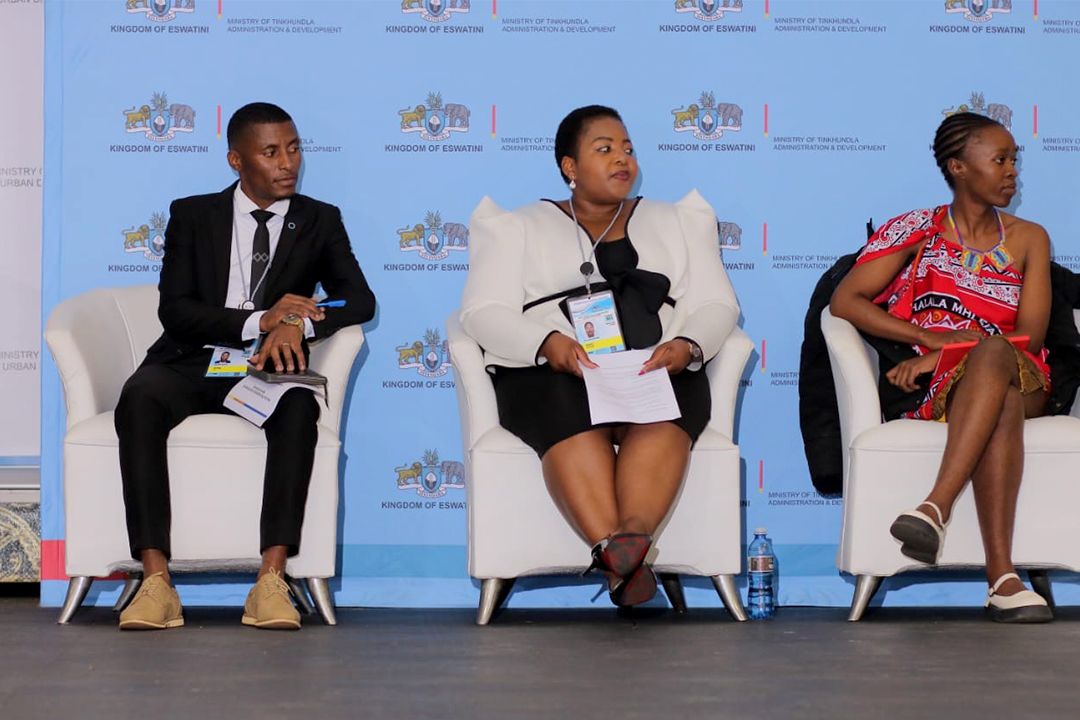
Day Two of the Eswatini Local Government Conference belonged to the youth, as young thinkers, social entrepreneurs, and development advocates took the mic to demand inclusion, ownership, and visibility in the governance of their communities.
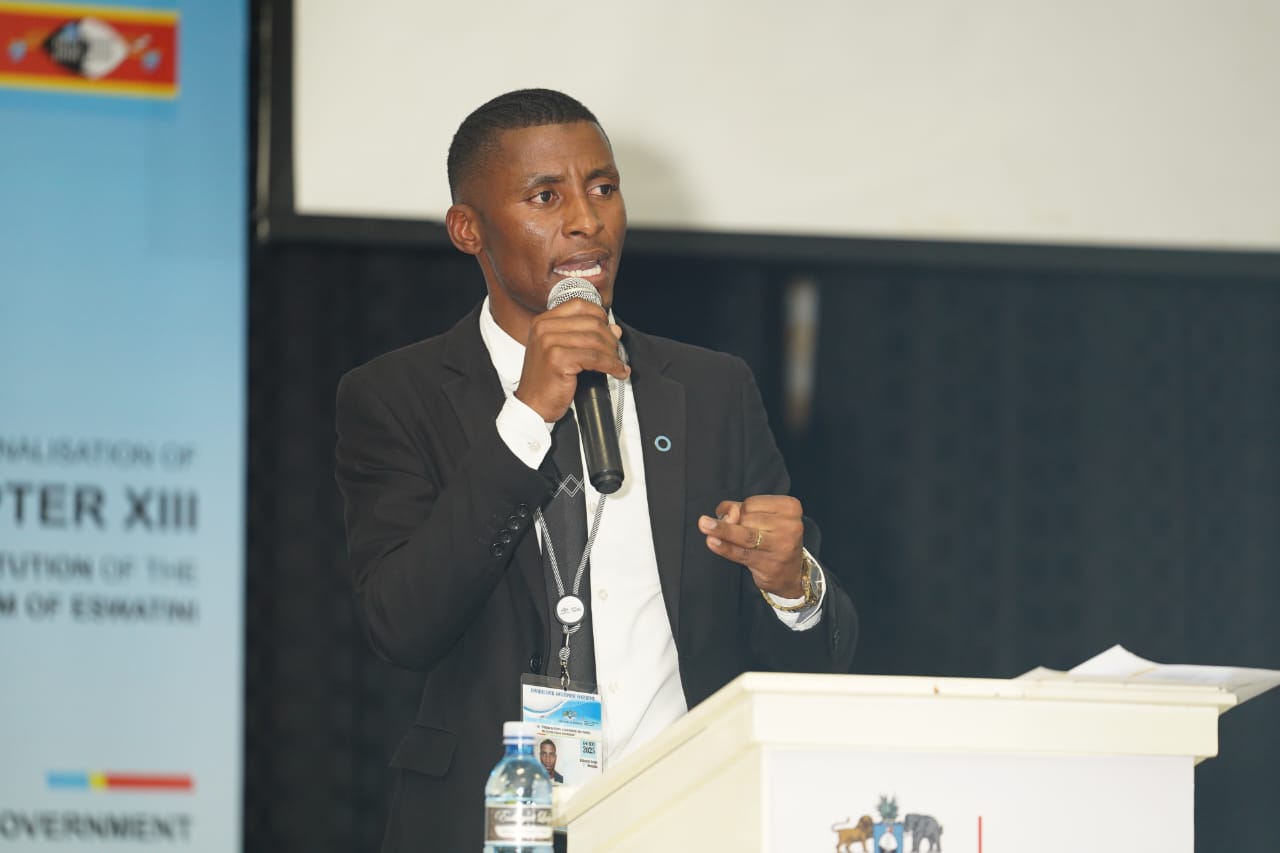
Delivering an electrifying presentation, Professor Shabangu called for youth engagement to be built from the classroom up.
“Decentralisation gives us a chance to integrate Tinkhundla governance modules into our school curricula,” he said. “We must bridge the knowledge gap that has created intergenerational fragmentation.”

He argued that involving youth now would ensure they do not become alienated later, and instead grow as informed, civic-minded leaders of tomorrow.
The professor didn’t stop there. He emphasized that decentralisation must go digital, highlighting tools like GovChat Eswatini as a gateway for youth participation in local planning and service feedback. “Digital governance platforms can turn exclusion into engagement,” he noted, “but only if we are intentional about including young people.”
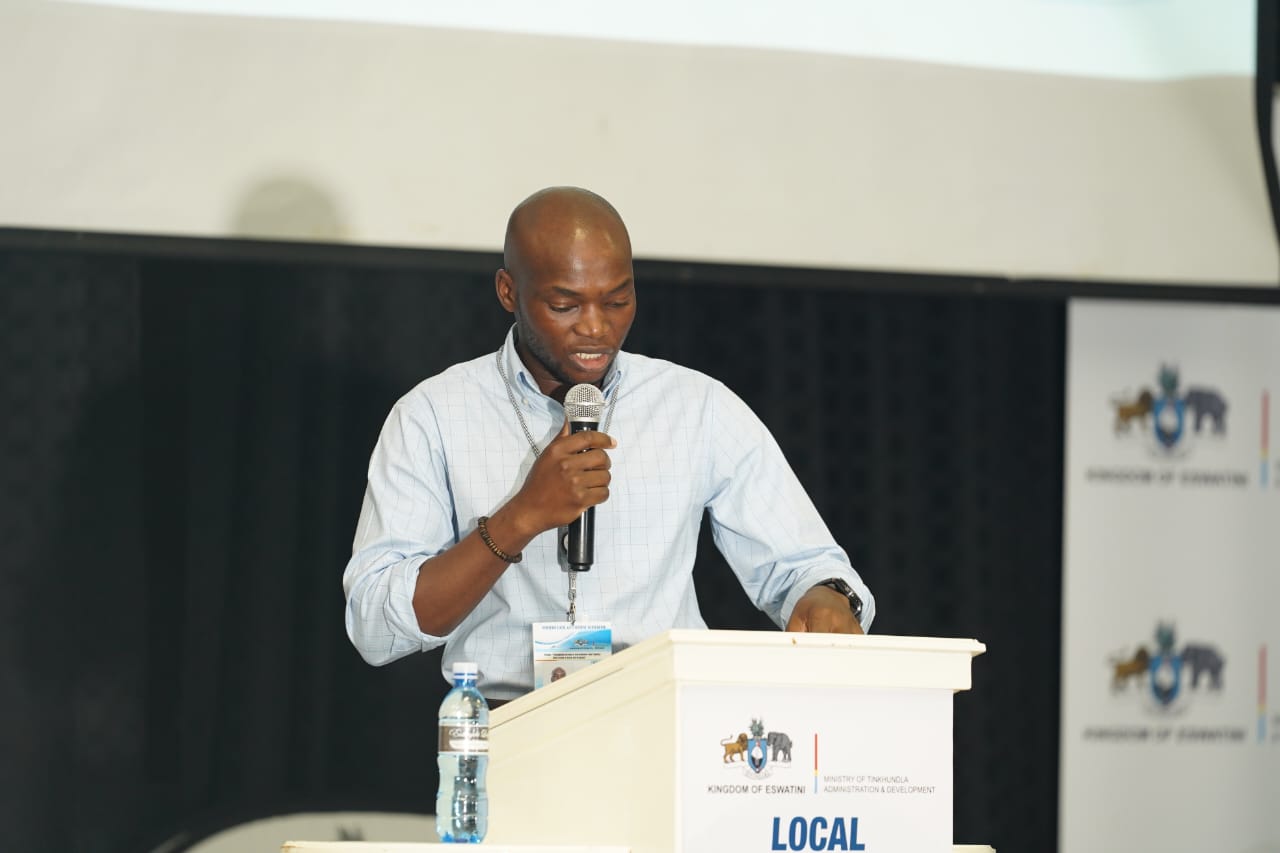
Sakhile Nsibandze of the Youth Chamber of Commerce and Industry echoed the need for bold moves, calling on the government to prioritize youth-led businesses in procurement and allocate at least 5% of the national budget to Tinkhundla-based youth training programmes.
“Talk alone is no longer enough,” he stressed. “Let us be part of the economy, not just observers of it.”
Joseph Zito Mbowa, Director of a youth-focused NGO, brought legislation into the spotlight. “We propose a specific clause in the Tinkhundla Local Government Bill, 2024, to mandate the formation of Youth Committees in every Inkhundla,” he said.
He explained that these committees should have clearly outlined responsibilities, becoming active agents of transformation within their regions.
Meanwhile, Xolile Dlamini, a spirited youth entrepreneur, reminded delegates that development isn’t just about jobs.
“Youth development includes mental health, social connection, physical wellness, and economic empowerment,” she said. “When youth thrive locally, Eswatini prospers globally.” She added that decentralising resources would empower communities to support their own youth effectively.
The day’s discussions highlighted a key truth: youth do not want tokenism, they want structure, opportunity, and a seat at the table. Their call is not just for inclusion but for a new kind of partnership where the energy of the youth meets the experience of elders in shaping policy that works.
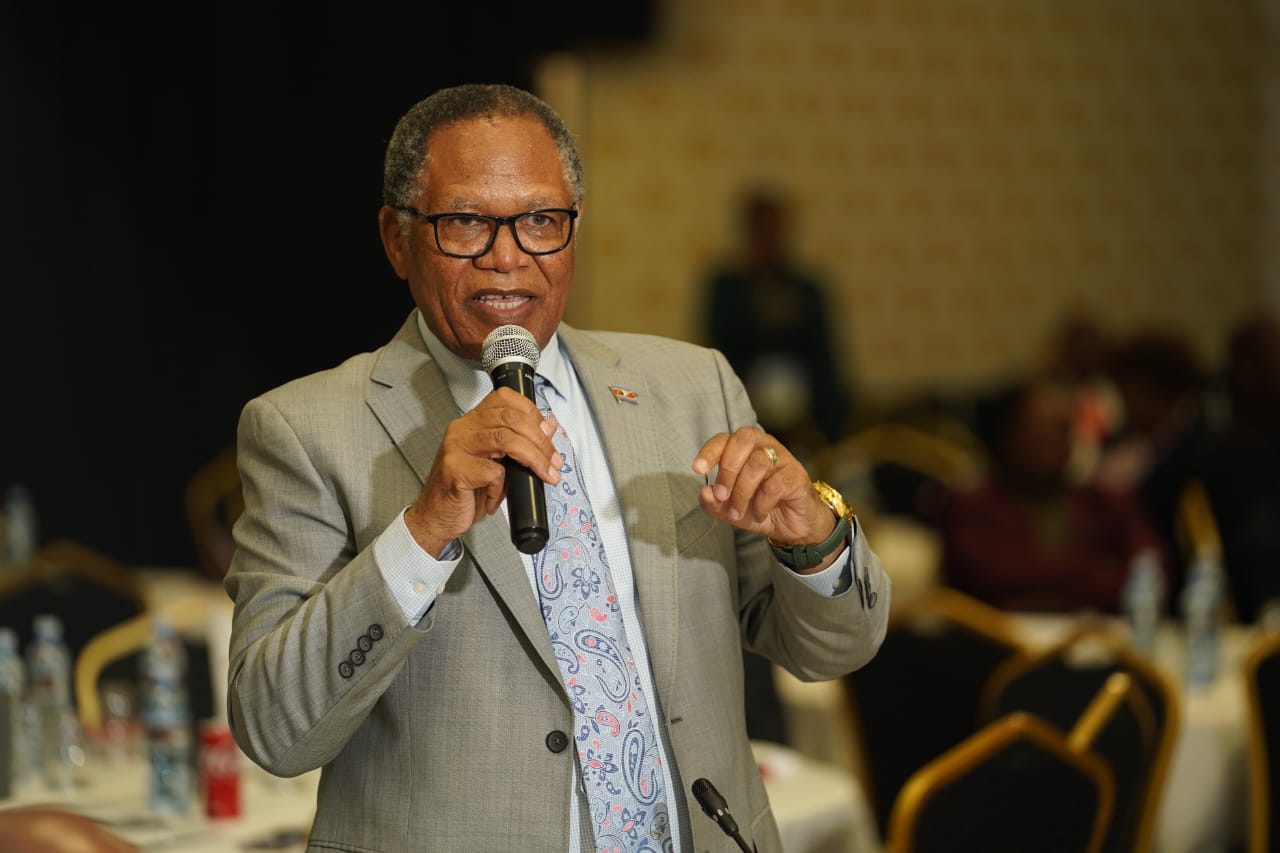
And the momentum didn’t go unnoticed. Senior officials, including former Deputy Prime Minister Themba Masuku, praised the youth for their clarity, confidence, and commitment to solutions.
“The youth have spoken,” he said. “Now it’s our duty to ensure their voices don’t vanish after this conference.”
As the conference heads into its final day, it’s evident that the Eswatini Local Government Bill will not be complete without the fingerprints of the youth, because the future isn’t something to inherit, it’s something to build.