


BY PHUMELELE GAMEDZE
MBABANE– More than 150 young people have joined a growing national conversation on suicide prevention, with Health Minister Mduduzi Matsebula calling for greater openness, support and early intervention to prevent loss of life.
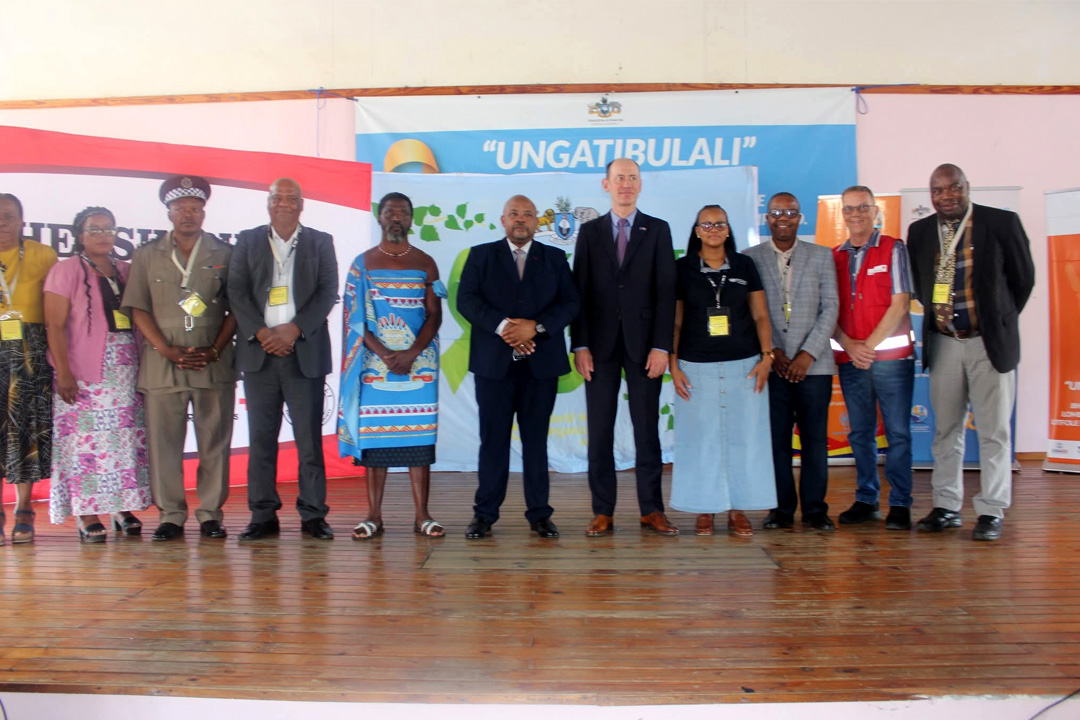
The conversation was officially opened at Matsetsa High School for the Deaf, where youth mentored through the Eswatini Red Cross #KhetsiMphilo #ChooseLife out of school youth clubs from Matsetsa, Gamula and Dvokodvweni gathered with government, health, community and development partners.
The event focused on changing the narrative around suicide and encouraging communities to recognise the warning signs, reduce stigma and create safe spaces where people can speak about their struggles.
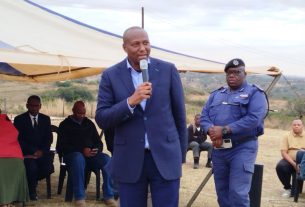
Addressing the gathering, Matsebula said Eswatini was already making progress in understanding and addressing suicide.

“Ladies and gentlemen, I am proud to say Eswatini has started the conversation. We are not starting from zero,” he said.
The Minister pointed to efforts to strengthen controls around agricultural pesticides as one example of suicide prevention measures being implemented in the country.
He said the World Health Organisation (WHO) had shown that limiting access to common means of suicide, including pesticides, can contribute to reducing suicide incidents.
Matsebula also thanked Baphalali Eswatini Red Cross and the European Union in Eswatini for facilitating the commemoration and creating a platform for stakeholders to work together on suicide prevention.
For the young people gathered at Matsetsa, the Minister said one of the most important steps they could take was to speak when they were struggling.
“Today, I want you to know that asking for help is not a weakness. Speaking about your feelings is not weakness. Telling someone that you are struggling is not weakness,” he said.
He encouraged young people to reach out to friends, parents, teachers, health workers, community leaders or another trusted person when they need support.
European Union Acting Ambassador José Ángel Becerra Marta said WHO evidence places Eswatini among countries with high suicide rates, adding that behind every suicide is a person and a family affected by the loss.
“It is especially concerning because of the impact on young people and young adults. It is therefore important to strengthen prevention efforts,” he said.
Becerra Marta said reducing stigma, encouraging help-seeking behaviour and creating safe environments for people to speak out were important, particularly among men.
He noted that four out of five suicide incidents occur among men, highlighting the need for stronger support systems that encourage men to seek help before reaching a crisis point.
“This is what is at the heart of the #KhetsiMphilo #ChooseLife project,” he said.
The Acting Ambassador also linked suicide prevention to wider social challenges, including violence, abuse, discrimination and gender-based violence, saying these can have a profound impact on mental health.
Through #KhetsiMphilo, he said, efforts are being made to raise mental health awareness, improve support services and empower young people to build resilience within their communities.
Eswatini Red Cross Secretary General Danger Nhlabatsi thanked the European Union in Eswatini and the Finnish Red Cross for their partnership, which he said had enabled the organisation to strengthen its work in the mental health space.
Representing the WHO Country Representative, Dr Nomthandazo Lukhele reaffirmed the organisation’s support for the Ministry of Health and national efforts to prevent suicide and promote mental health.
She highlighted four key WHO approaches to suicide prevention: limiting access to common means such as pesticides, promoting responsible media reporting of suicide, strengthening life skills among young people, and ensuring early identification and follow-up of people at risk.
The event was also attended by a representative of the KaLanga Chiefdom, Lugongolweni Member of Parliament Joseph Souza and community members from Matsetsa and surrounding areas.
For the young people who gathered at Matsetsa, the message was clear: speaking about mental health, asking for help and supporting someone who is struggling can be an important step towards preventing suicide.
#LetsChangeTheNarrativeOnSuicidePrevention
(Courtesy Pic)