


BY PHUMELELE GAMEDZE
MBABANE– The future of the rivers that provide water for thousands of people in Eswatini and neighbouring countries received a major boost after 35 environmental and development experts completed specialised training aimed at protecting communities, ecosystems and shared water resources from growing environmental and climate risks.
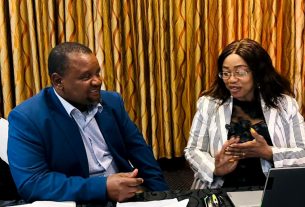
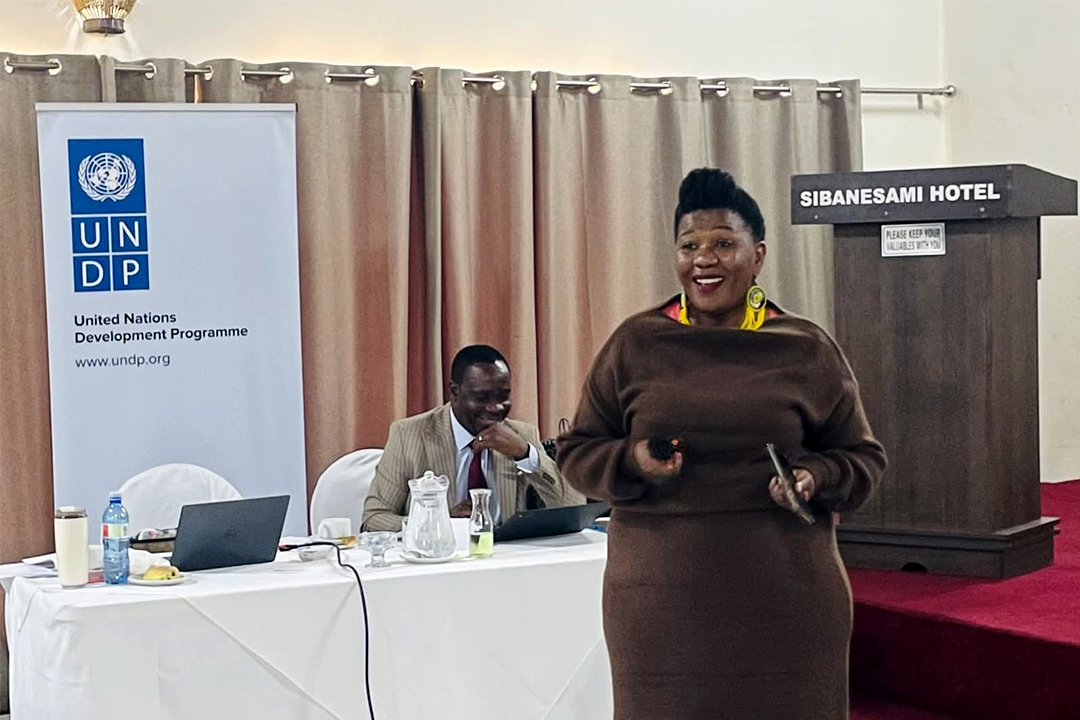
The three day training, held from 28 to 30 July 2026 at Sibane Sami Hotel in Ezulwini, brought together participants from the United Nations Development Programme (UNDP) Eswatini, the Eswatini Environment Authority (EEA), and the Global Environment Facility (GEF-8) IncoMaputo Project Management Unit.
While the workshop focused on technical issues such as Social and Environmental Standards (SES), Stakeholder Response Mechanisms, Gender Mainstreaming and the Prevention of Sexual Exploitation, Abuse and Harassment (PSEAH), its purpose reaches far beyond the training room. The knowledge gained is expected to help ensure that development projects improve lives without harming people, nature or vulnerable communities.
For families who rely on the Incomati and Maputo river systems for drinking water, farming and daily livelihoods, stronger environmental safeguards could mean healthier rivers, better protection from climate-related disasters and more inclusive development.

The UNDP/GEF-8 INMACOM Project, funded by the Global Environment Facility (GEF), is implemented by UNDP Eswatini and executed by the Global Water Partnership Southern Africa (GWPSA). The initiative supports the Incomati and Maputo Watercourse Commission (INMACOM) and its three Member States Eswatini, South Africa and Mozambique—in improving the management of shared water resources.
The project seeks to strengthen basin wide planning, improve data and information systems, enhance climate and disaster preparedness, and promote source-to-sea management so that the rivers can continue supporting communities, biodiversity and economic growth across the region.
During the training, the INMACOM GEF-8 Regional Project Coordinator outlined the project’s vision of strengthening integrated transboundary management of the Incomati and Maputo River Basins. Participants also learnt how social and environmental risks identified during project preparation align with the UNDP Social and Environmental Standards, helping ensure that every stage of implementation places people and the environment first.
A key outcome of the programme was the strengthened capacity of the GEF-8 IncoMaputo Project Management Unit and partner institutions to integrate social and environmental safeguards throughout project planning, implementation, monitoring and reporting.
Participants also enhanced their skills in engaging communities, strengthening grievance response mechanisms, promoting gender equality, preventing sexual exploitation, abuse and harassment, and ensuring that development benefits everyone, especially women, vulnerable groups and those living in communities closest to the shared river basins.
As climate change continues to place increasing pressure on water resources across Southern Africa, the training marks another step towards building a future where shared rivers are managed responsibly, communities are protected, and development leaves no one behind.
#EswatiniPositiveNews #Environment #WaterSecurity #ClimateAction
(Courtesy Pic)