



BY MBONGENI NDLELA
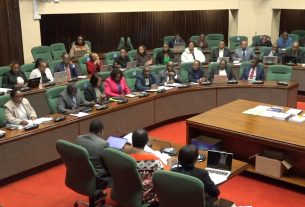
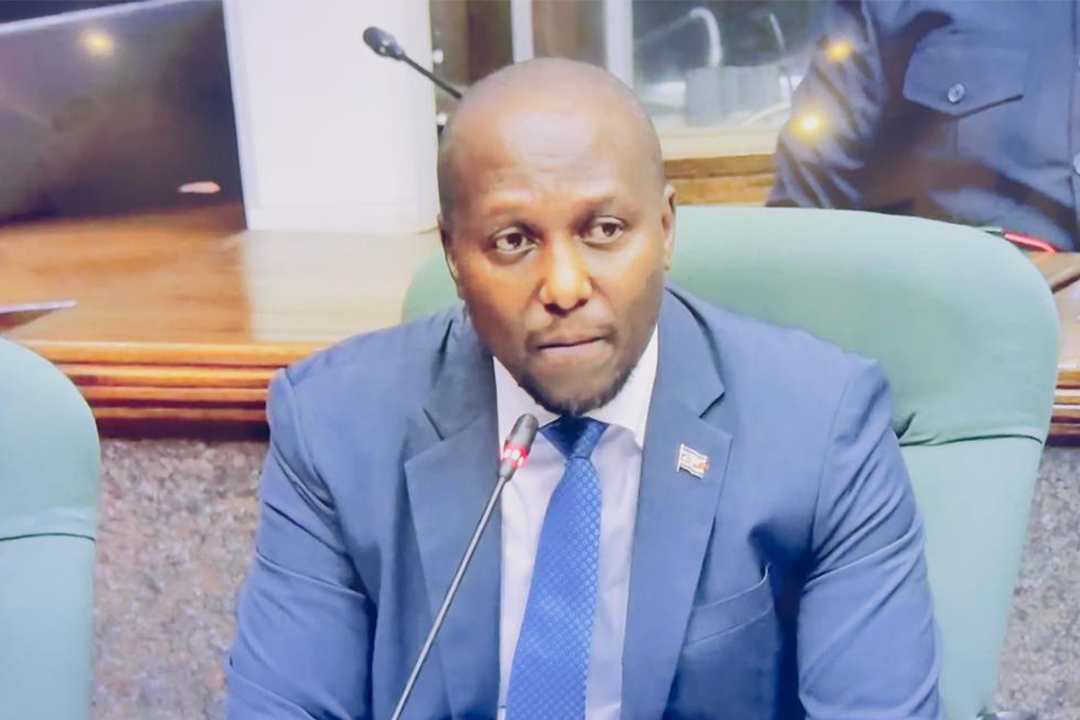
MBABANE – Prime Minister Russell Mmiso Dlamini has called for bold reforms in the country’s budgeting and planning systems, telling Parliament that meaningful change is necessary to ensure government resources deliver real results for citizens.
Responding to questions raised by Members of Parliament during the budget debate for the Prime Minister’s Office portfolio committee, the PM emphasized the need for unity, transparency and a willingness to embrace reforms that will improve governance and service delivery.
Addressing remarks from legislator Marwick Khumalo, Dlamini stressed that constructive dialogue and collaboration should guide national leadership.
“To Marwick Khumalo, I have no enemy. The best idea must win. We will have a breakfast meeting where we will discuss our differences,” he told the House.
The PM acknowledged the financial pressures the country faces, noting that government resources are limited while national needs continue to grow.
“I want to acknowledge the challenge the country is facing regarding the budget. The real challenge is that the budget is not enough to meet all the country’s demands,” he said.
He explained that Cabinet often faces difficult decisions when determining how resources should be allocated among ministries.
“It becomes a challenge as to whom do you recall the budget allocation from in order to give the next ministry. Cabinet must decide on the final budget, and the presented budget was approved after extensive deliberations.”
However, Dlamini said the current budgeting framework requires urgent reform as it does not accurately reflect the country’s development priorities.
“The budget in the country is flawed; it is not a true reflection of what is happening,” he said.
He revealed that Cabinet recently held a retreat where experts from various countries shared insights on improving public financial management systems.
“We have agreed as Cabinet during the recent retreat that change must come. Let us embrace change, particularly change that is legal and necessary.”
According to Dlamini, one of the weaknesses in the current system is the practice of applying uniform increases across all ministries regardless of their operational demands or project requirements.
“If the budget increases by five percent, every ministry receives a five percent increase, yet we expect much more work from those ministries,” he explained.
He cited the example of a large infrastructure initiative to illustrate the challenge.
“There was a railway project costing billions of emalangeni, yet the implementing company was allocated only about E10 million per year to execute work worth billions. How long will it take to complete a project worth E15 billion if only E10 million is allocated each year?”
Dlamini said such situations demonstrate the need for a planning-led budgeting approach that aligns financial allocations with realistic project timelines and development priorities.
“The budgeting process is flawed. Change must come and we must not resist it.”
He also highlighted that the current budgeting method often relies on previous allocations instead of strategic planning.
“During budgeting exercises, ministries usually take the previous budget and simply add about five percent. That approach makes meaningful planning very difficult.”
Dlamini noted that although legislation exists to guide national planning under the Ministry of Economic Planning, those processes have not always been fully implemented due to financial constraints.
“There have been laws that guide planning under the Economic Planning Ministry, but these were not always followed because the Finance Ministry dictated over planning. The reality was that nothing could proceed if there was no money.”
He said Cabinet has now resolved to strengthen planning systems so that development programmes are properly prepared before funds are allocated.
“Sometimes it may be proper not to allocate a budget to certain ministries if there is no proper planning and programme. That money should instead go to ministries that have planned projects ready for implementation.”
The PM said such prioritisation is necessary to ensure that public funds are used efficiently and produce visible results for the nation.
Addressing concerns raised by some legislators regarding leadership decisions, the PM dismissed suggestions that he seeks to make unilateral decisions.
“The accusations that the PM wants to decide everything by himself are misplaced. I cannot issue unilateral decisions. The reality is that the money is not enough and every ministry wants a larger share.”
He explained that leadership structures exist precisely to ensure that proposals are scrutinised before approval.
“If everything that comes through is simply approved without scrutiny, then there would be no need for a leader of government business. The reason there is a chairperson is because someone must take decisions on what should be approved.”
Dlamini also raised concerns about delays caused by procurement procedures, which he said have slowed the implementation of government programmes.
“What delays service delivery is the issue of procurement. Cabinet approved during the first quarter of this administration that we must change the Procurement Act because the processes have fuelled corruption and delays.”
He said government is eager to see the reforms implemented quickly.
“The Ministry of Finance is still working on the matter, and we are now frustrated that the process is moving slowly.”
The Prime Minister concluded by appealing to Members of Parliament to support the reform agenda aimed at improving governance and development planning.
“Change must come. I am appealing to Members of Parliament to embrace change so that we can build a budgeting system that truly supports the country’s development.”