



BY MBONO MDLULI
LOBAMBA — Prime Minister Russell Mmiso Dlamini has clarified that all decisions relating to the national budget are approved collectively by Cabinet, not by himself alone.
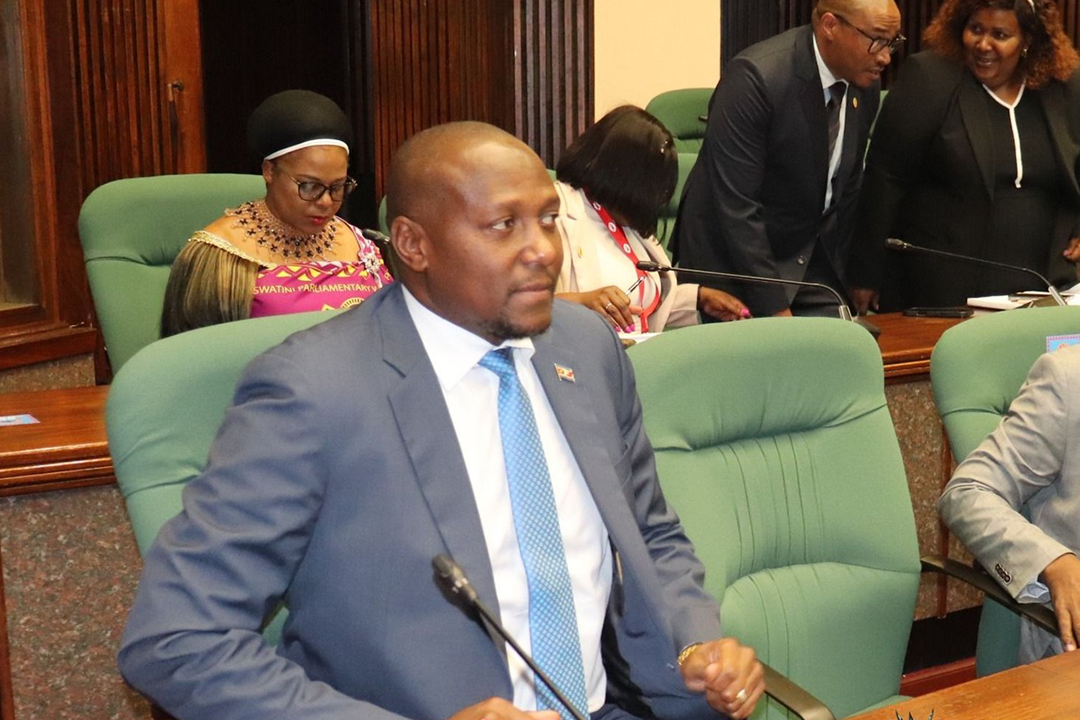
Dlamini made the remarks on Wednesday, March 11, 2026, during the 2025/26 annual performance debate of the Private and Cabinet Offices in the House of Assembly.
The premier was responding to questions from Members of Parliament who wanted clarity on allegations that he sometimes made decisions independently, including those concerning the national budget. Legislators also raised concerns that they had heard he had rejected certain budget proposals, including funding for the implementation of Grade Zero.
MPs spent nearly five hours posing questions to the Prime Minister and his officials during the debate. In response, Dlamini stressed that budget decisions were not made by a single individual but were approved by Cabinet after collective consideration.

He explained that one of the major challenges faced by government was the shortage of funds required to finance all proposed programmes. As a result, disagreements sometimes arose regarding which projects should be prioritised within the available budget.
Dlamini further told MPs that the current budgeting approach required reform. He explained that ministries traditionally submitted budget ceilings to Cabinet, which often resulted in each ministry receiving a share of the national budget regardless of whether it had priority projects to implement.
According to the Prime Minister, this system was not effective and needed to change so that funding could be directed towards projects that were of national priority. He said ministries with urgent and well-defined projects should receive greater financial support, while those without immediate priorities might not receive allocations during certain financial years.
“If there is no top priority project at a particular time, a ministry may receive little or nothing for that year,” he explained, emphasising that this approach would allow government to focus resources on impactful initiatives.
Dlamini illustrated the issue using Eswatini Railways as an example. He said the parastatal had a major project worth billions of emalangeni that it intended to implement. However, the company had previously received budgets of about E10 million annually, which was insufficient to move the large-scale project forward.
“If this continues, the project will never be implemented,” he said.
The Prime Minister added that discussions held during this year’s Cabinet retreat, which included experts from various parts of the world, highlighted the need for a new approach to budgeting that focuses on strategic priorities and effective resource allocation.
He said government was committed to improving the budgeting process to ensure that national resources are directed towards projects that can deliver meaningful development outcomes for the country.