




BY TANDZILE DLAMINI
MBABANE — FNB Eswatini has set its focus on environmental responsibility and long term sustainability as it marks over three decades of operations in the country, aligning its growth with community and national development priorities.
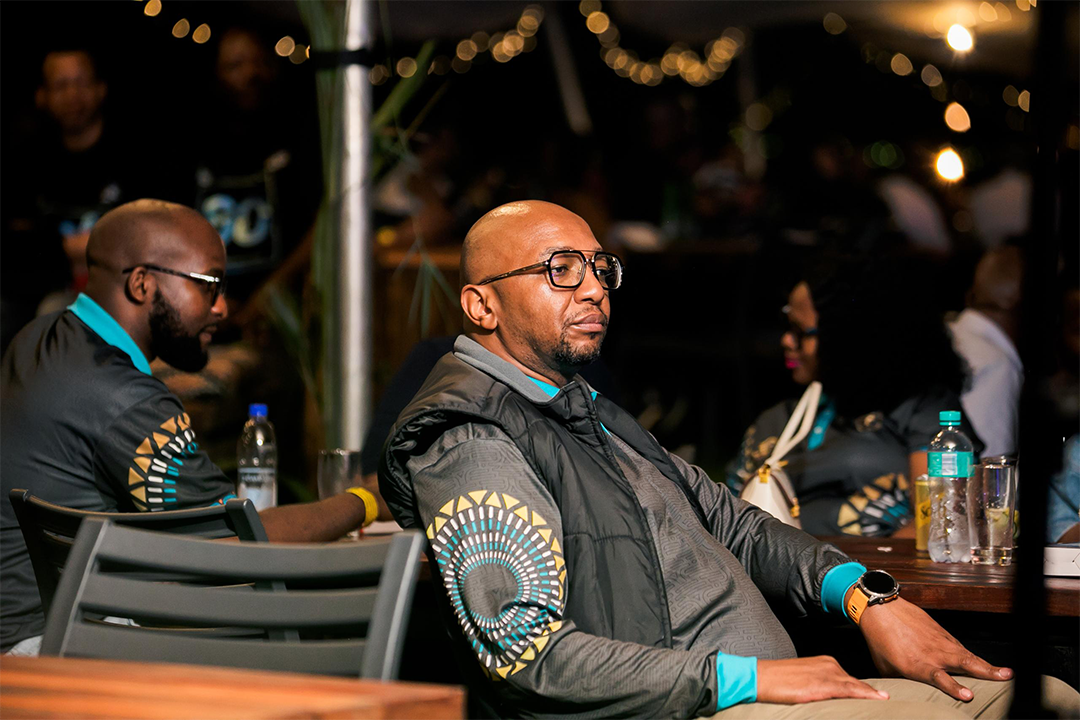
The bank highlighted its approach during the Earth Hour 2026 commemoration hosted by the Eswatini Electricity Company (EEC) on 28 March 2026 at Malandela’s in Malkerns, where it participated as one of the event partners.
In a video message played during the event, Chief Executive Officer Thokozani ‘TK’ Dlamini said sustainability remains central to the bank’s operations and long term vision.
“At FNB Eswatini, sustainability is not a campaign strategy. Our Shared Prosperity agenda is built on a simple belief, the growth of our business must be aligned to the growth of our communities, our clients, and our country. Earth Hour reminds us that small actions matter. But leadership requires more than symbolism. At FNB Eswatini, we are going above expectations and short term thinking. We are resilient, responsible, and future ready for the thousands of emaSwati who bank with us, for our communities, and for Eswatini,” he said.

The bank says its sustainability efforts begin at household level, with a growing focus on responsible financing for individuals. Executive Head of Retail, Dr Mncedzi Ngomane, said products such as solar and borehole financing form part of the bank’s approach to supporting environmentally conscious living.
“We believe that sustainability begins at a household level. That is why as part of our value proposition, we try to centre our lending solutions around helping for sustainability. Within our Home Loans and WesBank portfolios, we are continuously looking for opportunities for responsible financing, particularly in how we drive sustainability. That is why solar financing and borehole financing remain a core part of what we offer,” he said.
On the commercial front, Executive Head of Commercial Banking, Chantell Littler, said the bank is working closely with businesses to support the transition toward more sustainable operations, particularly as energy costs rise and climate related risks increase.
“We understand that businesses today face rising energy costs, climate related risks and increased expectations from customers and regulators alike. We empower our business clients by offering credit facilities for the purchase of green solutions, from energy efficient technologies to renewable energy systems,” she said.
The bank’s Chief Risk Officer, Gugu Matiwane, said sustainability is also embedded within its internal systems and decision making processes, including risk assessments and emissions tracking.
“We are integrating sustainability into our risk frameworks, measuring our own and financed emissions. Additionally, environmental and social risk assessments are continuously done prior to financing. We do this because we believe that sustainability can be achieved through deliberate and proactive action,” she said.
FNB Eswatini has supported the Earth Hour initiative since 2024, using the platform to highlight its environmental commitments alongside its broader business strategy.
The bank is also celebrating 30 years of operations in Eswatini, having commenced activities in April 1995, marking a milestone that reflects both its history and its evolving role in shaping sustainable economic growth.


