


BY MBONGENI NDLELA
MBABANE – The Kingdom of Eswatini has reaffirmed its commitment to promoting safe, orderly and regular migration while calling for stronger international cooperation to address climate-induced displacement and economic migration challenges.
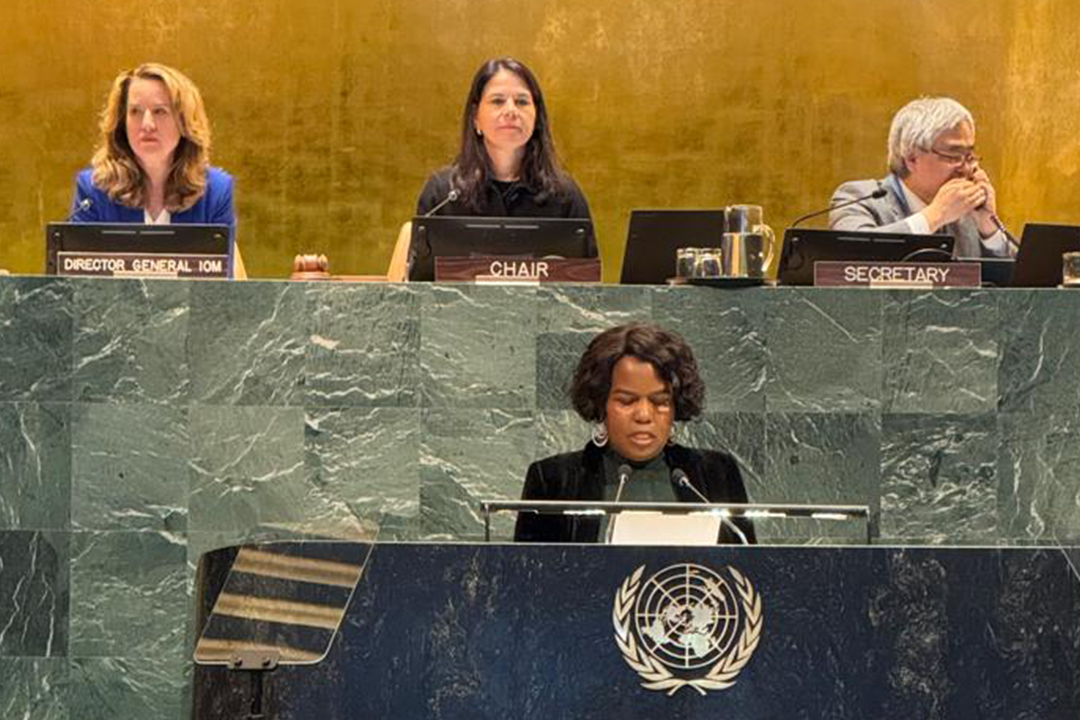
Speaking during the Second International Migration Review Forum (IMRF) held in New York, the Minister for Home Affairs, Princess Lindiwe, said migration remains a powerful driver for development despite growing global pressures caused by inequality, unemployment and climate change.
The Minister highlighted that under the leadership of His Majesty King Mswati III, Eswatini continues to champion a human-centred migration governance system aimed at ensuring no one is left behind.
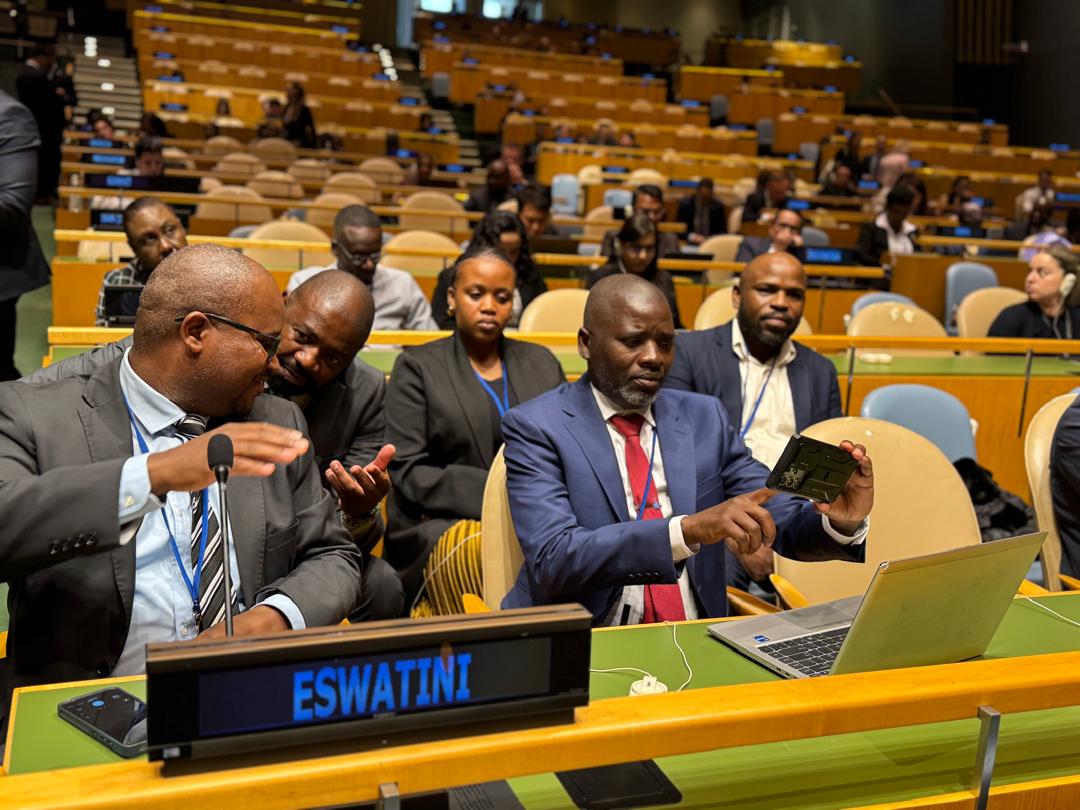
“Migration continues to play a significant role in development through the transfer of talents and remittances,” the Minister said while addressing delegates from across the world.

She noted that Eswatini has already integrated migration into its national development planning framework while strengthening protection and social inclusion for migrants. The country has also undertaken legislative reforms, including the development of the Immigration Bill of 2025.
The Minister further revealed that the country is enhancing collaboration between government, civil society and international partners through the Migration Management Task Force, while prioritizing safe and regular migration channels and improving protection for vulnerable migrants.
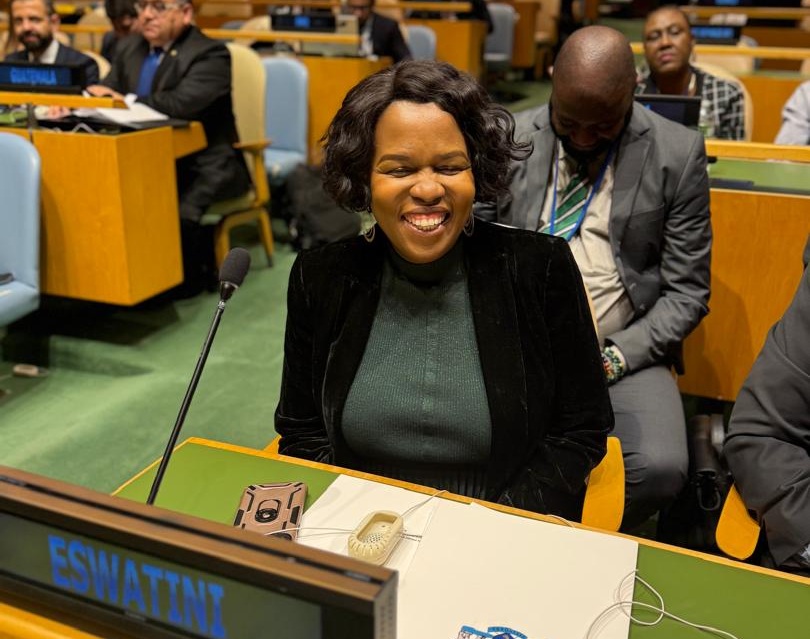
Addressing climate-related migration, Princess Lindiwe said climate-induced mobility continues to threaten rural livelihoods, especially in developing nations facing financial and resource constraints. She urged the international community to intensify collaboration, funding and partnerships to support affected countries.
As part of its future commitments, Eswatini pledged to implement the National Migration Policy, operationalize the National Migration Data Hub, strengthen engagement with the diaspora and address displacement caused by climate change.
The Minister concluded by emphasizing that migration governance is a shared global responsibility requiring unity and urgent action to unlock migration’s full potential for sustainable development.