


BY TANDZILE DLAMINI
MBABANE — Eswatini’s push toward a citizen centred digital government has come under scrutiny after a new ICT assessment revealed uneven readiness across ministries, disconnected systems, and capacity gaps that could slow national digital transformation.
The findings were presented at Mountain View Hotel on 21 May 2026 during a briefing on the Digital Landscape Assessment Report, which evaluates the implementation of the 2015 to 2019 e Government Operational Framework across 21 government ministries.
The report provides the first overall picture of government’s digital status, showing progress in some institutions while others continue to rely heavily on manual processes. This imbalance, it notes, affects service delivery, data sharing, and the speed of decision making across government.
It further highlights weak system integration between ministries, limited ability of platforms to work together, and the absence of common digital standards, which continue to split how government information is managed and shared.

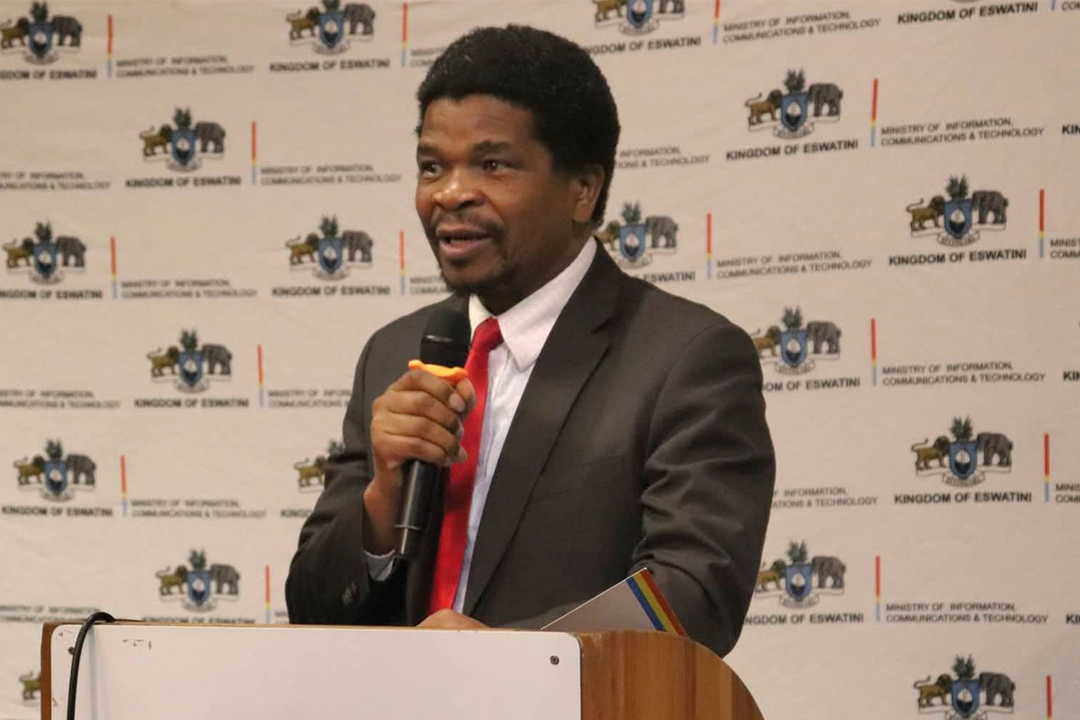
Principal Secretary Prince Mshishimba Dlamini said the assessment is intended to guide reform and not remain a static document. “A Digital Landscape Assessment is not the destination. It is a map,” he said, stressing that its impact depends on how it is used to drive change across institutions. He said the findings point to key challenges, including gaps in ICT infrastructure, uneven digital skills among staff, and differing levels of digital maturity across ministries.
While some ministries have advanced in digitising services and internal systems, others remain at early stages, creating inconsistencies in how citizens experience public services. The Ministry of ICT said this fragmentation has made it difficult to build a fully connected government system capable of seamless service delivery.
According to the ministry, the assessment is not being treated as a setback, but as a diagnostic tool to guide the next phase of reform and investment decisions.
Dlamini said the exercise was designed to generate evidence that can support practical transformation across government. “We commissioned this exercise not to produce a document that sits on a shelf, but to give us the intelligence to build something lasting,” he said.
He added that the report introduces a framework for accountability, allowing ministries to track their progress and identify areas requiring urgent intervention. He also urged Principal Secretaries to use the findings to strengthen internal planning, improve coordination, and secure the necessary resources to drive digital reforms within their institutions.
The Ministry of ICT said the assessment will directly inform the development of a new national e Government strategy, which will define priorities, set measurable targets, and outline accountability mechanisms for implementation.
The strategy will align with Eswatini’s broader digitalisation vision of “Government in Your Hand”, which aims to allow citizens to access public services easily from any location, including rural areas, through digital platforms.
Dlamini said achieving this vision requires more than technology investment, stressing that leadership commitment is critical. “Digitalization of government services is a leadership matter,” he said, adding that success depends on senior officials actively driving reform within their ministries.
He said differences in digital maturity should be seen as an opportunity to target support and accelerate progress where it is most needed.
The ministry confirmed that the report will now be translated into an implementation roadmap to guide the rollout of the new strategy. As Eswatini advances its digital transformation agenda, the assessment highlights both progress made and the structural gaps that still need to be addressed to achieve a fully connected and efficient public service.