



- Three tools to examine gender impact, policy implementation and budgeting
- Stakeholders challenged to turn evidence into better decisions
- The Gambia shares practical approach with Eswatini and Smart Africa
BY NELIWE NGUBANE
MBABANE – Digital transformation may open doors to education, employment, financial services and government programmes, but according to The Gambia’s Unit Manager for Data, Security Infrastructure and Governance, the real test is whether those opportunities are reaching women and other groups equally.
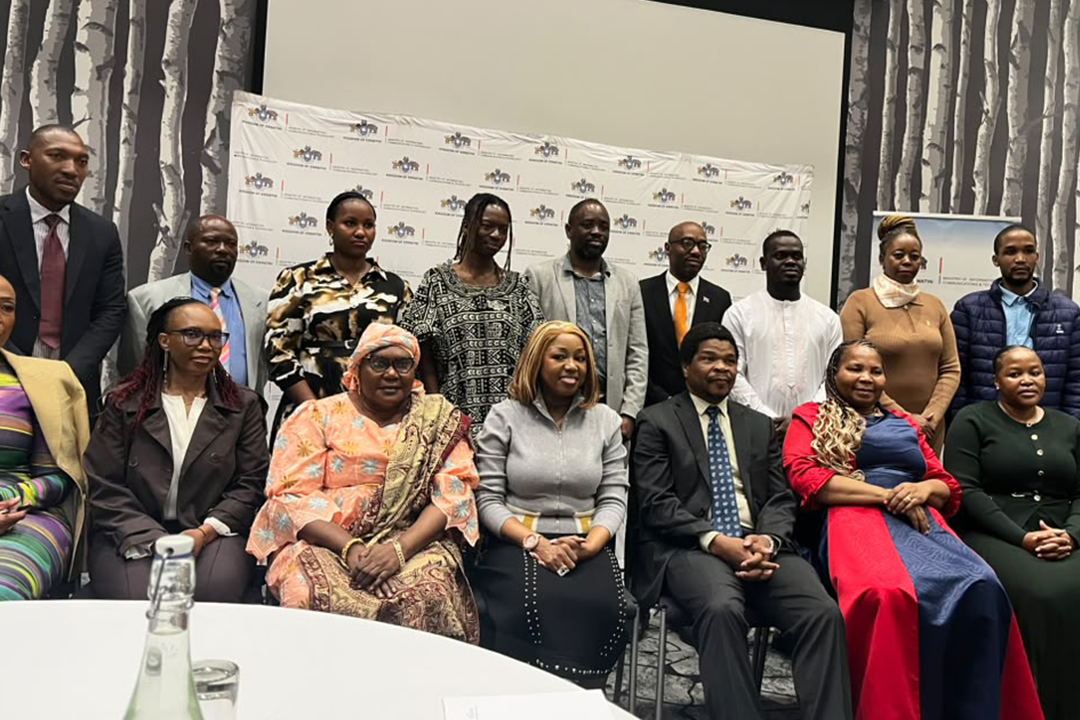
Speaking virtually during the Joint MICT–Smart Africa Co-Creation Workshop on Wednesday at Hilton Garden Inn, Mbabane, the Gambian official, Aretha Mare, said stakeholders must move beyond producing policies and focus on tools that can measure whether digital programmes are actually making a difference.
Her remarks introduced a practical, evidence-based approach being developed through the gender impact assessment initiative involving Eswatini, The Gambia and Smart Africa.
Mare said the initiative is developing three connected instruments: a Gender Impact Assessment Tool to examine the likely effects of policies and programmes; a Gender Policy Review Tool to assess implementation and results; and a Gender Budgeting Tool to examine institutional systems, capacity, budgeting and accountability.

The tools are designed to help answer a critical question: who is benefiting from digital transformation, who is being left behind and what can institutions do differently?
Mare said the assessment will focus specifically on the gender access gap, examining four key areas, policies and programmes, the social and gender context, institutional capacity, and the practical experiences of users.
This approach, she explained, will allow stakeholders to identify existing gaps, determine what information may be missing and assess whether institutions have the capacity to respond effectively.
She said lessons from countries including Ethiopia and Zambia can contribute to a stronger evidence-based approach, while the tools will still be adapted to the specific realities of each participating country.
The workshop, she stressed, is not intended to be a consultation where stakeholders simply listen and leave.
Instead, participants are being encouraged to challenge the proposed tools and identify what is unclear, what can realistically be measured and what information would genuinely support policy and management decisions.
Following the co-creation workshop, teams will consolidate stakeholder contributions and develop the first draft versions of the three tools.
The instruments will then be tested against selected digital policies, programmes or institutions in real-world settings.
Mare said the testing phase will examine how different groups experience the tools, document their feedback and determine whether the findings can effectively support decision-making.
The two pilot countries will subsequently participate in a joint scoping review, using the evidence gathered during testing to refine and validate the tools.
Practical user guidance and recommendations for continued national use will then be developed.
Mare said lessons from the pilots will ultimately be captured to guide responsible adoption of the tools across other Smart Africa member states.
For her, however, the success of the initiative will not be determined by how impressive the final documents look.
“Success will not be measured by how polished the document is,” she said, stressing that the real measure should be whether the tools improve decisions, strengthen accountability and make digital transformation more inclusive.
Her message from The Gambia added a practical dimension to the workshop: gender inclusion must be measurable, evidence-based and connected to the decisions that shape people’s digital lives.
#GenderEquality #DigitalTransformation #SmartAfrica #Eswatini #TheGambia #GenderImpactAssessment #WomenInTech #DigitalInclusion #ICT #EPN