



BY MBONO MDLULI
MBABANE – Eswatini has been recognised as a global role model in HPV vaccination after becoming the first country known to expand its Human Papillomavirus (HPV) vaccination programme to individuals up to 20 years old.
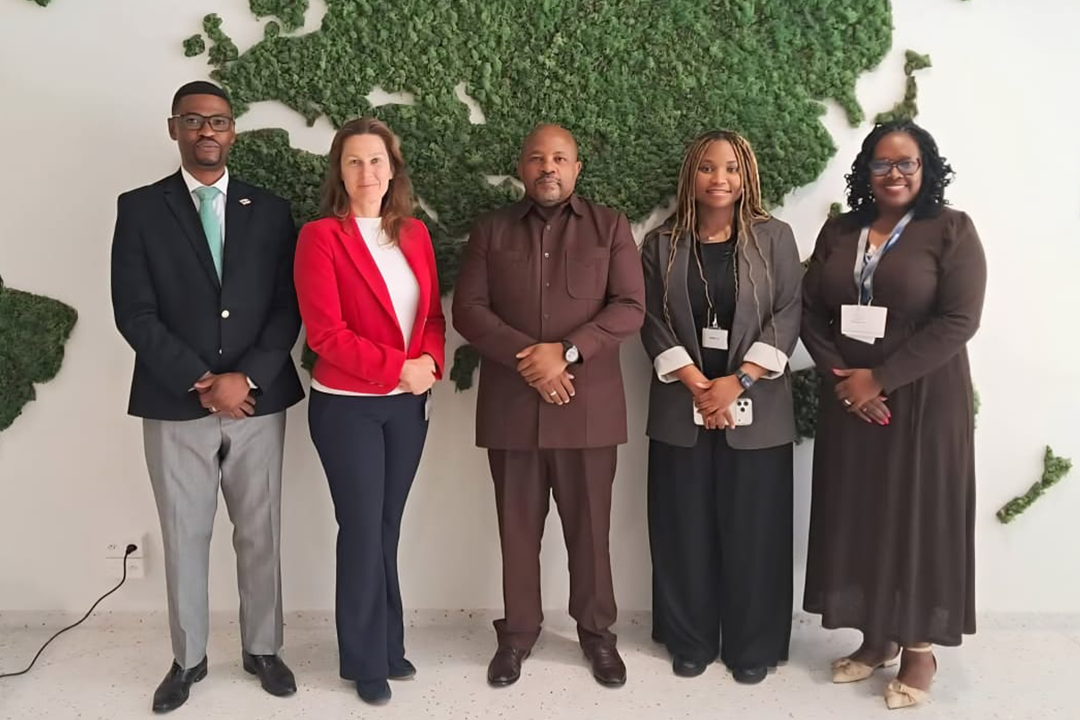
According to the Eswatini Ministry of Health, the praise came from Tito Rwamushaija, Head of the Middle Income Countries Country Engagement Unit at Gavi, the Vaccine Alliance, during a bilateral meeting with Minister of Health Mduduzi Matsebula on the sidelines of the 79th World Health Assembly (WHA79).
“On your expansion for HPV, I think you are a role model, not just for Africa but for other countries,” Rwamushaija said.
“You are the first country that we know that has expanded to age 20 years. Most of the countries we have worked with, it’s up to 15. This is something that you could showcase so other countries could learn from you.”
Eswatini’s HPV Programme Gains International Recognition
The meeting between Gavi and the Ministry of Health focused on strengthening the partnership around routine immunisation programmes and exploring additional support opportunities available to Eswatini.
Gavi officials reportedly discussed possible collaboration in areas such as:
- vaccine procurement optimisation,
- immunisation programme strengthening,
- and long-term vaccine sustainability.
The recognition places Eswatini among the leading countries globally in efforts to combat HPV-related diseases, including cervical cancer.
Human Papillomavirus is one of the leading causes of cervical cancer, which remains a major public health challenge affecting women worldwide.
Government Pushes to Expand Vaccine Coverage
Minister Matsebula thanked Gavi for its continued support towards strengthening Eswatini’s routine immunisation system.
He said vaccination programmes remain critical in protecting children and safeguarding the country’s future public health outcomes.
“The future of the country is protected as children are shielded from some vaccine-preventable diseases,” the minister said.
Matsebula further revealed that government is now pushing towards introducing HPV vaccination for boys after successfully rolling out the programme for girls.
Public health experts say vaccinating boys can help reduce the spread of HPV infections and strengthen broader community protection.
Vaccine Misinformation Remains a Concern
Despite the programme’s success, the minister acknowledged that myths and misinformation surrounding vaccines continue affecting uptake, particularly regarding HPV vaccines.
Matsebula called on Gavi to assist Eswatini in conducting a post-introduction survey aimed at gathering factual information to strengthen public confidence in vaccines.
“We request that perhaps you can assist in conducting a post-introduction survey to come up with factual information that will improve people’s confidence in HPV and other vaccines,” he said.
Globally, vaccine misinformation has become an increasing challenge for health authorities, especially following the COVID-19 pandemic.
Health experts warn that misinformation can significantly undermine immunisation efforts and increase the risk of preventable disease outbreaks.
HPV Vaccination Seen as Key Cancer Prevention Tool
The World Health Organisation considers HPV vaccination one of the most effective strategies for preventing cervical cancer.
Many countries primarily target girls between the ages of nine and 15 for vaccination before exposure to the virus.
Eswatini’s decision to extend eligibility up to 20 years old has therefore attracted international attention as a more aggressive public health intervention.
Health experts believe broader vaccination coverage could significantly reduce future cervical cancer cases and related deaths.
Gavi Partnership Continues
Gavi, the Vaccine Alliance, works with governments and global health organisations to improve vaccine access and immunisation coverage in lower and middle-income countries.
The organisation has played a major role globally in supporting vaccine financing, procurement and immunisation infrastructure development.
Eswatini’s ongoing collaboration with Gavi forms part of broader efforts to strengthen national healthcare systems and improve long-term disease prevention.