



- Tourism entity works to reduce dependence on Government funding
BY MBONO MDLULI
LOBAMBA – The Eswatini National Trust Commission (ENTC) has generated E12 million in revenue during 2025 as part of ongoing efforts to achieve financial self-reliance and reduce dependence on Government subventions.
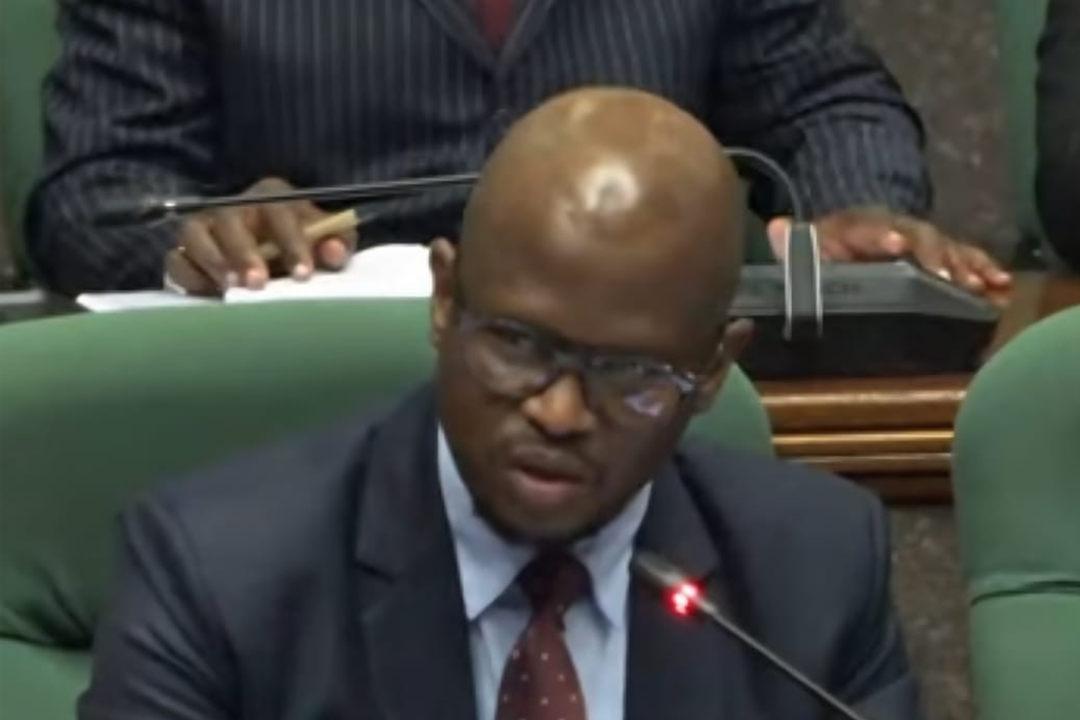
This was revealed by ENTC Chief Executive Officer Thulani Methula during the organisation’s appearance before the Public Accounts Committee (PAC) in the House of Assembly on Monday, 25 May 2026.
Methula was responding to concerns raised by PAC members regarding the organisation’s continued reliance on Government funding to support its operations, including the payment of employee salaries.
Among the legislators who raised concerns were Somntongo Member of Parliament Sandile Nxumalo, Khubuta MP Mzwandile Mamba and Zombodze Emuva MP Ntando Mkhonta.

The MPs questioned what measures ENTC was implementing to become financially sustainable and reduce its dependence on taxpayer support.
MPs call for self-sufficient parastatals
Members of the committee stressed the importance of parastatals becoming self-sufficient, arguing that Government-supported entities should strengthen revenue generation instead of depending heavily on public funds.
The legislators expressed concern that organisations such as ENTC continue using Government subventions to finance operational costs and salaries.
However, Methula defended the organisation’s approach, saying ENTC was carefully balancing its efforts towards financial independence with the need to preserve jobs.
He explained that reducing staff numbers simply to cut costs would worsen unemployment, which remains one of the country’s major economic challenges.
“We are making efforts to become self-reliant, but we also have to avoid contributing to unemployment by cutting jobs,” Methula told the committee.
Auditor General raises salary expenditure concerns
The discussion followed findings by Auditor General Timothy Matsebula, who reported that ENTC received E16.5 million in Government subvention during the 2023 financial year.
According to the report, the organisation spent E17.9 million on employee salaries during the same period.
In the previous financial year, ENTC reportedly received E17.2 million from Government while salary expenditure amounted to E18.4 million.
The figures raised concerns among PAC members, who questioned the long-term sustainability of the organisation’s financial model.
Committee members sought clarification on how ENTC intends to close the gap between Government support and internally generated revenue.
Marketing strategy begins showing positive results
Responding to the concerns, Methula said ENTC had intensified marketing efforts for establishments and facilities managed under the organisation.
He explained that some of the tourism and heritage establishments were beginning to show positive signs of improvement and increased revenue generation.
According to Methula, the E12 million generated during 2025 demonstrates that the organisation is gradually moving towards its goal of self-sustainability.
He further stated that previous operational challenges were partly caused by leadership gaps within the organisation.
“There was a period when ENTC operated without both a Chief Executive Officer and a Chief Financial Officer, and naturally there were operational difficulties,” he explained.
Cost-cutting measures continue despite challenges
Methula also informed the committee that ENTC had implemented cost-cutting measures and redirected income from other projects to support operations.
However, he admitted that some bottlenecks continued to affect the implementation of cost-reduction initiatives, making it necessary for the organisation to keep improving its revenue streams.
He added that while ENTC aims to operate more competitively as a business entity, there is also a need to ensure that tourism and heritage facilities remain accessible to the public.
The Public Accounts Committee is expected to continue examining the financial performance and sustainability of public entities as part of its oversight responsibilities.