


BY MBONGENI NDLELA
MBABANE – The Ministry of Health has assured the nation that there are currently no suspected or confirmed cases of Ebola Bundibugyo Virus Disease (EVD) in Eswatini, while outlining a series of proactive measures aimed at safeguarding public health amid reports of an outbreak in parts of Africa.
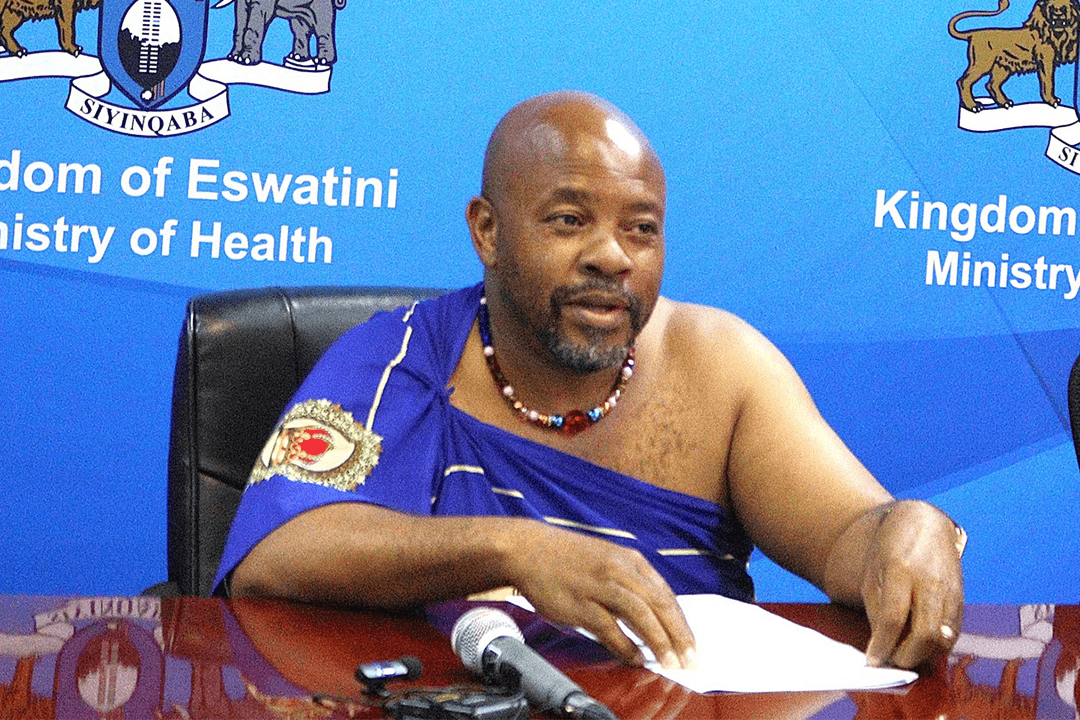
In a press statement issued on Tuesday, Minister of Health Mduduzi Matsebula said Government was closely monitoring the evolving Ebola situation through international public health surveillance systems and working with regional and global partners to ensure the Kingdom remains fully prepared to respond to any potential threat.
The Ministry shared that while Ebola cases have been reported internationally, the risk to the general population in Eswatini currently remains low. Authorities also noted that no travel or trade restrictions have been recommended based on the available scientific evidence.
“Despite the low risk, we remain vigilant and are continuously assessing developments through established surveillance networks to ensure the country is prepared to rapidly detect and respond to any public health threat,” the Minister stated.

Comprehensive Preparedness Measures Activated
The Ministry revealed that a range of preparedness interventions have already been activated through the Public Health Emergency Operations Centre (PHEOC), surveillance systems and national emergency coordination structures.
These measures include:
• Enhanced disease surveillance and event-based monitoring systems.
• Increased screening and monitoring mechanisms at points of entry where necessary.
• Strengthening of Integrated Disease Surveillance and Response (IDSR) systems.
• Activation of rapid information-sharing mechanisms through national emergency structures.
• Strengthening laboratory preparedness and specimen referral systems.
• Intensive training and sensitization of healthcare workers on Ebola detection, reporting, infection prevention and case management.
• Strengthening rapid response capacity through Public Health Emergency Rapid Response Teams.
• Activation of Risk Communication and Community Engagement (RCCE) initiatives.
Healthcare facilities across the country have also been instructed to maintain heightened vigilance, particularly when dealing with patients presenting severe unexplained illnesses coupled with relevant travel histories.
Public Urged to Remain Calm
Health authorities have appealed to the public to remain calm and avoid spreading unverified information that may cause unnecessary panic.
The Ministry stressed that community cooperation remains critical in preventing the spread of infectious diseases and encouraged emaSwati to obtain information only from official communication channels.
Members of the public have also been urged to report any unusual illnesses and seek medical attention immediately should symptoms associated with Ebola develop.
Key Prevention Measures
The Ministry advised citizens to continue practicing good hygiene by:
• Washing hands regularly with soap and clean water.
• Using alcohol-based hand sanitizers where appropriate.
• Maintaining proper respiratory and hand hygiene.
Members of the public were further advised to avoid direct contact with blood, bodily fluids or materials contaminated by sick individuals, as well as handling dead bodies without appropriate protection and guidance.
Individuals returning from affected countries, particularly the Democratic Republic of Congo and Uganda, have been urged to remain alert for symptoms and promptly notify health authorities should they begin feeling unwell.
Understanding Ebola Virus Disease
According to the Ministry, Ebola Virus Disease is a severe viral illness transmitted through direct contact with infected bodily fluids, contaminated materials or infected animals.
Early symptoms may include fever, severe headache, muscle pain and weakness, sore throat, fatigue and general body weakness.
As the disease progresses, symptoms can develop into vomiting and diarrhoea, abdominal pain, skin rash, internal and external bleeding, and multi-organ failure.
Health experts note that while Ebola is a serious disease, early detection, prompt isolation, supportive care and rapid public health intervention significantly improve patient outcomes and reduce the risk of wider transmission.
Government Reaffirms Commitment to Public Safety
The Ministry of Health reaffirmed its commitment to protecting the health and wellbeing of all emaSwati through continuous surveillance, preparedness and collaboration with local and international partners.
Authorities pledged to keep the nation informed as more information becomes available and encouraged the public to make use of the Ministry’s toll-free emergency health line, 977, for health-related inquiries or to report unusual illnesses.
The latest update underscores Eswatini’s proactive approach to public health preparedness and demonstrates the country’s determination to ensure that systems are in place to detect, contain and respond effectively to any emerging health threat while maintaining public confidence and safety.