



BY GCWALISILE MHLABANE
EZULWINI– Government has intensified efforts to strengthen Eswatini’s copyright and intellectual property systems in a move aimed at unlocking millions of Emalangeni in potential earnings for local artists, athletes, innovators and content creators.
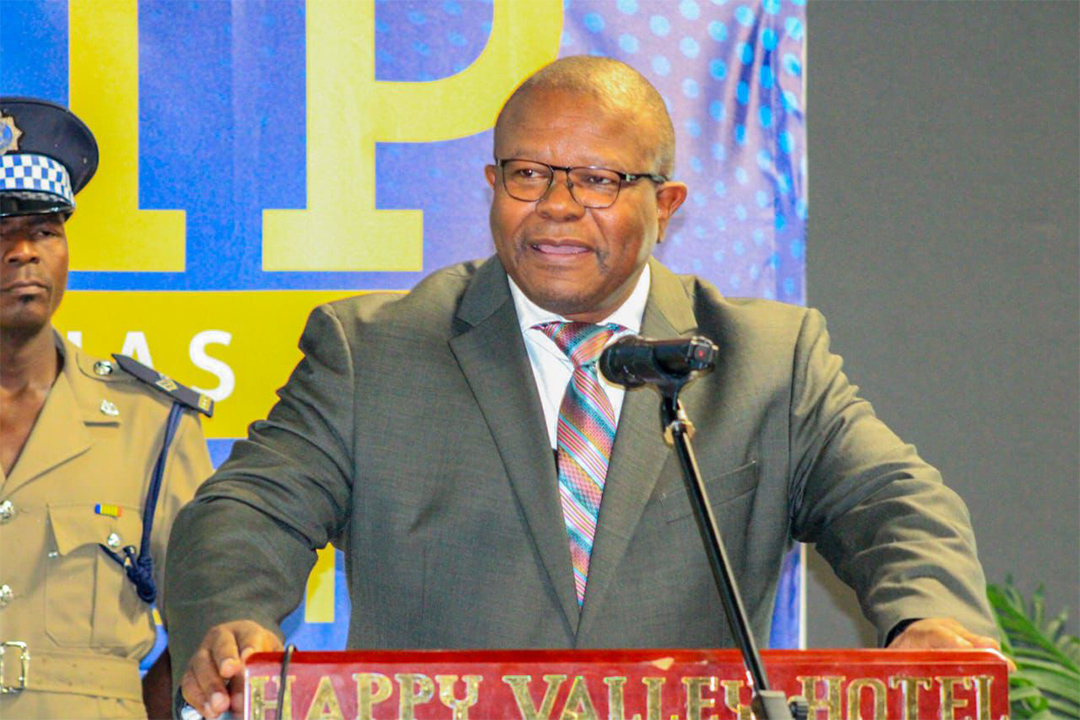
The commitment was reaffirmed during the World Intellectual Property (IP) Day 2026 celebrations held at Happy Valley Hotel in Ezulwini, where government officials, creatives, sports stakeholders and industry leaders gathered to explore how intellectual property can become a powerful engine for economic growth.
Speaking during the commemorations, Minister of Commerce, Industry and Trade, Mancoba Khumalo, said Eswatini is repositioning intellectual property as a key pillar of national development, recognising that creativity and innovation have become major contributors to modern economies across the world.
The event was held under the global theme “IP Has Got Game: Intellectual Property and Sports,” highlighting the growing role intellectual property plays not only in entertainment and creative industries but also in the rapidly expanding sports economy.

FROM TALENT TO BUSINESS
For years, many local artists and creators have struggled to earn sustainable incomes from their work despite their music, performances, designs and digital content being widely consumed.
Government believes stronger copyright protection can help change that reality.
Minister Khumalo said authorities are strengthening systems that ensure creative works are properly recognised, protected and commercialised, enabling creators to benefit from the value generated by their intellectual assets.
He noted that the creative economy should no longer be viewed as an informal sector but rather as a structured industry capable of creating jobs, attracting investment and generating significant revenue for the country.
POSITIVE SIGNS EMERGING
The Minister highlighted several encouraging developments already taking place within the country’s copyright environment.
These include improved monitoring of music played on national broadcasters, growing compliance by businesses with licensing requirements and increased participation in collective management organisations responsible for collecting and distributing royalties to rights holders.
The developments signal a growing understanding that creative works are not merely artistic expressions but valuable economic assets that deserve fair compensation when used commercially.
CHALLENGES STILL REMAIN
Despite the progress, officials acknowledged that challenges continue to limit the full growth of the sector.
One of the major concerns remains the limited consumption of local content by some broadcasters, which directly affects the amount of royalties earned by local artists and content creators.
SPORTS INDUSTRY SET TO BENEFIT
Officials noted that modern sport extends far beyond competition on the field. Athletes, clubs and sports organisations generate substantial income through branding, sponsorships, broadcasting rights, merchandise sales, digital content and commercial partnerships.
PROTECTING THE FUTURE CREATIVE ECONOMY
Creatives were urged to register with the Eswatini Copyright and Neighbouring Rights Society (ESWACOS) to ensure their works are protected and that they receive royalties generated through the use of their content.
Government maintains that strengthening intellectual property protection is not simply a legal exercise but an economic strategy that can help create jobs, attract investment and build a more resilient economy.


