



BY MFANUFIKILE KHATHWANE
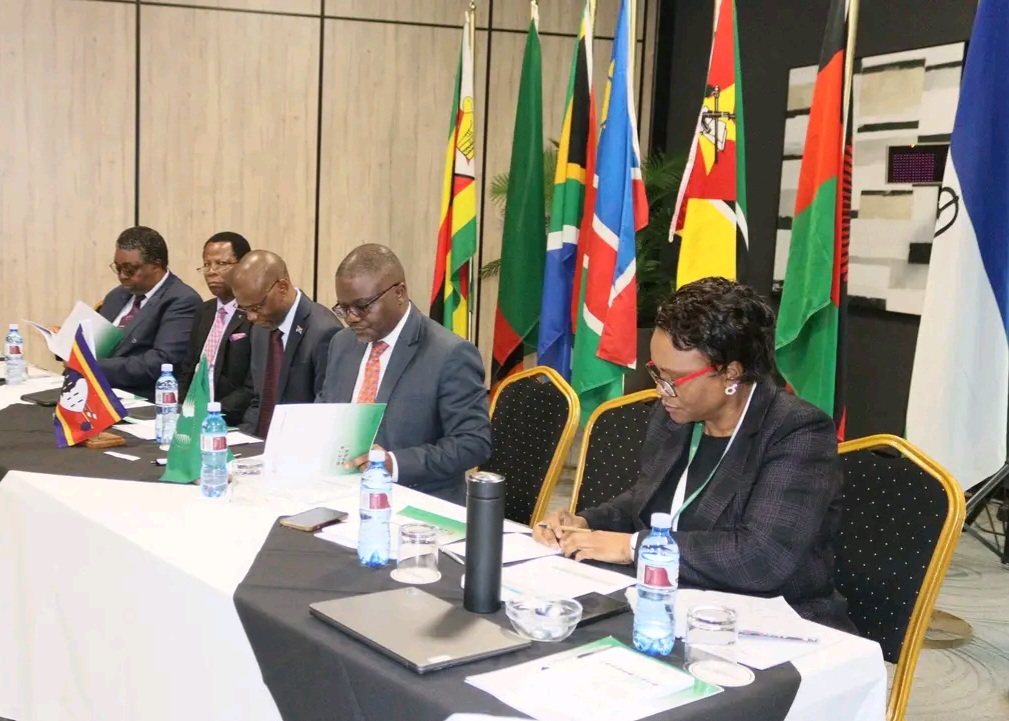
MBABANE – Eswatini has once again positioned itself at the centre of regional cooperation and development by hosting the 5th Annual Southern Africa National Public Health Institutes (NPHIs) Regional Meeting, a high-level gathering aimed at strengthening Africa’s capacity to prevent, detect and respond to public health threats.
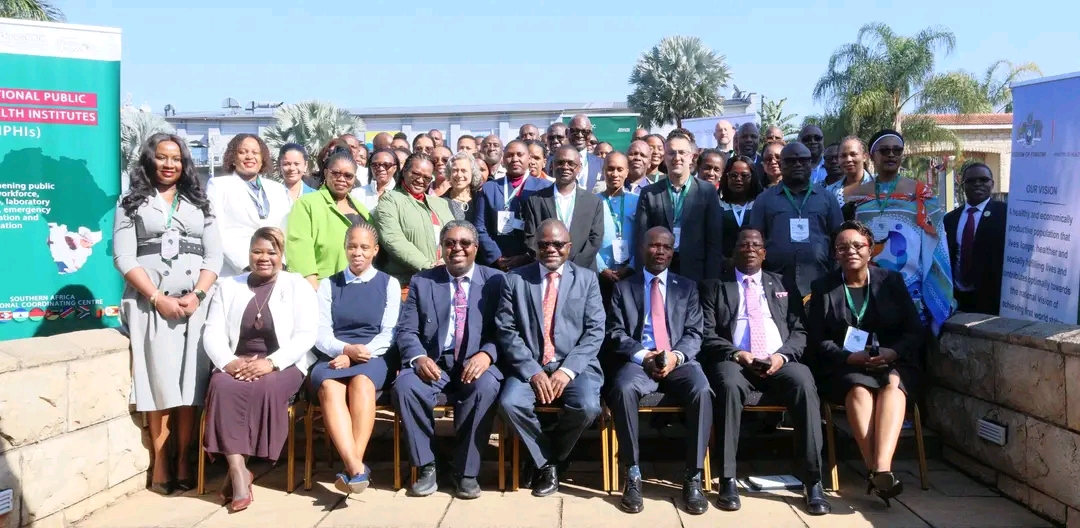
The three-day meeting, currently underway in the Kingdom, has attracted delegates from nine Southern African countries, including Angola, Botswana, Zimbabwe, South Africa, Zambia, Lesotho and host nation Eswatini. The event has also drawn public health leaders, policymakers, technical experts and development partners committed to advancing health security across the continent.
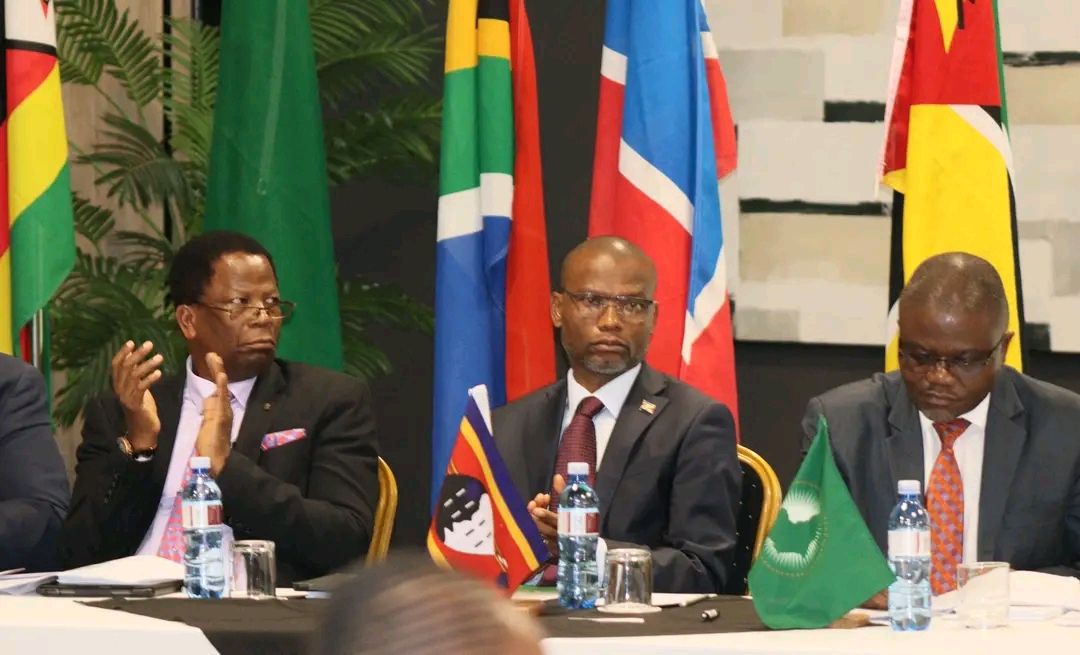
Held under the theme “National Public Health Institutes: The Cornerstone in Advancing Africa’s Health Security and Sovereignty,” the meeting is focusing on strategies to build resilient and self-reliant public health systems capable of protecting populations from future pandemics, disease outbreaks and emerging health threats.
The gathering comes at a time when countries across the world continue to strengthen their public health systems following the devastating impact of the COVID-19 pandemic, which exposed vulnerabilities in health infrastructure and highlighted the importance of preparedness and regional collaboration.

Delegates were warmly welcomed to the Kingdom through a vibrant cultural performance by the Lutsango group from the Ministry of Health. The colourful display of traditional song and dance showcased Eswatini’s rich cultural heritage while setting a celebratory tone for the important discussions ahead.
Officially opening the meeting, Minister of Housing and Urban Development Hon. Apollo Maphalala, representing the Minister of Health, emphasized the critical role that National Public Health Institutes play in safeguarding nations against health emergencies.
Maphalala noted that the COVID-19 pandemic served as a wake-up call for governments around the world, demonstrating the urgent need for strong institutions capable of responding swiftly and effectively to public health crises.
He said countries must continue investing in resilient health systems and strengthen institutions that can coordinate surveillance, disease prevention, emergency response and public health research.
Strong National Public Health Institutes are essential if countries are to effectively prevent, detect and respond to emerging public health threats, he said.
The Minister further welcomed delegates to Eswatini and encouraged greater regional collaboration, saying health challenges often transcend national borders and require coordinated responses.
Speaking on behalf of the Africa Centres for Disease Control and Prevention (Africa CDC), Dr Peter Kumpalume warned that the African continent continues to face increasing numbers of recurrent disease outbreaks and health emergencies.
He highlighted the importance of investing in Africa’s Health Security and Sovereignty Agenda, which seeks to ensure that African countries are better equipped to lead and manage their own health responses.
Dr Kumpalume stressed that while international partnerships remain important, African nations must build stronger domestic institutions and reduce dependence on external interventions during health crises.
He further called for increased investment in disease surveillance systems, laboratory networks, emergency preparedness programmes and health workforce development.
According to Africa CDC, strengthening National Public Health Institutes is one of the most effective ways to improve preparedness and ensure countries can rapidly respond to disease outbreaks before they escalate into national or regional emergencies.
The meeting also highlighted the growing importance of the One Health Approach, which recognises the close relationship between human health, animal health, plant health and the environment.
Delivering remarks on behalf of the One Health Forum Co-Chair, Principal Secretary in the Ministry of Agriculture Sidney Simelane stressed the need for a multisectoral approach when addressing modern public health challenges.
He explained that many emerging diseases originate from interactions between humans, animals and the environment, making collaboration across sectors increasingly important.
Simelane reaffirmed Government’s commitment to strengthening national health security and advancing plans to establish the Eswatini Centre for Disease Control and Prevention (Eswatini CDC).
The proposed institution is expected to play a key role in disease surveillance, research, outbreak response and coordination of public health programmes within the Kingdom.
Health experts attending the meeting noted that the establishment of strong national public health institutions would not only improve disease prevention and response but also enhance economic stability by reducing the social and financial disruptions caused by major health emergencies.
For Eswatini, hosting the regional meeting represents another significant milestone in its efforts to strengthen health systems and contribute meaningfully to continental health initiatives.
Over the course of the three-day meeting, delegates will exchange experiences, share best practices and discuss innovative approaches to strengthening public health institutions throughout Southern Africa.
The discussions are also expected to generate practical recommendations aimed at enhancing regional cooperation, improving emergency preparedness and accelerating progress towards sustainable and resilient health systems.
As disease outbreaks, climate-related health risks and emerging public health challenges continue to evolve, leaders attending the summit agree that stronger cooperation and investment in public health institutions will be essential in safeguarding the health and well-being of millions of Africans.
The meeting underscores a growing continental commitment to ensuring that Africa develops the capacity, expertise and institutions needed to protect its people while advancing health security, sovereignty and sustainable development for generations to come.


