


BY LINDELWA MYENI
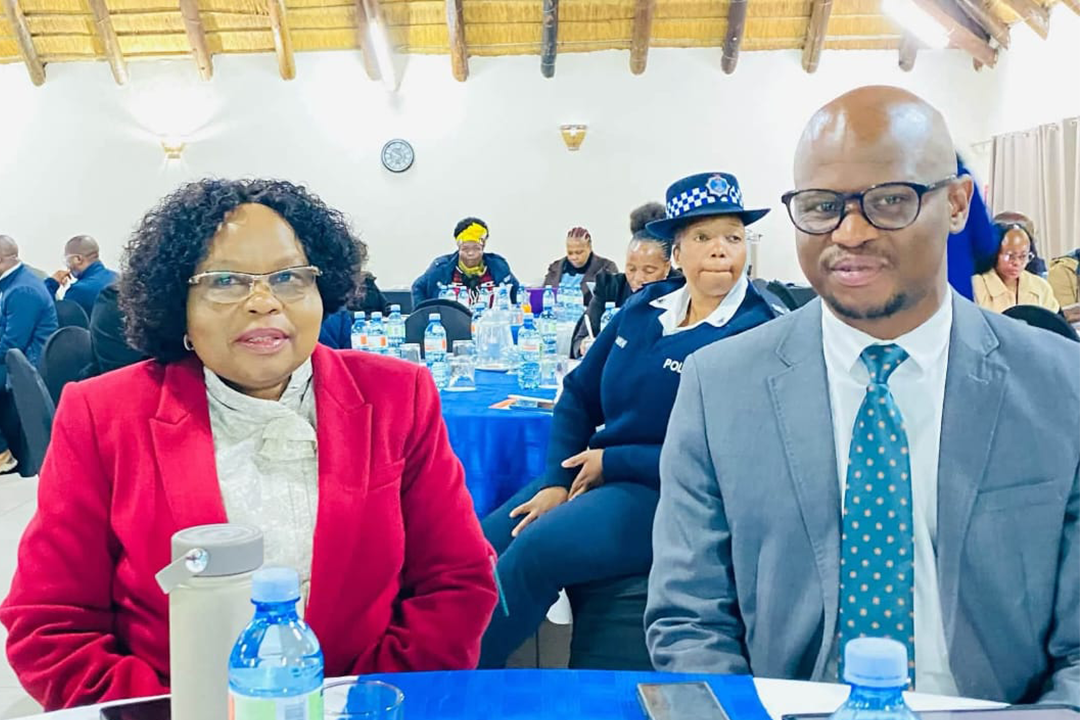
MBABANE – Eswatini is moving to strengthen the protection of natural resources that support food production, water security, tourism and livelihoods as stakeholders begin a two-day validation workshop for the National Biodiversity Strategy and Action Plan (NBSAP 3.0) at Sibane Sami Hotel in Ezulwini today.
The workshop, which runs from September 29 to 30, 2026, brings together Government institutions, traditional authorities, communities, women, youth, academia, civil society, the private sector and development partners to review the proposed strategy before its finalisation.
Opening the workshop today, Minister of Tourism and Environmental Affairs Jane Mkhonta-Simelane said the engagement represents an important step towards establishing a practical framework for biodiversity conservation and sustainable use in Eswatini.
“Biodiversity is fundamental to the wellbeing and development of our nation,” Mkhonta-Simelane said.

She said the country’s ecosystems support food production, water security, tourism, livelihoods, cultural values and climate resilience, making biodiversity conservation an important part of national development.
“Conserving these resources is therefore not only an environmental responsibility, but an important component of our broader national development agenda,” she said.
The NBSAP 3.0 will guide biodiversity conservation and sustainable use in Eswatini from 2026 to 2035, while translating the country’s commitments under the Convention on Biological Diversity and the Kunming–Montreal Global Biodiversity Framework into national priorities and actions.
The Minister said the strategy has been developed through a broad and inclusive process, with contributions from communities, traditional authorities, women, youth and other stakeholders helping to shape the document.
She encouraged stakeholders to examine whether the proposed targets and actions provide a realistic basis for implementation and to identify areas that require improvement before the document is finalised.
Mkhonta-Simelane said successful implementation would require coordination across sectors, integration of biodiversity into planning and budgeting, resource mobilisation, stronger institutional capacity, monitoring and reporting, as well as meaningful participation by communities and other stakeholders.
She described biodiversity conservation as a shared national responsibility and called on participants to ensure that the final strategy becomes a credible and practical framework capable of guiding coordinated action over the next decade.
The two-day validation workshop is expected to contribute to the finalisation of NBSAP 3.0 and its subsequent implementation.
#NBSAP30 #Biodiversity #FoodSecurity #WaterSecurity #Tourism #ClimateResilience #Eswatini #SustainableDevelopment