


BY GCWALISILE MHLABANE
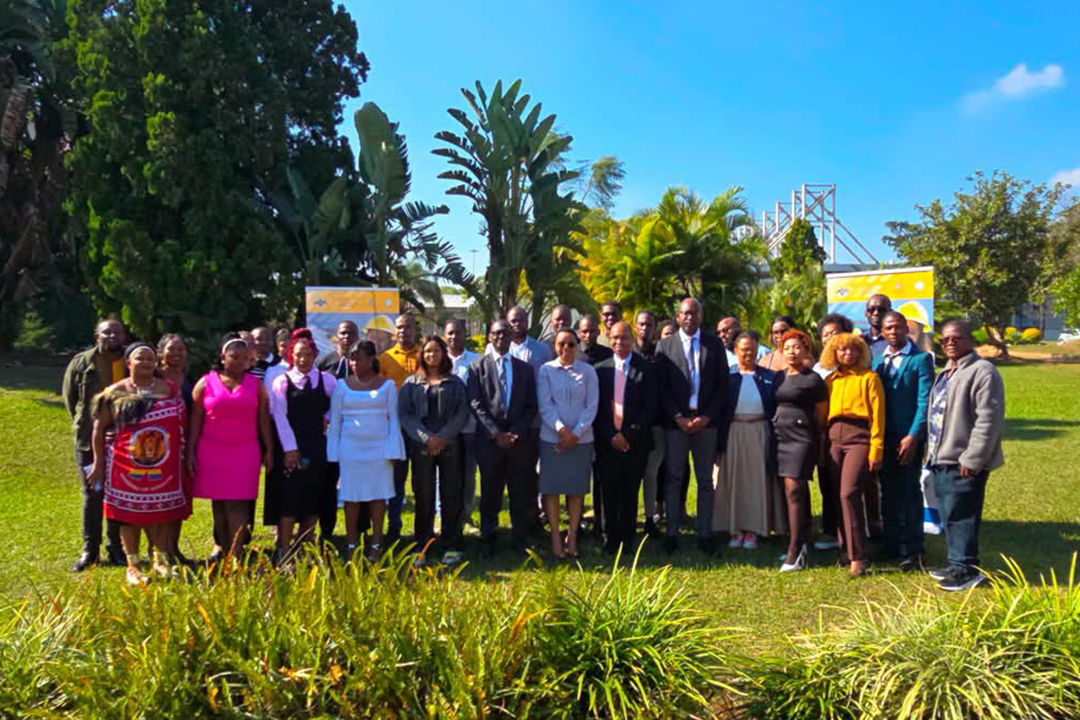
MBABANE – Eswatini’s clean energy transition continues to gain momentum following the graduation of 26 participants from the second cohort of the Capacity Building Programme in Community Minigrid Development, a flagship initiative aimed at strengthening local expertise in renewable energy systems and sustainable power solutions.
The programme is implemented through a strategic partnership between the Eswatini Energy Regulatory Authority (ESERA) and the University of Eswatini (UNESWA), under the Africa Minigrids Program (AMP), which is supporting efforts to expand access to reliable and affordable electricity in underserved communities.
The initiative forms part of the wider continental work of the Africa Minigrids Program, which focuses on strengthening technical capacity, promoting innovative financing models, and accelerating the deployment of sustainable off-grid energy systems across Africa.
Throughout the training, participants were equipped with practical skills in community minigrid development, renewable energy systems, project design and financing, as well as emerging applications of Artificial Intelligence in energy planning and optimisation. The programme continues to play a key role in addressing the green skills gap while empowering local professionals to lead Eswatini’s clean energy transition.

A key feature of Cohort 2 has been the introduction of an AI-enhanced finance module delivered through the University of Eswatini’s AI Academy. The module builds on the success of the first cohort and equips participants with advanced tools for financial modelling, investment readiness, grant applications, and data-driven energy planning.
The second cohort has also seen strong participation, with over 100 students enrolled, including 21 international participants from countries such as South Africa, Kenya, Nigeria, Namibia, Malawi, Tanzania, Ghana, the United States of America and Nepal. The programme combines online and in-person learning, with modules covering minigrid design parameters, load forecasting, and productive energy use management.
Speaking during the graduation ceremony, ESERA Chief Executive Officer Skhumbuzo Tsabedze commended the graduates for their achievement and encouraged them to apply their skills in advancing Eswatini’s sustainable energy agenda.
“This programme is about building a generation of energy professionals who will drive Eswatini’s clean energy future. We encourage you to take these skills forward and continue developing through ESERA’s Solar PV Installer Accreditation Programme,” said Tsabedze.
Dr Gcina Mavimbela, Director of the Centre for Sustainable Energy Research (CSER) at UNESWA, highlighted the importance of the programme in strengthening national capacity for the development and operation of community minigrids.
“This training equips participants with the technical skills needed to develop and manage community minigrids. It is a key step toward expanding access to clean, reliable and sustainable energy in underserved areas,” said Dr Mavimbela.
The programme is supported by the Global Environment Facility (GEF), led by the United Nations Development Programme (UNDP), and implemented in partnership with the Rocky Mountain Institute (RMI). In Eswatini, implementation is coordinated by the Ministry of Natural Resources and Energy through ESERA.
The graduation marks another important milestone in Eswatini’s clean energy journey, reinforcing national efforts to build a skilled workforce capable of driving sustainable development, improving energy access, and supporting long-term energy security.
Stakeholders congratulated the graduates, expressing confidence that their expertise will contribute meaningfully to strengthening the country’s renewable energy sector and accelerating its transition toward a more sustainable energy future.
#BecauseWeCare #RenewableEnergy #Minigrids #AfricaMinigrids