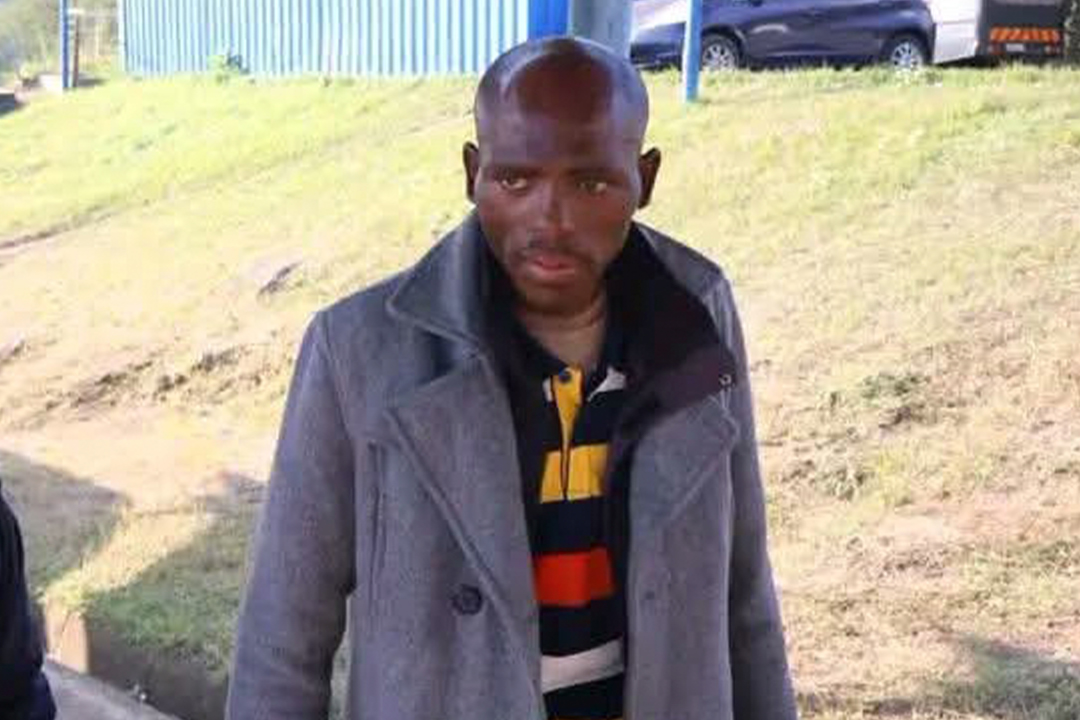



The shocking arrest of pastor Nkosingiphile Zwane, who is accused of Raping and killing four women, has left Eswatini reeling with grief, disbelief and anger.
For many emaSwati, particularly Christians, waking up to allegations that a man who presented himself as a servant of God could be linked to such horrific crimes is almost impossible to comprehend.
This is not merely another criminal case. It is a tragedy that strikes at the heart of society because it involves an institution that millions of people regard as sacred. Churches have always been viewed as places of refuge, prayer, healing and hope. To hear allegations that innocent women allegedly lost their lives at the hands of someone who claimed to preach God’s Word is heartbreaking beyond measure.
If the allegations before the courts are ultimately proved, then these crimes represent a profound betrayal of faith, trust and humanity. The victims were not simply statistics. They were daughters, sisters, mothers, relatives, friends and members of communities whose lives have been cut short in circumstances that have horrified the nation.
While the courts alone will determine criminal guilt, one thing is already clear: Eswatini must use this painful moment to reflect deeply on trust, accountability, safety and the protection of vulnerable people.

At the same time, this tragedy must never become an excuse to condemn Christianity itself.
Throughout history, individuals have committed terrible crimes while hiding behind respected professions and institutions. Some criminals have been teachers, doctors, police officers, politicians, businesspeople and even family members. Their actions never define every member of those professions. Likewise, one accused pastor does not define the Christian faith or the thousands of genuine pastors who dedicate their lives to serving God faithfully and caring for their congregations.
The Bible repeatedly warns believers that not everyone who claims to speak for God truly belongs to Him.
Matthew 7:15 says: ‘Beware of false prophets, who come to you in sheep’s clothing but inwardly are ravenous wolves.’
Jesus warned that false teachers would appear, making discernment essential.
2 Timothy 3:1-5 also teaches that in the last days difficult times would come, with people having a form of godliness but denying its power. The passage reminds believers not to judge faith by outward appearance alone.
Exodus 20:13 declares: ‘You shall not murder.’ Human life is sacred because every person is created in God’s image. Anyone who deliberately takes innocent life cannot hide behind a religious title.
This tragedy should encourage churches to strengthen accountability, safeguarding measures and ethical leadership. Congregants should understand that asking reasonable questions about leadership is responsible stewardship.
The swift response by police deserves praise. Following widespread concern on social media over the disappearance of the latest victim, investigators moved quickly, leading to the arrest of the suspect. Their professionalism demonstrates that no one is above the law.
The case also highlights the need for greater caution when forming relationships through Facebook and other social media platforms. While many genuine relationships begin online, criminals can exploit these spaces.
Women should verify identities through trusted relatives or friends, avoid meeting strangers alone in isolated places, inform family where they are going, share live locations when possible, avoid secret relationships and report suspicious behaviour immediately.
Families should encourage open communication, while churches should educate congregants about emotional manipulation, personal safety and responsible counselling. Faith should always be accompanied by wisdom.
Christians should not abandon their faith because of one individual’s alleged actions. Christianity is founded on Jesus Christ, not on any pastor. Human beings fail, but God’s truth remains unchanged.
Eswatini mourns with the affected families. If the allegations are proven in court, justice must be firm and impartial. This tragedy should become a turning point for stronger investigations, greater accountability, safer relationships and renewed commitment to protecting human life.