


BY SIFISO NHLABATSI
MBABANE – Access to land remains one of the biggest barriers preventing young emaSwati from participating meaningfully in agriculture.
The Ministry of Agriculture is now working on practical solutions to unlock land for youth-led enterprises.
Agriculture Minister Mandla Tshawuka told Parliament that land access was a critical enabler for youth participation in agriculture and would form a key part of the Eswatini Youth Empowerment Opportunity Project (EYEOP), which is designed to create employment and enterprise opportunities for young people.
Responding to questions from Members of Parliament, Tshawuka said the project would work with relevant institutions, traditional authorities and local stakeholders to identify practical land access arrangements, including the use of Government farms where appropriate, communal Eswatini Nation Land (ENL) and other existing mechanisms that would enable young people to establish sustainable agricultural businesses.
“The project will work with relevant institutions, traditional structures and local stakeholders to identify and support practical land access arrangements, including the use of Government farms where appropriate, communal Eswatini Nation Land and other existing land access mechanisms that can enable youth to establish and operate sustainable agricultural enterprises,” he said.
The minister said the EYEOP had deliberately been designed to ensure that the bulk of its funding directly benefited young people rather than administrative costs. He explained that the project’s implementation unit had been intentionally kept lean, with only essential personnel responsible for coordination, financial management, monitoring and technical oversight.
According to Tshawuka, this approach would allow more resources to be channelled towards youth-focused interventions such as skills development, enterprise support, productive assets, grants, mentoring and linkages to markets and finance.

The issue of access to Government farms featured prominently during the parliamentary debate, with several MPs calling for idle State-owned land to be allocated to unemployed graduates and aspiring young farmers.
Zombodze Emuva MP Ntando Mkhonta questioned how much of the funding allocated to youth projects was directly benefiting young people and suggested that idle Government farms should be utilised to support youth enterprises.
In response, Tshawuka reiterated that direct support to beneficiaries remained the project’s priority while confirming that land access would be integrated into the intervention model.
Ntontozi MP Peter Ngwenya also urged Government to unlock access to Government farms, particularly for graduates from the University of Eswatini’s Luyengo Campus, arguing that such an intervention could significantly reduce youth unemployment if accompanied by financial support.
The minister acknowledged the concern, saying the Ministry currently operated under administrative guidelines rather than a formal policy governing access to Government farms.
He said there was a need to develop a policy that would prevent both Government and privately owned agricultural land from remaining idle while prioritising young people interested in agricultural enterprises.
Tshawuka added that access to land alone would not be enough, stressing that financial support must accompany land allocation to ensure beneficiaries could successfully develop productive farms.
“We have witnessed individuals going through the process until getting a lease but failing to utilise the farm because they lacked the financial resources required to develop it,” he said.
Deputy Speaker Madala Mhlanga also called for Government to establish a formal policy that would unlock idle Government farms for productive use by emaSwati.
The minister agreed, saying the Ministry recognised the need for a comprehensive Land Use Policy that would discourage productive agricultural land from lying idle while encouraging its effective utilisation.
Meanwhile, Tshawuka assured Parliament that EYEOP and the Smallholder Agriculture Productivity Enhancement and Marketing Project (SAPEMP) would coordinate their activities to avoid duplication of interventions.
He explained that while EYEOP specifically targeted young people, SAPEMP focused on all smallholder farmers, including youth. Coordination mechanisms had already been established to ensure resources were efficiently utilised and that beneficiaries received complementary support.
The minister also acknowledged the growing impact of climate change on agriculture, saying while some insurance products already existed for farmers, most did not cover climate-related risks such as drought, heatwaves and storms.
He said Government intended engaging international insurance providers to explore products that could protect farmers against climate shocks.
#Eswatini #Agriculture #YouthEmpowerment #EYEOP #LandAccess #YouthInAgriculture #FoodSecurity #Agribusiness #GovernmentFarms #EconomicGrowth
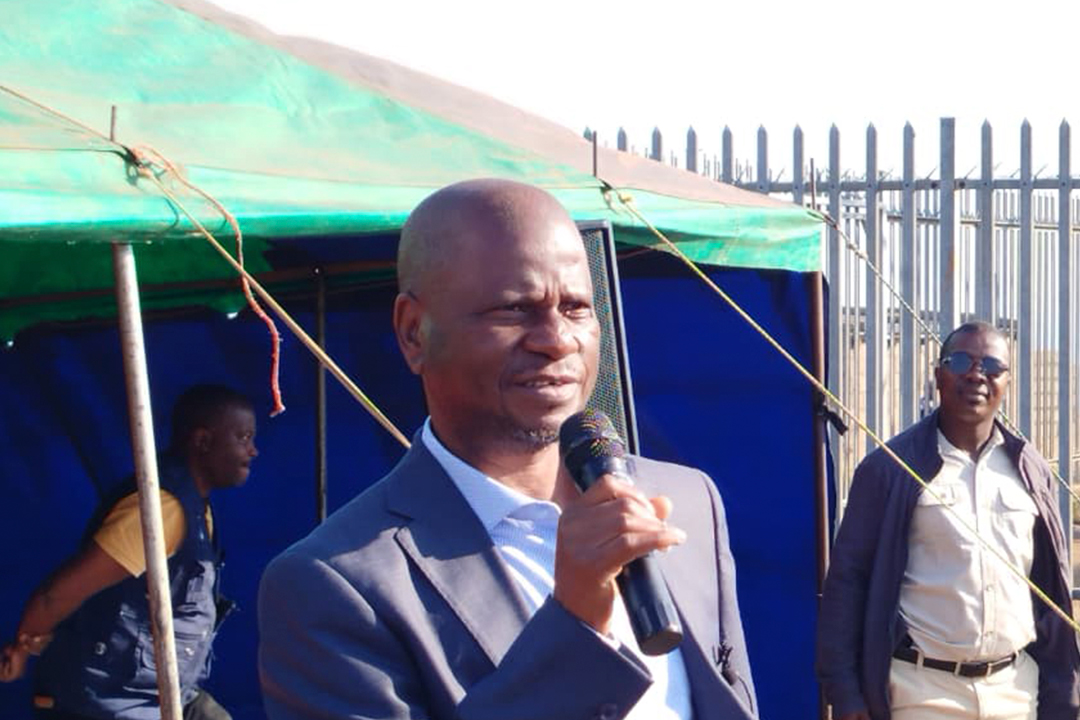
(Courtesy Pic)