


BY SIPHOSETHU MABUZA
MANZINI- For many young creatives, talent begins as something personal a love for music, a passion for photography, an eye for fashion or a desire to tell stories through film and digital content. What may start as a hobby can slowly grow into something bigger, an opportunity to earn an income, build a career and make an impact.
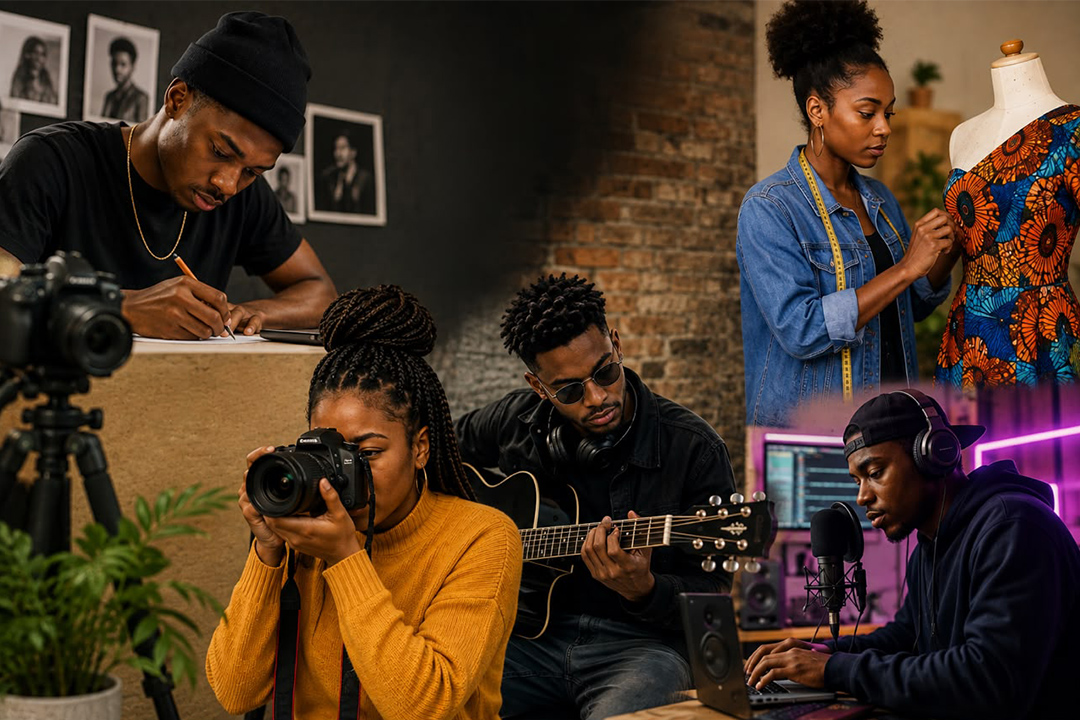
Across Eswatini, young people are using their creativity to create opportunities for themselves. Musicians are releasing music, photographers are capturing important moments, fashion designers are building brands, while content creators are using social media to share their ideas and connect with audiences.
However, turning talent into a sustainable career is not always easy. Behind every finished song, photograph, design or video are long hours of learning, practising, planning and sometimes working without immediate rewards.
Many young creatives face challenges such as limited access to equipment, funding and professional opportunities. Some also experience inconsistent income, making it difficult to depend entirely on creative work. Despite these challenges, many continue to create, improve their skills and look for new ways to grow.

Growing artist Sambulo Khumalo believes that self-belief plays an important role in helping young creatives continue pursuing their dreams, especially when progress is slow or opportunities are limited. He said the confidence he has in himself, together with the faith and encouragement he receives from people around him, motivates him to keep moving forward.
“I believe in myself and the talent that I have. The faith that people around me have in me also gives me the strength and motivation to keep going, even when the journey becomes difficult. Sometimes, believing in yourself is the first step towards making others believe in your dream too,” Khumalo said.
Talent may attract attention, but building a career requires more than ability. Young creatives also need to understand the business side of their work. Learning how to market services, communicate with clients, manage money and negotiate fair payment can help turn a passion into a sustainable source of income.
Social media has opened new doors for creatives. A musician can share music with listeners beyond Eswatini, while a photographer can use an online portfolio to attract clients. Designers and content creators can also promote their work directly to audiences without depending only on traditional platforms.
However, having an online presence requires consistency. Regularly sharing quality work, engaging with audiences and maintaining a professional image can help creatives build trust and increase their visibility.
Collaboration is another important part of growth. Working with other artists and professionals can create opportunities to learn, exchange ideas and reach new audiences. A musician may work with a producer, a photographer may partner with a fashion designer, while a content creator may collaborate with a local business.
For many creatives, the journey begins with small opportunities. A photographer may start by covering family events, a musician may perform at local gatherings, or a designer may begin by creating products for a small group of customers. These experiences can help build confidence, develop a portfolio and create valuable connections.
Support from the public also plays an important role. Attending local events, purchasing creative products, sharing local content and recognising creative work can help strengthen the industry.
As Eswatini’s creative sector continues to grow, young people are showing that creativity can be more than a hobby. With patience, discipline, knowledge, self-belief and support, talent can become an opportunity and opportunity can grow into a meaningful and sustainable career.
#YoungCreatives #EswatiniCreatives #CreativeCareers #SupportLocalTalent #CreativeEconomy #YouthEmpowerment #EswatiniEntertainment #Music #Photography #Fashion #ContentCreation #FromTalentToOpportunity
(Courtesy Pic)