



BY SIFISO NHLABATSI
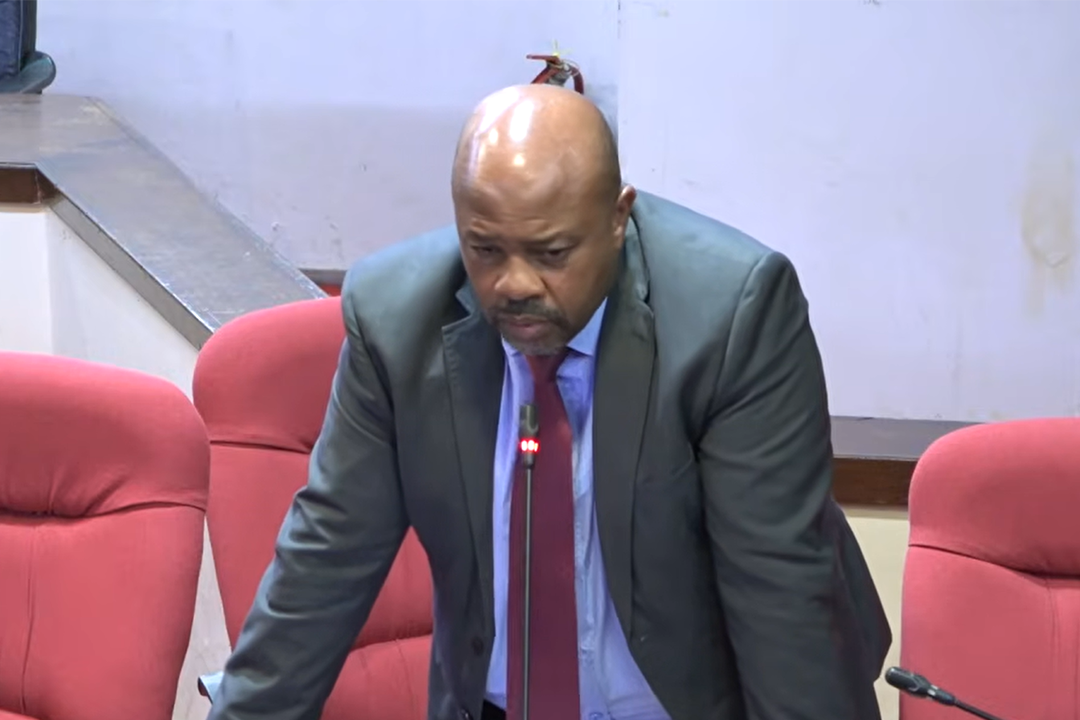
LOBAMBA – A compulsory DNA testing programme for all children born in Eswatini could cost Government more than E100 million.
This excludes the cost of establishing the equipment and infrastructure required to conduct the tests. This was disclosed by the Minister of Health Mduduzi Matsebula to Senate.
Matsebula said the financial implications of making DNA testing compulsory remained a major consideration for Government, despite acknowledging the potential benefits of such a programme.
Responding to questions from senators during debate on the Ministry of Health’s First Quarter Budget and Programme Performance Report for the 2026/27 financial year, the minister said projections from the 2023/24 financial year showed that more than 26,000 children were born in the country.
He said each DNA test was estimated to cost approximately E3 800, meaning that Government would require more than E100 million if it were to finance DNA testing for all births.

“It’s a good initiative to have a compulsory DNA test programme, but there is a need to find ways of how it can be financed,” Matsebula said.
The minister stressed that the estimated amount did not include the cost of purchasing the machinery, testing kits and other equipment needed to establish the capacity to conduct the tests locally.
He said Government therefore had to carefully consider whether the country was financially ready to take on such a programme.
Matsebula’s comments come amid growing debate around compulsory DNA testing, particularly in relation to establishing biological paternity and preventing disputes surrounding the identity of children. Senators stated that the paternity disputes are a contribution to gender based violence cases. The minister concurred with this notion.
While acknowledging the need for such a system, the minister said the financial implications could not be ignored.
The issue of teenage pregnancy also featured prominently during the Senate debate, with Senator Isaac Magagula questioning the ministry on measures being taken to address sexual and reproductive health challenges among young people.
Matsebula said the ministry was concerned about the continued occurrence of teenage pregnancies and was working with various stakeholders to sensitise communities on sexual and reproductive health.
He said one of the challenges was reaching remote communities, where teenage pregnancies were prevalent.
According to the minister, these areas can also experience challenges with diseases such as malaria, making access to health education and services particularly important.
Matsebula said the ministry could not address teenage pregnancy on its own and called for greater involvement by parents, particularly in monitoring children’s activities.
He warned that parents should not leave the responsibility of educating and supervising children entirely to teachers and healthcare workers.
The minister also identified social media as one of the factors contributing to challenges among young people, urging parents to take a more active role in guiding their children.
He said teenage pregnancy had serious consequences, including exposing young people to health and social risks.
Matsebula linked the issue to HIV prevention, saying new HIV infections were still being recorded among young people aged between 15 and 24 years, particularly girls.
He said this was an indication that there remained a significant problem requiring stronger interventions.
The minister said the Government was continuing efforts to capacitate communities with information on sexual and reproductive health, HIV prevention and the consequences of risky sexual behaviour.
Matsebula also weighed in on abortion and called on law-enforcement agencies to intervene where criminal offences were committed.
He said the Ministry of Health could provide medical services, but could not simultaneously perform the functions of law enforcement.
“A criminal offence is a criminal offence,” the minister said, stressing that every institution had to play its part.
He said those responsible for enforcing the law should make arrests where necessary.
Matsebula specifically stated that men who impregnate teenagers should be arrested.
The minister’s responses came as the Senate considered the ministry’s first-quarter performance amid continued pressure on the national health budget.
The Ministry of Health reported an approved recurrent budget of E3.02 billion for the 2026/27 financial year, with expenditure and commitments amounting to E550.3 million by June 30, representing 18.2 per cent budget execution.
The ministry also reported that it had an outstanding arrears balance of E69.7 million after liquidating E8.5 million during the quarter.
#Eswatini #DNAtesting #CompulsoryDNATesting #HealthMinistry #HealthBudget #HealthcareCosts #E100Million #HealthFinancing #Senate #TeenagePregnancy #HIVPrevention #SexualReproductiveHealth #EswatiniNews #EswatiniPositiveNews #EPN


